3 day workout plan for fat loss
3 Day Workout Plan for Fat Loss: A Practical Weekly Routine
A sustainable 3 day workout plan for fat loss combines full-body strength training, manageable cardio, daily movement, and a realistic calorie deficit. Here is how to structure your week and progress without relying on extreme workouts.
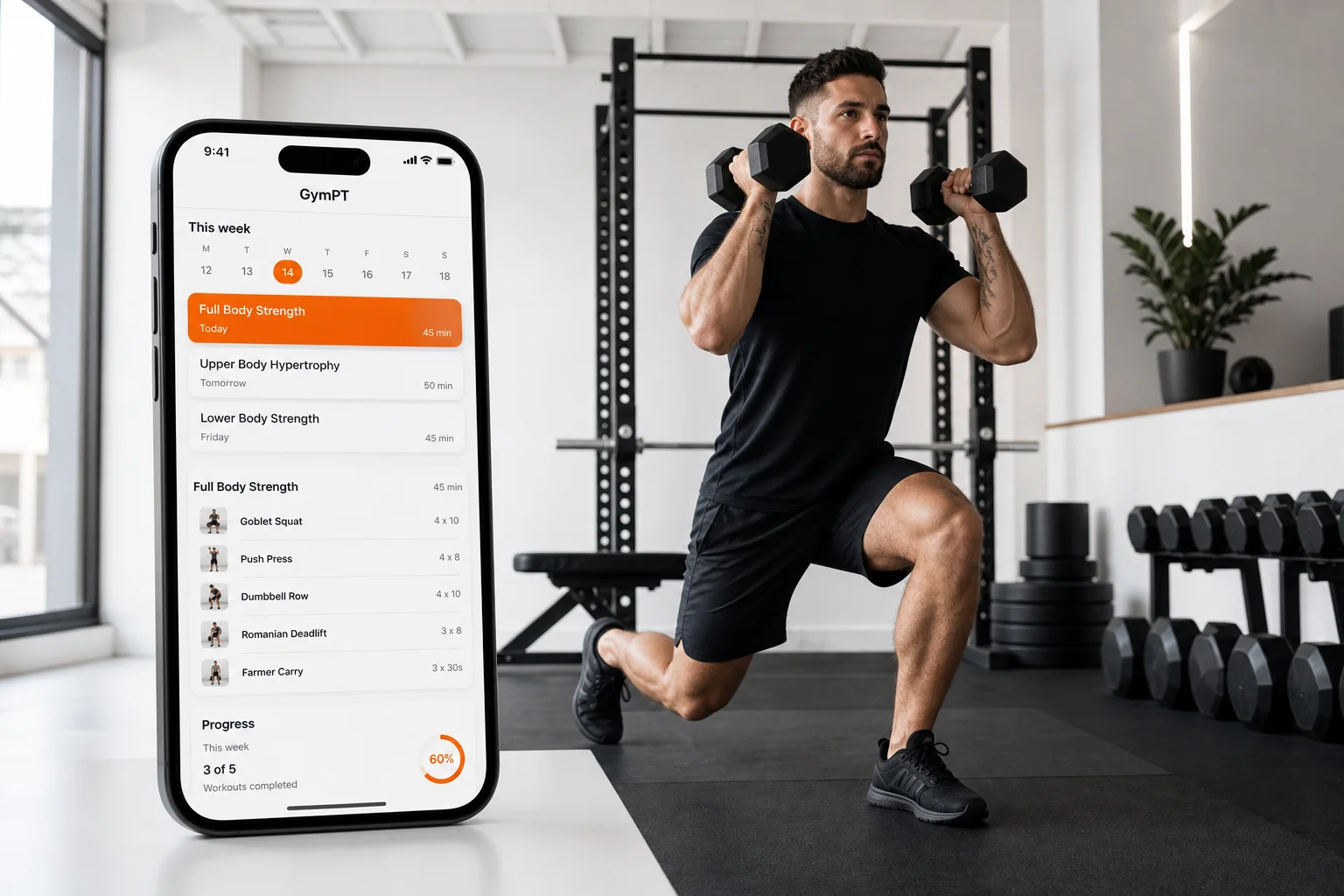
A 3 day workout plan for fat loss can be an effective starting point when you want structure without training every day. The goal is not to find a “fat-burning” workout that guarantees rapid results. It is to build a repeatable week that helps you use energy, maintain muscle, improve fitness, and support a sustainable calorie deficit.
This plan uses three full-body strength sessions, low-impact cardio or walking on selected days, and simple progression rules. Your results will depend on your overall calorie balance, food choices, sleep, daily activity, and consistency—not just the exercises you complete in the gym.
How a 3 day workout plan supports fat loss
Fat loss generally requires using more energy than you consume over time. Training can contribute to that energy balance, but exercise alone does not guarantee weight loss. A practical approach combines resistance training, aerobic activity, regular movement, and an eating pattern that creates a moderate deficit without making your routine impossible to maintain.
Three weekly strength sessions are useful because they train the major muscle groups regularly while leaving room for recovery. Full-body workouts also make sense when you have only three training days: each session can include a squat or lunge, a push, a pull, a hip-focused movement, and core work.
For general health, adults are commonly advised to work toward at least 150 minutes of moderate-intensity aerobic activity each week and muscle-strengthening activity on at least two days. You do not need to complete all of that in the gym. Brisk walking, cycling, incline treadmill work, and active transportation can all contribute.
The weekly schedule
- Monday: Full-body strength workout A
- Tuesday: Brisk walk or easy cardio for 25–40 minutes
- Wednesday: Full-body strength workout B
- Thursday: Light movement, mobility, or an optional walk
- Friday: Full-body strength workout C
- Saturday: Longer easy walk or recreational activity
- Sunday: Rest or gentle movement
If three consecutive training days are the only option, reduce the number of sets slightly and keep at least one day easy afterward. The best schedule is the one that fits your work, sleep, equipment, and recovery.
3 day workout plan for fat loss
Before each session, complete five to eight minutes of easy cardio followed by a few dynamic movements for the joints you will use. Start with a weight that allows controlled technique and leaves approximately two or three good repetitions in reserve.
Day 1: Squat, push, and pull
- Goblet squat or leg press: 3 sets of 8–12 repetitions
- Dumbbell bench press or elevated push-up: 3 sets of 8–12 repetitions
- Seated cable row or one-arm dumbbell row: 3 sets of 8–12 repetitions
- Romanian deadlift: 2–3 sets of 8–12 repetitions
- Dead bug: 2–3 sets of 8–12 repetitions per side
Rest for about 60–120 seconds between sets. Move slowly enough to control the lowering phase, especially on the squat, press, and Romanian deadlift.
Day 2: Hinge, vertical push, and single-leg work
- Deadlift variation or kettlebell deadlift: 3 sets of 6–10 repetitions
- Split squat or reverse lunge: 3 sets of 8–10 repetitions per leg
- Overhead dumbbell press: 3 sets of 8–12 repetitions
- Lat pulldown or assisted pull-up: 3 sets of 8–12 repetitions
- Side plank: 2–3 sets of 20–40 seconds per side
Use a lighter load if balance or technique limits your split squats. You can hold onto a rack for support while building confidence.
Day 3: Full-body volume and conditioning
- Step-up or front-foot elevated split squat: 3 sets of 8–12 repetitions per leg
- Incline dumbbell press or push-up: 3 sets of 8–15 repetitions
- Chest-supported row or resistance-band row: 3 sets of 8–15 repetitions
- Hip thrust or glute bridge: 3 sets of 10–15 repetitions
- Farmer carry: 3 rounds of 30–45 seconds
Finish with 10–20 minutes of easy-to-moderate cardio if you have the time and recover well. Keep the effort controlled rather than turning every session into an all-out circuit.
How to add cardio without making recovery harder
Cardio for fat loss does not need to mean daily high-intensity intervals. For many people, brisk walking is easier to recover from and easier to repeat. Begin with two or three sessions of 25–40 minutes per week, then gradually add time if your energy, sleep, and performance remain steady.
- Easy cardio: You can speak in full sentences, but your breathing is faster than normal.
- Moderate cardio: You can speak in short sentences, but maintaining a conversation takes more effort.
- Intervals: Use short harder efforts sparingly, such as six rounds of 30 seconds faster followed by 90 seconds easy.
If you are new to exercise, choose walking, cycling, or a cross-trainer before adding intervals. More intensity is not automatically better if it causes soreness, fatigue, or missed workouts.
How to make the plan work with calorie balance
Training creates an opportunity to improve strength and fitness, but food intake still matters for fat loss. A moderate calorie deficit is usually more practical than trying to compensate for an inconsistent diet with exhausting workouts.
- Build meals around protein-rich foods, vegetables or fruit, and a source of high-fiber carbohydrates.
- Choose portions that support your goal while still giving you enough energy to train.
- Be mindful of liquid calories, frequent snacks, and weekend eating that can erase a weekday deficit.
- Keep enjoyable foods in your routine so the plan does not depend on perfect restriction.
- Track food for a short period if you need to understand your current habits, but do not assume every calorie estimate is exact.
There is no universal calorie target that works for everyone. Your body size, activity level, food preferences, training history, and health circumstances all matter. If you use a calorie target, adjust it based on several weeks of trends rather than one day of scale data.
How to progress each week
Progress does not have to mean adding weight every session. Use a simple double-progression method:
- Choose a repetition range, such as 8–12.
- Keep the same weight until you can complete the top end of the range with controlled form.
- Increase the load slightly, then return to the lower end of the range.
- If your technique breaks down, keep the weight the same or reduce it.
You can also progress by adding one repetition, improving range of motion, shortening rest slightly, or completing a walk more consistently. During a calorie deficit, maintaining strength is already a useful result. Do not judge the plan only by how much weight you can add.
What to track besides body weight
Scale weight can fluctuate because of hydration, sodium, food volume, stress, and menstrual-cycle changes. Review several measures together:
- Weekly average body weight rather than a single weigh-in
- Waist or clothing measurements taken under similar conditions
- Repetitions and loads for key exercises
- Daily steps or total walking time
- Sleep, energy, hunger, and recovery
- How consistently you completed the planned sessions
Take progress photos or measurements only if they feel useful and comfortable. The purpose of tracking is to guide decisions, not to create anxiety or demand a particular appearance.
Common mistakes to avoid
Doing too much too soon
A demanding first week can produce soreness and make the second week harder. Start with manageable loads and fewer sets if necessary. Build capacity over time.
Using exercise to “earn” food
Workout calorie estimates are often imprecise. Treat exercise as a way to improve health, fitness, and daily energy use—not as permission to eat back a specific number.
Changing the plan every week
Constant novelty makes it difficult to know whether you are progressing. Keep the main exercises for at least four to six weeks unless pain, equipment, or scheduling requires a change.
Ignoring daily movement
Three gym sessions are valuable, but they do not replace movement for the rest of the week. Short walks, standing breaks, stairs, and active errands can make your overall activity more consistent.
How GymPT can personalize this routine
A generic plan is a useful starting point, but your ideal routine depends on your goal, training level, available equipment, schedule, and recovery. GymPT can help turn those details into a more personalized week, suggest equipment-based exercise options, and keep your sessions organized as you train.
You can also use progress tracking and coach-style guidance to review whether you need more challenge, more recovery, or a simpler schedule. For a broader look at planning around a specific goal, read AI Workout Plan by Goal: Choose the Right Training Week for Your Results.
If you train at home, compare this routine with the 3 Day Home Workout Plan: Build Strength in Limited Space. For advice on measuring progress over time, see Workout App With Progress Tracking: What to Measure and When to Review It. If dumbbells are your main equipment, the AI Workout Planner With Dumbbells: Build a Smarter Home Strength Plan can help you adapt the exercise selection.
Final takeaway
The best 3 day workout plan for fat loss is one you can repeat for months. Train your full body three times per week, add manageable walking or cardio, create a realistic calorie deficit, and review your progress using more than the scale. Start conservatively, progress gradually, and adjust the routine to your actual life.
GymPT can help you build that routine around your goals, equipment, and schedule while making it easier to track what you do and decide what to change next.