AI fitness coach for weight loss
AI Fitness Coach for Weight Loss: Build a Routine You Can Sustain
An AI fitness coach for weight loss can help turn broad goals into realistic workouts, repeatable habits, and useful progress feedback. Here is how to use one without chasing unrealistic promises.
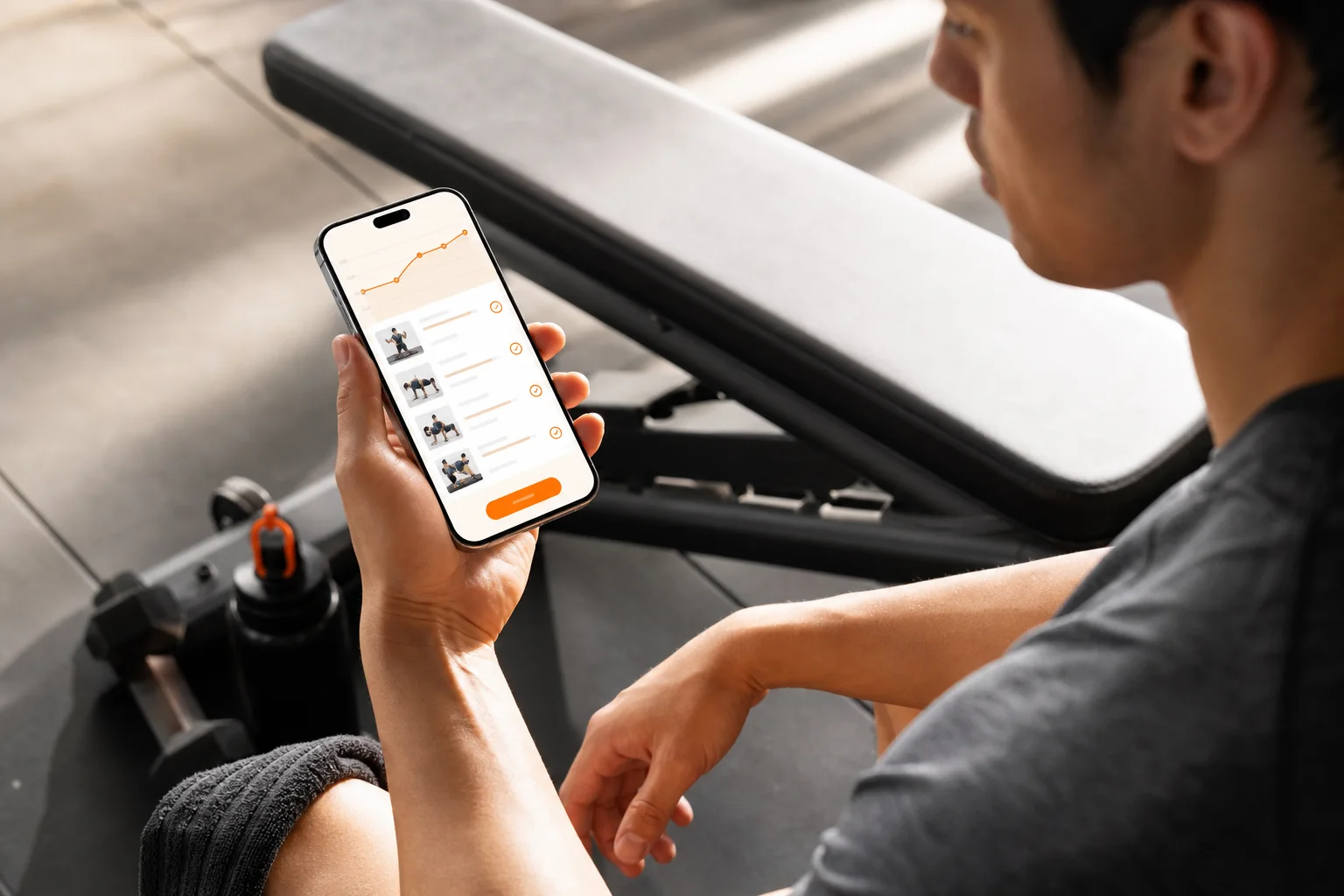
Searching for an AI fitness coach for weight loss usually means you want more than a library of random workouts. You want help deciding what to do, how often to train, how to adjust when life gets busy, and how to stay consistent long enough to see meaningful progress.
The most useful approach is not to treat AI as a shortcut or a promise of rapid transformation. Instead, use it as a practical coaching layer that helps connect three fundamentals: a manageable calorie balance, regular movement, and a training routine you can repeat.
What an AI fitness coach for weight loss should actually do
Weight loss generally requires a sustained calorie deficit: using slightly more energy than you consume over time. Exercise can contribute to that balance, but food intake, daily movement, sleep, stress, and individual circumstances also matter. A good coach should explain this clearly rather than suggesting that one workout can “burn off” any meal.
An AI fitness coach can make the process more practical by helping you:
- Translate your goal into weekly actions: for example, three strength sessions, two walks, and a realistic daily movement target.
- Match workouts to your equipment: a plan should reflect whether you train at home, use a full gym, or have only a few dumbbells.
- Adapt to your schedule: a 25-minute session may be more useful than an idealized 60-minute workout you regularly skip.
- Track what happened: completed workouts, exercise performance, effort, and consistency provide better feedback than motivation alone.
- Help you respond to setbacks: missing a session should lead to a reasonable adjustment, not an all-or-nothing restart.
This is where personalization matters. A generic plan may be technically sound but still fail if it does not fit your time, recovery, experience, or available equipment. GymPT is designed to help organize those inputs into a training routine that can evolve as your circumstances change.
Why training still matters when calorie balance drives weight loss
Nutrition is usually the main lever for creating a calorie deficit, but exercise plays several important supporting roles. Strength training can help you maintain and build muscle while you lose weight, while aerobic activity and everyday movement increase energy expenditure and support general fitness.
For general health, current U.S. activity guidance recommends at least 150 minutes of moderate-intensity aerobic activity each week, along with muscle-strengthening activity on at least two days. Your personal needs may be different, and more activity is not automatically better if it leaves you exhausted or makes the routine impossible to maintain.
A balanced weight-loss training week might include:
- Two to four strength workouts: focus on major movement patterns such as squatting, hinging, pushing, pulling, and carrying.
- Low- or moderate-intensity cardio: brisk walking, cycling, rowing, swimming, or another activity you can perform consistently.
- More everyday movement: short walks, active breaks, stairs, or errands completed on foot.
- Recovery time: rest days and lighter sessions that help you continue training week after week.
The goal is not to maximize calorie burn in every workout. The goal is to create a repeatable combination of training and movement that supports your broader calorie and lifestyle goals.
How AI can improve consistency without replacing judgment
Consistency is often the hardest part of a weight-loss plan. A systematic review of lifestyle interventions identified barriers such as limited time, low motivation, negative mood, environmental pressure, physical limitations, and a lack of enjoyment. These are not solved by being told to “try harder.” They require a plan that responds to real life.
An AI coach can help by reducing the number of decisions you need to make. Instead of asking yourself what to train every time you enter the gym, you can receive a clear session based on your goal, equipment, experience, and recent training history. If you have less time than expected, the session can be shortened. If an exercise is uncomfortable or unavailable, you can ask for an alternative.
That does not mean every recommendation should be followed automatically. You still need to use common sense and listen to your body. Stop an exercise that causes sharp or unusual pain, and seek qualified professional advice if you have a health condition, injury, or specific medical concern.
For a deeper look at the role of technology in training decisions, read Personalized Fitness Coach: What AI Can—and Cannot—Do for Your Training.
Build your AI-supported weight-loss routine in five steps
1. Define a behavior-based goal
“Lose weight” is an outcome goal, but it does not tell you what to do today. Pair it with actions you can control, such as completing three workouts per week, walking after lunch on weekdays, or preparing a protein-rich breakfast most mornings.
Behavior-based goals are easier for an AI coach to turn into a schedule. They also give you a way to measure success before the scale changes.
2. Give the coach useful starting information
Personalization depends on the quality of the information you provide. Include your training experience, preferred workout days, session length, available equipment, exercise preferences, and any movements you need to avoid.
If your plan ignores these details, it may look personalized while still being impractical. An equipment-based routine is especially important because a workout should not depend on machines or weights you cannot access.
If you are training with limited resources, AI Workout Plan by Equipment: How to Build a Routine Around What You Have can help you think through the setup.
3. Start with a moderate calorie strategy
A sustainable deficit is usually more useful than an aggressive target that creates constant hunger, low energy, or poor training performance. Avoid treating calorie estimates as exact measurements. They are starting points that may need adjustment based on your results, appetite, energy, and ability to follow the plan.
Build meals around foods that provide volume and nutrients, such as vegetables, fruit, whole grains, beans, lean proteins, dairy or suitable alternatives, nuts, seeds, and healthy oils. You do not need to remove every enjoyable food. A plan that allows flexibility is often easier to maintain.
GymPT can support the training and tracking side of this process, but it is not a medical nutrition service. If you need individualized dietary treatment or have a history of disordered eating, work with an appropriately qualified professional.
4. Use progressive training, not punishment workouts
Strength sessions should provide a clear but manageable challenge. Over time, progression may mean adding a small amount of weight, completing an extra repetition, improving technique, or using a slightly harder variation.
Do not use exercise as punishment for eating. That mindset can make training feel negative and encourage an unhealthy cycle. Instead, think of each session as practice for becoming stronger, more capable, and more consistent.
5. Review trends instead of reacting to one day
Body weight can fluctuate because of hydration, food volume, sodium, stress, hormones, and training. A single weigh-in cannot tell you whether a plan is working. Look at trends over several weeks and combine them with other indicators, including waist measurements, workout performance, energy, and adherence.
Progress insights are most useful when they help you make one measured adjustment at a time. For example, you might add a short walk, modify portion sizes, or reduce unnecessary training volume. Changing everything at once makes it difficult to understand what helped.
What to look for in an AI weight loss coach
Not every fitness app offers meaningful coaching. Before choosing one, check whether it can:
- Create a genuinely personalized workout plan rather than assigning the same routine to everyone.
- Adapt around equipment and time constraints so missed sessions do not derail the entire week.
- Offer clear exercise instructions and sensible substitutions.
- Track completed work so recommendations can reflect your actual training history.
- Provide conversational support when you need help understanding or modifying a session.
- Show progress in context instead of focusing only on scale weight.
- Avoid unrealistic claims about rapid fat loss, spot reduction, or guaranteed results.
A useful comparison point is whether the app helps you follow a plan on an ordinary Tuesday, not just whether it produces an impressive routine on day one. You can use AI Fitness App Guide: How to Choose the Right One for Your Training to evaluate the features that matter most.
A simple weekly example
Here is one practical structure for someone with four available training days:
- Monday: full-body strength workout.
- Tuesday: 20 to 30 minutes of brisk walking or another moderate activity.
- Wednesday: upper-body and core-focused strength workout.
- Thursday: recovery day with optional light movement.
- Friday: lower-body strength workout.
- Saturday: enjoyable longer activity, such as walking, cycling, or a recreational sport.
- Sunday: rest and review of the previous week.
This is only a framework. A beginner may need fewer sessions, while an experienced person may prefer a different split. The best plan is the one that fits your current capacity and can be adjusted as you learn more about your recovery.
For help comparing schedules, explore 4 Day Workout Plan for Fat Loss: A Sustainable Weekly Routine.
The realistic promise of AI-supported fat loss
An AI fitness coach cannot guarantee a specific amount of weight loss, remove every obstacle, or replace medical and nutrition professionals. What it can do is make good training decisions easier to repeat.
Use it to create a routine that matches your life, track what you actually complete, ask questions when something does not work, and make small adjustments based on trends. Combine that process with a manageable calorie strategy, regular movement, adequate recovery, and patience.
That is the practical value of an AI fitness coach for weight loss: not a faster shortcut, but a clearer system for turning your goal into consistent actions.