full body workout plan
Full Body Workout Plan: Build a Week That Adapts to Your Goals
A full body workout plan can be simple, effective and flexible. Learn how to structure your week, choose exercises, manage recovery and adapt training to your goals.
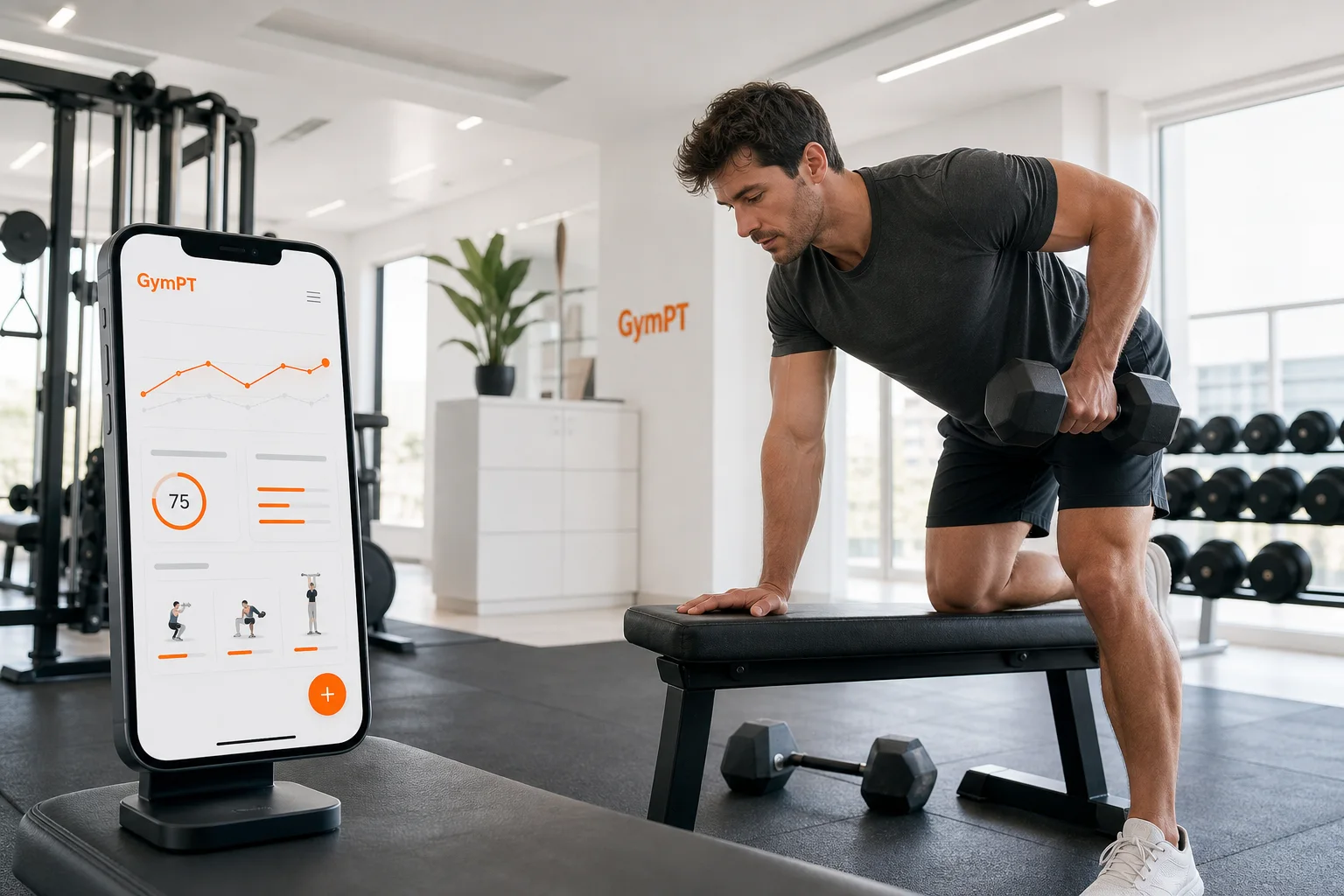
A full body workout plan trains the major movement patterns and muscle groups in the same session. Instead of dedicating separate days to chest, back or legs, you typically combine a lower-body exercise, an upper-body push, an upper-body pull and targeted core or conditioning work.
This structure is especially useful when your schedule changes, you can train only two or three days per week, or you want every session to contribute to your overall fitness. The best plan is not the most complicated one. It is the plan you can perform consistently, recover from and adjust as your strength, equipment and availability change.
What makes a full body workout plan effective?
An effective plan balances four decisions: training frequency, exercise selection, weekly workload and recovery. These variables should work together rather than being chosen independently.
- Frequency: Decide how many sessions you can complete most weeks.
- Exercise selection: Cover the major movement patterns with exercises you can perform safely and confidently.
- Workload: Use enough sets and challenging repetitions to create progress without making every session exhausting.
- Recovery: Leave enough time between demanding sessions and modify training when fatigue is unusually high.
Research comparing full-body and split routines suggests that both can improve strength and muscle growth when the overall training work is similar. That means the right structure is often the one that fits your life and helps you perform quality work consistently.
For many adults, full-body training also makes it easier to train each major muscle group at least twice weekly when sessions are spaced across the week. General activity guidelines recommend muscle-strengthening work on two or more days per week, alongside regular aerobic activity.
Choose your weekly structure first
Before writing individual workouts, choose the number of sessions you can realistically protect in your calendar. Avoid designing a five-day routine when your normal week allows only three visits to the gym.
Two-day full body workout plan
Two sessions per week can be a strong starting point for beginners, busy professionals or anyone returning to regular training. Leave at least one rest day between sessions when possible.
- Monday: Full Body A
- Tuesday: Walking, mobility or rest
- Wednesday: Rest or light aerobic activity
- Thursday or Friday: Full Body B
- Weekend: Optional easy cardio, mobility or rest
With two sessions, use a small number of productive exercises and train the major movement patterns in both workouts. You can vary the exercises slightly between A and B to reduce boredom and distribute stress.
Three-day full body workout plan
Three non-consecutive sessions are often a practical middle ground. You can repeat the same basic patterns while changing the emphasis, such as strength on Monday, moderate-volume training on Wednesday and technique or accessory work on Friday.
- Monday: Full Body A, lower-body emphasis
- Wednesday: Full Body B, upper-body emphasis
- Friday: Full Body C, balanced or lighter session
Three days provide more opportunities to practice key lifts and spread weekly work across shorter sessions. If you also participate in sports or demanding cardio, keep at least one session deliberately lighter.
Four-day full body workout plan
Four days can work well for intermediate trainees who want more weekly volume without turning every session into a marathon. The solution is not to make all four workouts equally hard. Use two higher-effort sessions and two moderate sessions.
- Monday: Full Body A, strength emphasis
- Tuesday: Full Body B, moderate volume
- Thursday: Full Body C, strength or technique emphasis
- Saturday: Full Body D, moderate volume and accessories
For more examples of how to organize training across a week, see this weekly workout planner guide. If you prefer training different body regions on different days, compare the structure with an upper lower workout split.
Build each session around movement patterns
A full-body session does not need an exercise for every individual muscle. Instead, start with movement patterns that cover the body efficiently.
- Squat or knee-dominant movement: squat, leg press, split squat or step-up.
- Hinge or hip-dominant movement: Romanian deadlift, hip thrust, kettlebell deadlift or back extension.
- Horizontal push: bench press, dumbbell press, push-up or machine chest press.
- Horizontal or vertical pull: row, pulldown, assisted pull-up or cable row.
- Shoulder or upper-back accessory: overhead press, lateral raise, reverse fly or face-pull variation.
- Core and optional conditioning: plank, loaded carry, dead bug, cycling, incline walking or intervals suited to your experience.
You do not need all six categories in every workout. On a shorter day, choose one lower-body push, one lower-body pull, one push, one pull and a brief core finisher. On a longer day, add one or two accessories.
Choose variations that match your equipment and skill level. A dumbbell goblet squat can replace a barbell squat, and a resistance-band row can replace a cable row. The training effect comes from applying appropriate effort and progressing over time, not from using one specific piece of equipment.
GymPT can help match exercise choices to the equipment you actually have. For more detail, read equipment based workout plans and adjust movements around your gym, home setup or travel limitations.
Use goals to change the emphasis
The same full-body structure can support different goals, but the exercise order, repetition range and weekly workload should change with the goal.
For general fitness
Use a balanced combination of compound lifts, accessories and manageable conditioning. Aim for controlled repetitions, consistent technique and a session length you can repeat. Moderate effort is often enough to build momentum without creating excessive soreness.
For strength
Place the most technically demanding exercise first, when you are fresh. Use heavier loads for fewer repetitions, perform several quality sets and stop before technique breaks down. Keep accessories targeted rather than adding unnecessary fatigue.
For muscle growth
Use enough weekly sets for each priority muscle group and include exercises that train muscles through different angles or ranges of motion. Moderate and higher repetition work can both be useful. Progress by adding repetitions, load or sets gradually while maintaining good execution.
For fat loss
Resistance training helps you maintain a structured fitness routine while you manage nutrition and overall activity. Keep sessions efficient, prioritize major muscle groups and add walking or other aerobic work that you can recover from. A sustainable calorie deficit, rather than an extreme workout, drives fat loss.
When your primary goal changes, your plan should change with it. A personalized workout plan can help adjust training emphasis instead of forcing the same routine on every user.
A practical full body workout template
Use the following template as a starting point. Select one exercise from each category, then adjust the number of movements to your experience and available time.
- Primary lower-body exercise: 2–4 sets of 5–10 repetitions
- Secondary lower-body exercise: 2–3 sets of 8–12 repetitions
- Upper-body push: 2–4 sets of 6–12 repetitions
- Upper-body pull: 2–4 sets of 6–12 repetitions
- Accessory exercise: 1–3 sets of 10–20 repetitions
- Core or conditioning: 5–15 minutes, depending on the rest of the session
Beginners can start with one or two working sets per exercise and focus on learning consistent technique. More experienced trainees may need additional weekly sets, but adding volume is not automatically better if performance and recovery decline.
Keep one or two repetitions in reserve on most sets. You should feel challenged, but you do not need to take every set to complete muscular failure. This approach can make it easier to maintain technique and recover for the next full-body session.
Progress without changing the plan every week
Progressive overload does not mean increasing the weight at every workout. Use a simple progression rule:
- Choose a repetition range, such as 8–12.
- Keep the same load until you can complete the upper end of the range with solid technique.
- Increase the load slightly and return to the lower end of the range.
- Record the result and repeat the process over several weeks.
You can also progress by improving control, adding a repetition, reducing unnecessary rest or increasing the total number of quality sets. The best measure is not a single impressive workout; it is a trend of better performance across several weeks.
Adjust the plan for recovery and real life
A good full body workout plan has built-in flexibility. If sleep, work stress, travel or soreness reduces your readiness, keep the session but reduce the load, remove an accessory or perform fewer sets. If you feel unusually strong and well recovered, progress as planned rather than doubling the workout.
- Low readiness: reduce volume by one set per exercise or use lighter loads.
- Limited time: perform the primary lower-body movement, one push, one pull and core work.
- New exercise: use a conservative load and prioritize technique.
- Missed session: do not cram two hard workouts together; resume with the next planned session.
- Persistent pain or concerning symptoms: stop the exercise and seek appropriate professional guidance.
Tracking your completed sets, repetitions, loads and perceived effort makes these decisions easier. GymPT combines workout tracking, AI coach chat, body analysis and progress insights so your routine can respond to your actual training history instead of relying on guesswork.
How to know when your plan is working
Evaluate the plan over four to eight weeks rather than judging it after one session. Useful signs include more repetitions with the same load, improved technique, better consistency, manageable soreness and increased confidence in the gym.
If progress stalls, first check the basics: Are you completing the planned sessions? Are you recovering between them? Are you recording performance accurately? Are the exercises appropriate for your current ability and equipment? Only then should you make larger changes to frequency, volume or exercise selection.
The most effective routine is the one that gives you enough training stimulus to progress while leaving enough recovery to come back and perform well. Start with a realistic two-, three- or four-day structure, cover the major movement patterns, and let your goals and feedback guide the adjustments.