equipment based workout
Equipment Based Workout Plans: Match Your Training to the Gym You Use
The best workout plan is one you can perform consistently. Learn how matching machines, cables, free weights, and home equipment to your training plan can make workouts more practical and easier to follow.
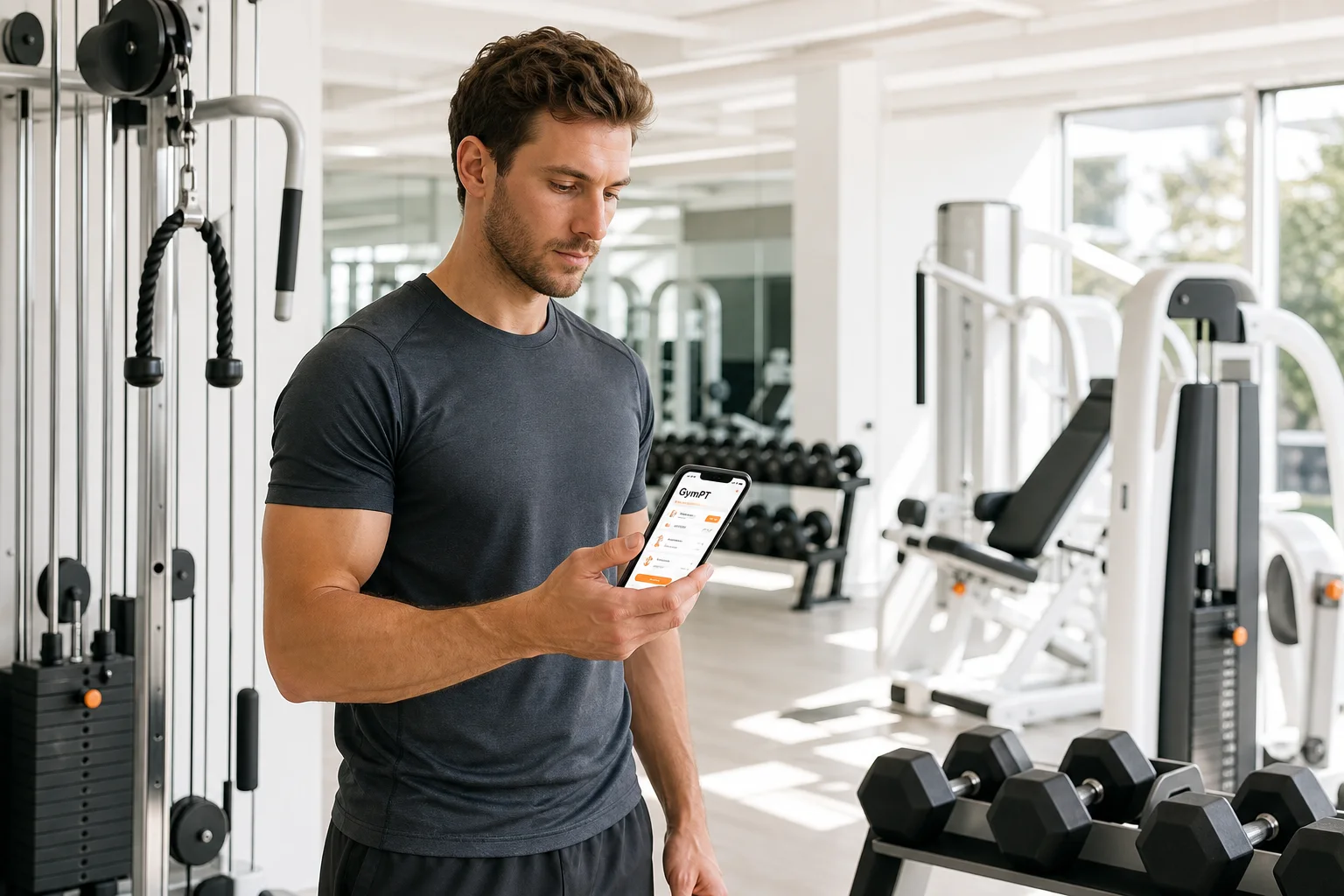
An equipment based workout is built around the machines, cables, free weights, and other tools you can realistically access. Instead of starting with an idealized routine and trying to find the equipment later, you begin with your actual training environment and create a plan that works there.
That small change can make a big difference. When your plan reflects the equipment in your gym, home setup, or training space, you spend less time improvising, switching exercises, or skipping movements altogether. You also get a clearer way to progress because the exercises in your plan are available often enough to track.
This does not mean one type of equipment is universally better. Machines, cables, dumbbells, barbells, kettlebells, resistance bands, and bodyweight exercises can all support effective resistance training. The better choice depends on your goal, experience, available space, preferences, and how consistently you can use it.
What is an equipment based workout?
An equipment based workout is a training session or program selected according to the equipment available to you. For example, a plan might be designed around:
- Machines: leg press, chest press, pulldown, seated row, leg curl, or shoulder press machines.
- Cables: cable rows, pulldowns, triceps pressdowns, face pulls, cable presses, and rotational exercises.
- Free weights: barbells, dumbbells, kettlebells, weight plates, and adjustable weights.
- Home equipment: resistance bands, a bench, a pull-up bar, adjustable dumbbells, or a compact cable system.
- Minimal or no equipment: bodyweight movements and exercises that use household space rather than dedicated gym tools.
The goal is not to collect every possible piece of equipment. The goal is to remove friction between your plan and your next workout.
Why matching equipment to your plan improves adherence
Adherence is often less about finding the theoretically perfect exercise and more about repeating useful training week after week. A plan that requires equipment you do not have creates predictable obstacles: waiting for a station, replacing exercises at the last minute, changing the load-estimation process, or abandoning part of the session.
When equipment and programming match, several practical benefits appear.
1. Fewer decisions during the workout
A clear equipment based workout tells you what to do with the tools available. You do not need to ask whether a barbell movement should be replaced with a machine exercise or search for an alternative every time the gym is busy. Fewer decisions can make a session feel more manageable, particularly when you are tired, short on time, or still learning the exercises.
2. A more realistic time commitment
Equipment affects how quickly you can move through a workout. Selectorized machines may allow quick weight changes, while plate-loaded equipment can require more setup. A dumbbell-only session may be efficient in a small space, but it can become slower if you need to move between many weight pairs.
Building a plan around your normal training environment makes it easier to estimate how long a session will take. That makes it more likely that the workout can fit into your schedule.
3. Better exercise consistency
Progress tracking is easier when you repeat the same movement pattern with the same type of equipment. If you perform a machine chest press one week, push-ups the next week, and dumbbell presses after that, you may still be training your chest, but comparing performance becomes less direct.
Consistent exercise selection gives you a clearer record of repetitions, resistance, effort, and performance over time. You can still use substitutions when needed, but a stable default plan makes progress easier to interpret.
4. More confidence and enjoyment
People are more likely to continue activities that feel understandable, achievable, and enjoyable. Equipment that suits your experience can make exercise feel less intimidating. A beginner may prefer the stability and simple setup of a machine, while an experienced lifter may enjoy the freedom and challenge of barbells or kettlebells.
Preference matters because a technically effective movement is not useful if you consistently avoid performing it. The best equipment is often the equipment that helps you train with good effort and return for the next session.
Machines, cables, and free weights: how to choose
Each equipment category has strengths. Rather than treating the choice as a debate, use the option that best supports the purpose of the exercise and your ability to perform it consistently.
Machines
Machines provide stability and guide the movement through a defined path. This can make them useful for beginners, for exercises performed near the end of a session, or for isolating a muscle without requiring as much balance and coordination.
Machines can also make loading straightforward. A weight stack or clearly marked resistance level gives you a simple starting point and an easy way to record progress. However, machine dimensions and movement paths vary, so adjust the seat, pad, and range of motion to fit your body rather than forcing a position that feels uncomfortable.
Cables
Cables offer more freedom than many machines while still providing a stable resistance source. You can change the handle, body position, angle, and stance to train muscles through several movement patterns.
They are especially useful for rows, pulldowns, presses, triceps work, lateral raises, face pulls, and controlled core exercises. Because cable stations are popular, it helps to include alternative exercises in your plan for busy periods.
Free weights
Barbells, dumbbells, and kettlebells allow you to control the path of the load. They can be excellent for compound movements and unilateral exercises, but they may require more coordination, stability, and setup.
Dumbbells are practical when you want to train one side at a time or work in a smaller space. Barbells are useful when you want to load certain movements progressively. Kettlebells can support both strength exercises and dynamic movements, although technique should take priority over speed or load.
Resistance bands and minimal equipment
Bands are portable, inexpensive, and useful for a wide range of pulling, pressing, lower-body, and accessory movements. Their resistance changes through the range of motion, so they do not feel exactly like free weights or machines. They can still be a practical choice when space, budget, or travel makes traditional gym equipment unrealistic.
A strong plan does not require an impressive equipment collection. It requires enough resistance and exercise variety to train the major movement patterns consistently.
How to build an equipment based workout plan
Use the following process to turn your available equipment into a repeatable program.
- List what you can access consistently. Separate equipment you use every week from equipment that is occasionally available. Your core plan should rely on the first list.
- Define your main goal. Strength, muscle gain, general fitness, and improved consistency can all influence exercise selection, volume, rest periods, and progression.
- Choose movement patterns. Include a practical mix of squat or knee-dominant work, hip-dominant work, pushing, pulling, and core training. You do not need to use the same equipment category for every pattern.
- Select exercises you can perform confidently. A familiar machine or dumbbell variation may be a better starting point than a technically demanding exercise you rarely practice.
- Set a progression method. Track resistance, repetitions, sets, and perceived effort. When you can complete the planned repetitions with solid technique, gradually increase the challenge according to your program.
- Add sensible alternatives. Pair each important exercise with one or two substitutions using equipment you can access. This prevents a busy gym from derailing the entire session.
- Review the plan after several weeks. Look for exercises you repeatedly skip, equipment that is always unavailable, or movements that do not fit your preferences. Then adjust the plan instead of relying on willpower.
Example: one goal, three equipment-based options
Imagine you want a full-body workout focused on general strength and muscle development. The training goal can stay similar while the equipment changes.
Machine-focused option
- Leg press
- Seated chest press
- Lat pulldown
- Seated leg curl
- Machine shoulder press
- Seated cable or machine core exercise
Free-weight option
- Goblet squat or barbell squat
- Dumbbell bench press
- One-arm dumbbell row
- Romanian deadlift with dumbbells or a barbell
- Dumbbell shoulder press
- Loaded carry or plank variation
Compact home option
- Band squat or split squat
- Push-up or band chest press
- Band row
- Band hip hinge or glute bridge
- Band overhead press
- Dead bug or side plank
These are not interchangeable exercise lists in every detail. They are examples of how the same broad training purpose can be adapted to different environments. Your repetitions, sets, resistance, and rest periods should match your experience and recovery.
How GymPT supports equipment-based training
GymPT helps turn your available equipment into a more practical training plan. You can identify the machines, cables, free weights, or home tools you have access to, then use that information to guide exercise selection.
The advantage is not simply receiving a list of exercises. It is having a plan that is easier to start, easier to track, and easier to adjust when your circumstances change. GymPT can also support workout tracking and progress insights, helping you see which movements you repeat and how your performance develops.
If you are comparing different ways to structure your training, explore the AI Workout Plan by Equipment guide. For broader planning advice, the personalized workout plan guide explains why your routine should reflect your goals, schedule, and preferences.
You may also find the gym workout plan app feature guide useful when deciding which planning tools can make training easier. Once your routine is in place, use the workout progress tracking guide to improve how you record and review your sessions.
Common mistakes to avoid
- Choosing equipment because it looks advanced: Complexity is not the same as effectiveness. Choose movements you can perform consistently.
- Building a plan around equipment you rarely use: Your regular environment should shape your default program.
- Changing exercises every session: Variety can be useful, but constant variation makes progression harder to evaluate.
- Ignoring setup and availability: Consider how long equipment takes to adjust and whether it is usually free when you train.
- Forcing uncomfortable positions: Adjust the equipment or select another variation if the setup does not fit you.
- Skipping progression: An equipment based workout still needs a plan for gradually increasing challenge through load, repetitions, sets, control, or range of motion.
The best equipment based workout is the one you can repeat
Equipment should serve your training, not complicate it. Machines can provide stability, cables can offer flexible angles, free weights can develop coordination and strength, and bands can make training accessible almost anywhere.
When your plan matches the equipment you actually use, you reduce unnecessary decisions and create a clearer path from one workout to the next. Start with your real environment, choose exercises that support your goal, track the work, and adjust when your schedule or equipment changes.
Consistency is the foundation. The most useful equipment based workout is not the one with the most tools—it is the one that helps you train well enough, often enough, to make progress.