3 day gym workout plan
3 Day Gym Workout Plan: A Flexible Weekly Routine for Strength and Muscle
A well-designed 3 day gym workout plan can build strength, support muscle growth, and fit around a busy schedule. Here’s how to structure your week, choose exercises, manage recovery, and adapt your plan as you progress.
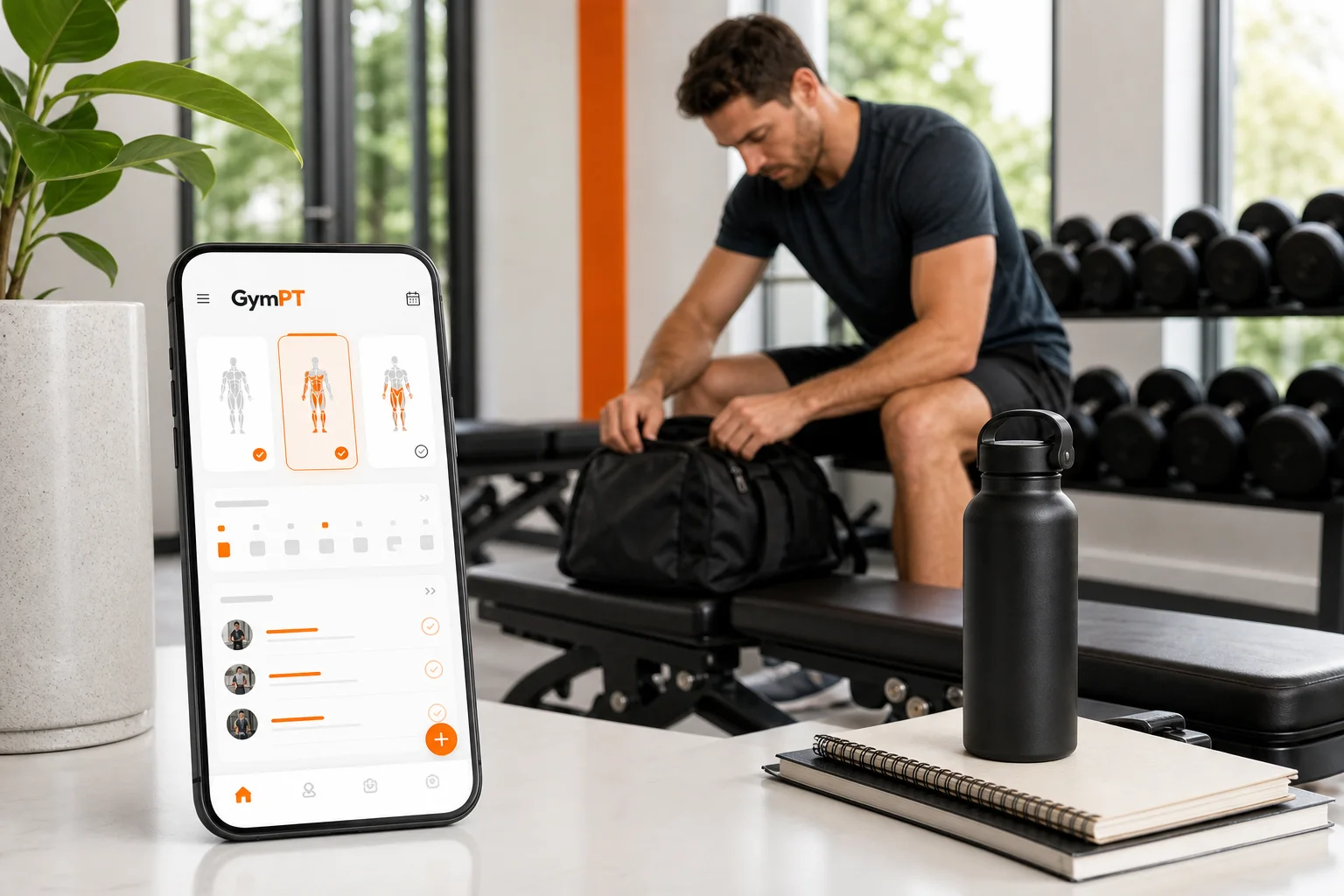
A 3 day gym workout plan can be enough to build strength, support muscle growth, and create a consistent training habit. The key is not trying to squeeze a six-day program into three sessions. Instead, each workout should train the major movement patterns, use a manageable amount of volume, and leave enough time for recovery.
This approach works well for busy adults, people returning to the gym, and lifters who want a sustainable routine rather than a schedule that takes over the week. The example below uses three full-body sessions, but it can be adapted for different goals, equipment levels, and experience.
Why a 3 day gym workout plan works
Training three times per week gives you regular exposure to resistance exercise while keeping rest days between most sessions. A Monday-Wednesday-Friday schedule is common, but Tuesday-Thursday-Saturday can work just as well. The best schedule is the one you can repeat consistently.
A three-day structure also makes it easier to train each major muscle group more than once per week without creating extremely long workouts. Research on resistance training suggests that weekly training volume and progressive effort are important drivers of results, while frequency can be adjusted to match personal preference and recovery capacity.
For general health, adults are also advised to perform muscle-strengthening activity on at least two days per week. A three-day plan comfortably meets that minimum while leaving room for walking, light cardio, sports, or other activities.
How to structure your 3 day gym routine
Each session should include five broad categories:
- A lower-body push: such as a squat, leg press, split squat, or step-up.
- A lower-body pull: such as a Romanian deadlift, hip hinge, leg curl, or back extension.
- An upper-body push: such as a bench press, dumbbell press, overhead press, or machine chest press.
- An upper-body pull: such as a row, pulldown, pull-up, or cable row.
- Core or conditioning work: such as carries, planks, controlled leg raises, or a short cardio finisher.
You do not need to use every exercise category in every workout. The goal is to distribute them across the week so that your total training is balanced. Begin with the exercises that require the most coordination and effort, then move toward simpler accessory movements.
A practical 3 day gym workout plan
Use the following routine as a starting point. Choose a load that allows you to complete the target repetitions with controlled technique. Keep most sets around one to three repetitions away from technical failure, meaning you stop when another repetition would likely compromise your form.
Day 1: Squat and horizontal push emphasis
- Squat or leg press: 3 sets of 5–8 repetitions
- Flat barbell or dumbbell bench press: 3 sets of 6–10 repetitions
- Seated cable row: 3 sets of 8–12 repetitions
- Romanian deadlift: 2 sets of 8–10 repetitions
- Plank: 3 sets of 30–60 seconds
Rest for approximately two to three minutes after demanding compound exercises. For planks and lighter movements, 60–90 seconds may be enough. If your performance drops sharply from set to set, take a little more rest rather than rushing.
Day 2: Hinge and vertical pull emphasis
- Deadlift variation or hip thrust: 3 sets of 5–8 repetitions
- Overhead press: 3 sets of 6–10 repetitions
- Lat pulldown or assisted pull-up: 3 sets of 8–12 repetitions
- Bulgarian split squat or reverse lunge: 2 sets of 8–12 repetitions per side
- Farmer carry: 3 rounds of 20–40 seconds
If deadlifts are demanding for your lower back, use a hip thrust, machine hinge, or lighter Romanian deadlift instead. Exercise selection should match your current skill, mobility, available equipment, and ability to recover. There is no requirement to use a particular barbell lift.
Day 3: Single-leg and upper-body balance
- Front squat, goblet squat, or hack squat: 3 sets of 8–12 repetitions
- Incline dumbbell press: 3 sets of 8–12 repetitions
- One-arm dumbbell row: 3 sets of 8–12 repetitions per side
- Leg curl: 2–3 sets of 10–15 repetitions
- Lateral raise: 2 sets of 12–20 repetitions
- Dead bug or cable anti-rotation press: 2–3 sets of 8–12 repetitions per side
This third session gives you another opportunity to practice the main movement patterns while adding moderate-volume accessory work. If the workout becomes too long, remove one accessory exercise instead of skipping the main lifts.
How to choose sets, repetitions, and weights
The repetition ranges above are flexible starting points, not strict rules. Heavier loads with fewer repetitions can be useful for practicing strength, while moderate and higher repetition ranges can make accessory movements easier to control.
A simple method is double progression:
- Choose a repetition range, such as 8–12.
- Start with a weight you can lift for about 8 good repetitions.
- Keep the weight the same until you can complete 12 repetitions on all prescribed sets with solid form.
- Increase the load by a small amount during the next session.
- Return to the lower end of the range and build again.
For example, if you perform dumbbell bench press for three sets, you might progress from 10, 9, and 8 repetitions to 12, 12, and 12. Once you reach the top of the range across all sets, increase the weight slightly.
Progress is not limited to adding weight. You can also improve by completing more repetitions, using a smoother range of motion, reducing unnecessary rest, or performing the same workload with better control. These smaller improvements matter, especially when you are new to structured training.
How to organize recovery between sessions
Recovery is part of the plan, not time lost from the plan. Place at least one rest or low-intensity day between most workouts. On non-lifting days, walking, mobility work, or easy cycling can support general activity without adding significant fatigue.
Pay attention to practical recovery signals:
- Your technique remains stable during working sets.
- Your normal loads and repetitions are not falling week after week.
- Muscle soreness is manageable and does not interfere with daily movement.
- You feel ready to train again after your rest day.
- Your motivation is generally steady rather than declining continuously.
If performance is falling across several sessions, reduce the load, remove one accessory set, or take an easier week. A temporary reduction in training stress can help you return with better quality. Do not treat extreme fatigue, sharp pain, or persistent symptoms as a challenge to push through; seek appropriate professional guidance when needed.
How to adapt the plan to your goal
For strength
Keep the main compound lifts toward the lower end of their repetition ranges and prioritize consistent technique. Add weight gradually and avoid turning every set into a maximum effort. Strength improves through practice as well as muscular adaptation, so repeating key movement patterns is useful.
For muscle growth
Use the full repetition ranges and consider adding one set to selected exercises if you are recovering well. Spread your weekly work across the three sessions instead of placing all volume for a muscle group on one day. Higher weekly volume can support hypertrophy, but more is not automatically better if it reduces exercise quality or recovery.
For general fitness or fat loss
Keep resistance training as the foundation and add manageable activity outside the gym. Brisk walking, cycling, or short conditioning sessions can increase weekly movement without requiring another full lifting day. Nutrition, sleep, and overall activity also influence body-composition outcomes, so avoid judging the plan by gym performance alone.
For beginners
Start with two working sets for most exercises during the first few weeks. Learn the movement pattern, practice setting up equipment safely, and leave more repetitions in reserve. Once the sessions feel familiar, gradually move toward the full prescription.
Make your gym workout schedule easier to follow
A good plan should reduce decisions, not create more of them. Before each week begins, decide which three days you will train and prepare substitutions for crowded equipment. For example, a dumbbell press can replace a barbell bench press, and a cable row can replace a machine row.
Keep a record of the exercise, load, repetitions, and a short note about how the set felt. A workout progress tracking system makes it easier to see whether you are gradually improving rather than relying on memory.
If your schedule changes often, a weekly workout planner can help you move sessions without losing the structure of the week. You can also use a gym program maker app to organize exercise alternatives around the equipment available at your gym.
For more help comparing planning features, see this guide to the best workout planner app features that make training easier to manage.
When to change your 3 day gym workout plan
Do not change exercises simply because progress feels slow for one week. Give the plan enough time to establish a pattern, then review it after several weeks. Consider an adjustment when:
- You have stopped progressing despite consistent effort and adequate recovery.
- An exercise causes repeated discomfort or is difficult to perform safely.
- Your available equipment or schedule has changed.
- The workouts are consistently too long or too easy.
- Your goal has shifted from strength to muscle growth, conditioning, or general fitness.
Change one or two variables at a time so you can understand what helped. A small adjustment to exercise selection, volume, or schedule is usually more useful than replacing the entire routine.
Build a plan that adapts with you
The best 3 day gym workout plan is one that fits your week, matches your current ability, and gives you a clear way to progress. Start with balanced full-body sessions, use controlled effort, recover between workouts, and record what you do.
As your training experience grows, your plan can become more specific. GymPT can help personalize workouts around your goal, available equipment, training history, and schedule, while workout tracking and progress insights give you useful feedback for the next session. Consistency comes first; intelligent adjustments make that consistency more productive.