5 day push pull legs workout plan
5 Day Push Pull Legs Workout Plan: Build Muscle With Better Recovery
A 5 day push pull legs workout plan can work extremely well when your weekly schedule, exercise volume, and recovery are aligned. Here is a practical version for building muscle and strength without turning every session into a marathon.
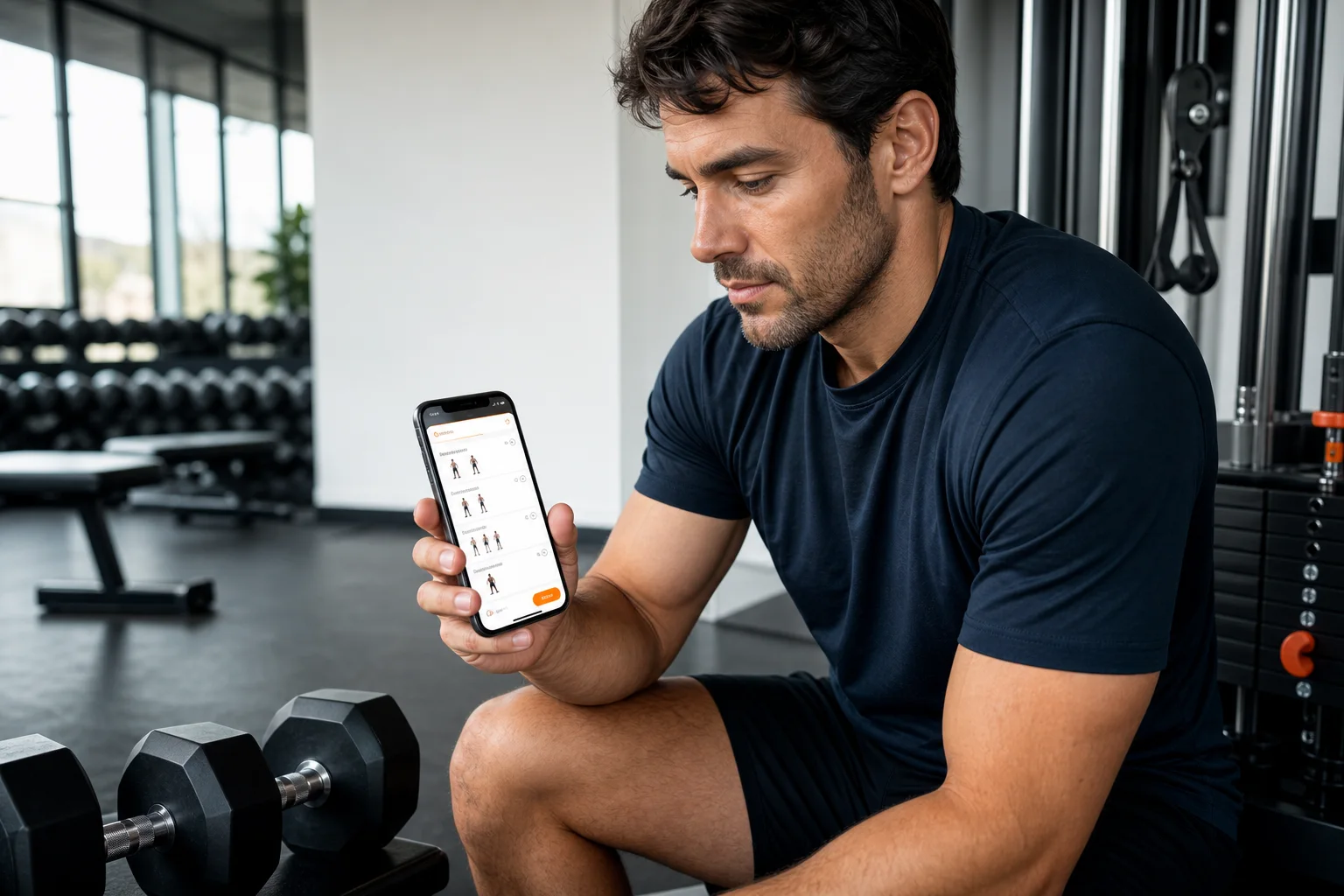
A 5 day push pull legs workout plan gives you enough training time to build muscle, practice key lifts, and organize your week around a clear structure. But five gym sessions do not automatically make a program better. The plan still needs manageable volume, sensible exercise selection, and enough recovery between hard sessions.
This guide uses a practical push pull legs split with two push sessions, two pull sessions, and one dedicated leg session each week. It is especially useful for intermediate lifters or motivated beginners who already have a consistent training habit. If you are brand new to resistance training, start with fewer weekly sessions and build toward this schedule gradually.
How a 5 day PPL workout is structured
The simplest version is:
- Day 1: Push A
- Day 2: Pull A
- Day 3: Legs
- Day 4: Rest or light activity
- Day 5: Push B
- Day 6: Pull B
- Day 7: Rest
This schedule emphasizes the chest, shoulders, back, and arms while giving the lower body one focused session. That can be a good fit if upper-body development is your priority or if your weekly schedule makes two leg sessions difficult.
However, if balanced lower-body development is your main goal, use a rotating schedule rather than repeating the exact same week forever. For example, move the leg session to Day 5 every second week and shift the second push or pull session accordingly. This keeps your overall training frequency more even over several weeks.
Remember that a split is only an organizational tool. Current evidence suggests that split and full-body routines can produce similar strength and muscle gains when total training volume is comparable. Choose the structure that helps you train consistently and perform your work with good quality.
The complete 5 day push pull legs workout plan
Day 1: Push A — chest strength and shoulder development
- Barbell or dumbbell bench press: 3 sets of 5–8 reps
- Incline dumbbell press: 3 sets of 8–10 reps
- Seated shoulder press: 2–3 sets of 6–10 reps
- Cable or dumbbell lateral raise: 3 sets of 12–20 reps
- Rope triceps pressdown: 3 sets of 10–15 reps
Begin with the exercise that matters most for your current goal. Keep one to three controlled repetitions in reserve on most sets rather than forcing failure immediately. Your pressing movements should feel challenging, but your technique should remain repeatable from set to set.
Day 2: Pull A — back thickness and strength
- Deadlift or Romanian deadlift: 3 sets of 5–8 reps
- Pull-up or lat pulldown: 3 sets of 6–10 reps
- Chest-supported row: 3 sets of 8–12 reps
- Face pull or reverse fly: 3 sets of 12–20 reps
- Incline dumbbell curl: 3 sets of 8–12 reps
Do not treat every pull workout as a test of maximum effort. If you use a demanding hinge such as the deadlift, keep the remaining exercises controlled and avoid adding unnecessary lower-back fatigue. A chest-supported row can be a useful alternative when your posterior chain is already tired.
Day 3: Legs — quads, hamstrings, and glutes
- Squat, hack squat, or leg press: 3 sets of 5–10 reps
- Romanian deadlift or seated leg curl: 3 sets of 8–12 reps
- Bulgarian split squat: 2–3 sets of 8–12 reps per leg
- Leg extension: 2 sets of 12–15 reps
- Standing or seated calf raise: 3 sets of 10–15 reps
- Optional abdominal exercise: 2–3 sets
This is a complete session, not a reason to add every leg exercise you know. Start with approximately 12 to 16 challenging work sets for the lower body, then adjust based on performance, soreness, and recovery. If your leg session regularly lasts more than 90 minutes, remove low-value accessory work before adding more exercises.
Day 4: Rest and recovery
Take a full rest day or perform easy walking, mobility work, or light cardio. The goal is to feel more prepared for the next session, not to create another demanding workout. Sleep, adequate food, and hydration are part of the program—not optional extras.
Day 5: Push B — hypertrophy-focused pressing
- Incline barbell or machine press: 3 sets of 6–10 reps
- Flat dumbbell press: 3 sets of 8–12 reps
- Machine or cable shoulder press: 2 sets of 8–12 reps
- Single-arm lateral raise: 3 sets of 12–20 reps
- Overhead triceps extension: 3 sets of 10–15 reps
Use slightly different angles or equipment from Push A, but do not change everything every week. A stable exercise menu makes it easier to compare performance and identify whether you are actually progressing.
Day 6: Pull B — lats, upper back, and arms
- Neutral-grip lat pulldown or assisted pull-up: 3 sets of 8–12 reps
- One-arm cable or dumbbell row: 3 sets of 8–12 reps
- Seated cable row: 2–3 sets of 10–15 reps
- Rear-delt fly: 3 sets of 12–20 reps
- EZ-bar curl: 3 sets of 8–12 reps
- Hammer curl: 2 sets of 10–15 reps
Think about moving your elbows and controlling the weight rather than simply pulling with your hands. A brief pause in the contracted position can make lighter loads more challenging without relying on momentum.
Who should use this 5 day muscle building workout?
This plan is a reasonable choice for:
- Intermediate lifters who can recover from five resistance sessions
- People who enjoy training frequently and prefer shorter, focused workouts
- Lifters prioritizing chest, shoulders, back, and arms
- People with reliable access to a gym and a predictable weekly schedule
Beginners may benefit from two to four weekly sessions first. You can learn the movements, build tolerance to training volume, and improve consistency without needing five visits immediately. Our guide to an AI workout coach for beginners explains how to make that starting phase more manageable.
Five days is also not automatically better than three or four. A well-executed 3 day workout plan for muscle gain can produce excellent results when it matches your schedule and allows you to progress.
How much volume and intensity should you use?
Start conservatively. For most exercises, use two or three work sets and stop with about one to three repetitions in reserve. Isolation movements can often be taken closer to failure than heavy compound lifts because they create less whole-body fatigue, but good form still comes first.
A useful starting point is roughly 8 to 12 challenging weekly sets for priority muscle groups, counting direct work and considering indirect work from compound exercises. You can add sets later if performance is stable and recovery is good. More volume is not always better; it is only useful when you can recover from it and perform it productively.
Choose loads that let you stay within the prescribed rep range. The exact percentage of your one-repetition maximum is less important than using a challenging, controlled load that fits the exercise and your experience level.
Progression: how to improve week by week
Use double progression for most exercises:
- Choose a rep range, such as 8–12 reps.
- Keep the same weight until you can complete the top end of the range on all work sets with solid technique.
- Increase the load by the smallest practical amount.
- Return to the lower end of the range and build again.
For example, if you perform dumbbell presses for three sets of 8–12 reps, you might progress from 10, 9, and 8 reps to 12, 12, and 12 reps over several sessions. Once the target is achieved without excessive effort or form breakdown, increase the dumbbells and begin again.
Track more than weight. Record repetitions, sets, effort, exercise variations, and any notes about discomfort or fatigue. A smart fitness coach app can make this easier by helping you organize workouts and notice patterns in your training. For more on choosing useful digital support, see our guide to a smart fitness coach app.
Recovery rules that make the plan work
- Protect your rest days: Easy activity is fine, but avoid turning recovery into another hard session.
- Separate demanding sessions: The rest day after legs helps reduce accumulated fatigue before Push B.
- Adjust when performance drops: Remove one accessory set before cutting the main lifts.
- Use a deload when needed: After several hard weeks, reduce sets or loads for approximately one week if fatigue remains high.
- Match training to life stress: Travel, poor sleep, or a demanding work week may justify a temporary reduction in volume.
If you consistently feel worn down, your joints are irritated, or your numbers are falling across multiple sessions, the correct response is not always more motivation. Reduce fatigue, review exercise selection, and consider a lower-frequency plan.
How GymPT can personalize the schedule
A template is a useful starting point, but the best plan depends on your available equipment, experience, goals, and recovery capacity. GymPT can help turn those details into a more personalized routine, track your completed sessions, and provide progress insights as your training history grows.
You can also compare this structure with a 5 day full body workout plan if you prefer to practice each movement pattern more often or need greater flexibility when a workout is missed.
Final takeaway
A successful 5 day PPL workout is not built around doing the most exercises possible. It is built around repeatable sessions, recoverable volume, progressive overload, and a schedule you can follow for months.
Use the plan above for at least four to six weeks before making major changes. Track your lifts, keep your technique consistent, and adjust volume based on performance rather than guesswork. If five days becomes difficult to sustain, reduce the schedule without abandoning progression—the best program is the one you can perform consistently.