5 day full body workout plan
5 Day Full Body Workout Plan: How to Train Hard, Recover Well, and Keep Progressing
A practical guide to building a 5 day full body workout plan with the right frequency, recovery, exercise selection, and progression for real-world training.
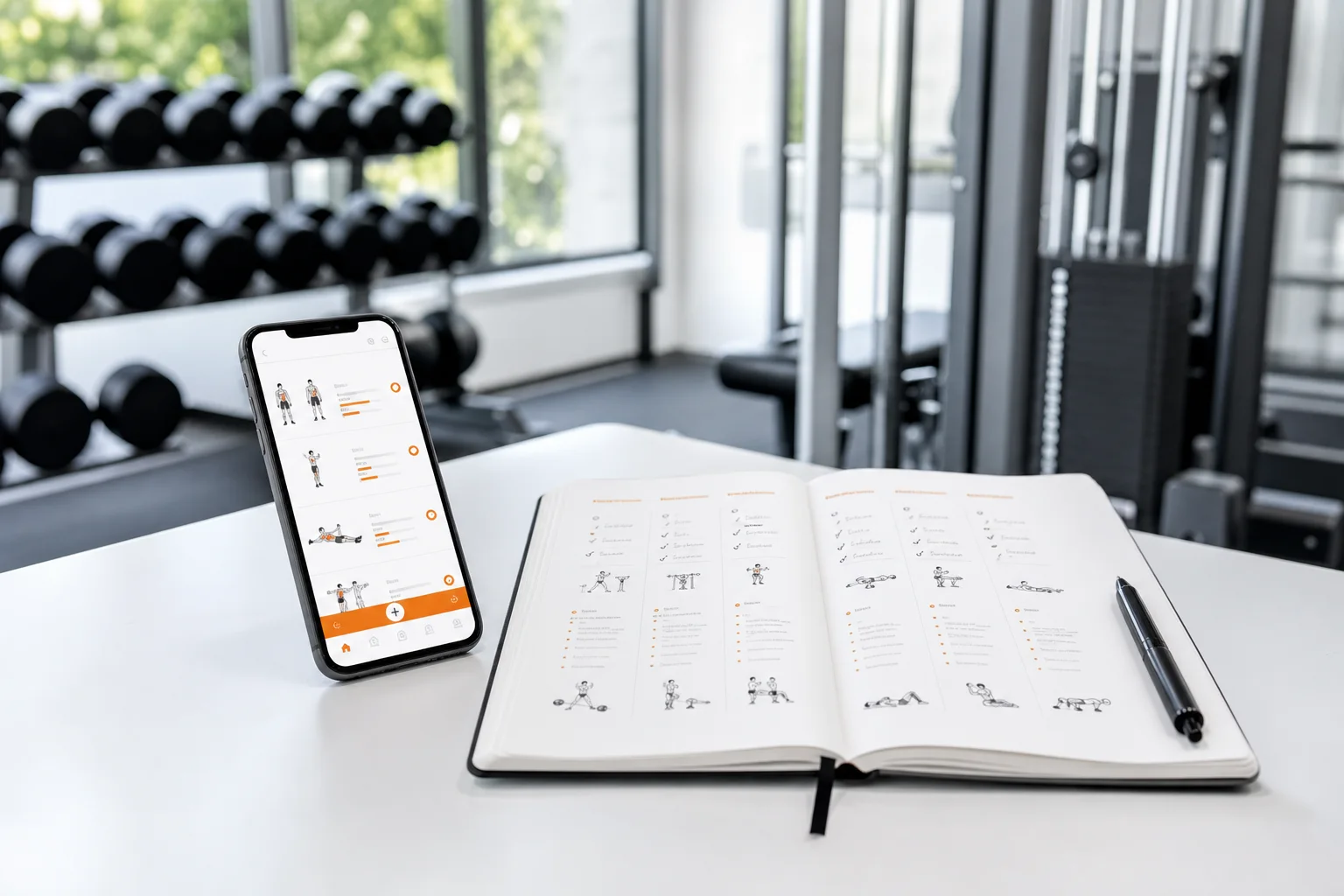
5 Day Full Body Workout Plan: What It Is and Who It’s For
A 5 day full body workout plan is a weekly training structure where you train the whole body across five sessions, but you do not try to crush every muscle with the same volume every day. Instead, you rotate emphasis, intensity, and exercise selection so you can practice the main movement patterns often, recover well, and keep progressing.
This style works especially well if you want frequent practice, enjoy shorter sessions, and like the idea of training often without turning every workout into a marathon. It can be a strong fit for intermediate lifters, busy gym-goers, and anyone who wants more structure than a random “bro split” but more weekly touchpoints than a 3 day plan.
For most adults, the big picture is simple: regular muscle-strengthening work matters, and major health guidelines recommend strength training at least two days per week alongside aerobic activity. A 5 day plan goes beyond the minimum, so recovery and smart volume control become the real keys.
How a 5 Day Full Body Split Should Actually Work
The mistake most people make is assuming “full body” means doing every lift, every day. That usually leads to junk volume, sore joints, and stalled progress. A better approach is to train the full body through the week while changing the emphasis from session to session.
Think of the week as five opportunities to cover these movement patterns:
- Squat pattern for quads and glutes
- Hinge pattern for hamstrings, glutes, and back
- Horizontal push for chest and triceps
- Horizontal pull for upper back and rear delts
- Vertical push for shoulders and triceps
- Vertical pull for lats and upper back
- Core and carries for trunk strength and stability
That gives you enough frequency to improve technique and enough variety to manage fatigue. The goal is not to max out daily. The goal is to accumulate quality work across the week.
Best Weekly Structure for a 5 Day Full Body Workout Plan
Here is a practical structure that balances stimulus and recovery:
- Day 1: Lower-body emphasis + one push + one pull
- Day 2: Upper-body emphasis + lighter legs
- Day 3: Full body moderate volume
- Day 4: Lower-body emphasis with different exercises
- Day 5: Upper-body emphasis + accessories + core
This setup keeps each muscle group involved multiple times per week without forcing every session to be equally hard. That matters because strength gains come from repeated exposure plus progressive overload, not from trying to win every workout.
Example 5 Day Full Body Workout Plan
Day 1
- Squat or leg press: 3 sets of 5-8
- Bench press or machine chest press: 3 sets of 6-10
- Row variation: 3 sets of 8-12
- Plank or dead bug: 2-3 sets
Day 2
- Romanian deadlift: 3 sets of 6-10
- Lat pulldown or pull-up: 3 sets of 6-10
- Dumbbell shoulder press: 2-3 sets of 8-12
- Split squat: 2 sets of 8-12
Day 3
- Front squat or goblet squat: 3 sets of 8-12
- Incline press: 3 sets of 8-12
- Cable row: 3 sets of 10-12
- Calf raise or carry: 2-3 sets
Day 4
- Hip hinge variation: 3 sets of 5-8
- Machine chest press or push-up: 3 sets of 8-15
- Single-arm row: 3 sets of 8-12
- Hamstring curl: 2-3 sets of 10-15
Day 5
- Leg press or squat variation: 2-3 sets of 8-12
- Overhead press: 3 sets of 6-10
- Pull-down or chest-supported row: 3 sets of 8-12
- Arms or core finisher: 2-4 sets
This is a template, not a law. The best version is the one you can recover from consistently.
How Much Volume Should You Use?
For most lifters, the sweet spot is enough weekly sets to create progress without turning every session into a recovery problem. A useful starting point is:
- Large muscle groups: about 10-16 hard sets per week
- Smaller muscle groups: about 6-12 hard sets per week
- Beginners: start near the low end
- Intermediate lifters: can usually tolerate more if sleep, food, and stress are under control
That lines up with public guidance that strength work should be progressive over time, with gradual increases in weight, sets, reps, or training days. In practice, weekly volume should rise only when your performance and recovery can support it.
Recovery Rules That Make a 5 Day Plan Work
A 5 day split only works if recovery is part of the plan. If you train hard five days in a row with no strategy, fatigue will eventually outrun adaptation.
- Keep 1-3 reps in reserve on most sets, especially early in the week.
- Alternate hard and moderate days so your joints and nervous system are not maxed out daily.
- Sleep enough to support performance and muscle repair.
- Eat enough protein and total calories to match your goal.
- Use rest days for walking, mobility, or easy cardio instead of doing more hard lifting.
If your performance drops for several sessions in a row, your plan is probably too aggressive. Reduce sets before you reduce effort.
How to Progress Week by Week
Progression should be simple enough to follow and specific enough to measure. The easiest method is double progression:
- Pick a rep range, such as 6-10.
- Use the same weight until you can hit the top of the range for all sets with good form.
- Increase the load slightly and repeat.
For example, if you do 3 sets of 8, 8, and 7 on a dumbbell press, keep the weight until you can reach 10, 10, and 10. Then move up.
You can also progress by changing one variable at a time:
- Add 1 rep per set
- Add 2.5-5% load
- Add 1 set to a key lift
- Improve range of motion or control
- Shorten rest slightly on accessory work
The point is to make progress measurable, not random.
How to Adjust the Plan for Your Level
For beginners
If you are new to lifting, five full-body sessions may be more than you need. You can still use the structure, but keep each workout short and low volume. Focus on learning movement patterns, not chasing fatigue. If recovery becomes an issue, move to a 3 day full body workout plan or a 4 day full body workout plan before adding more sessions.
For intermediate lifters
This is the sweet spot for a 5 day plan. You likely have enough technique to train frequently and enough work capacity to benefit from more weekly exposure. Use a mix of heavier and lighter days, and track your lifts closely.
For advanced lifters
Advanced trainees can use a 5 day full body workout plan to distribute volume more intelligently, but exercise selection and fatigue management matter even more. You may need more precise deloads, more exercise rotation, and tighter control over weekly stress.
Common Mistakes to Avoid
- Doing too much on every day. Full body does not mean full destruction.
- Ignoring lower-body fatigue. Squats, hinges, and leg presses add up fast.
- Using the same rep range for everything. Mix heavier and moderate work.
- Skipping tracking. If you do not record sets, reps, and load, progression becomes guesswork.
- Changing the plan every week. Give a program enough time to work.
How GymPT Can Help You Run This Plan Better
If you want a plan that adapts to your schedule, equipment, and recovery, GymPT can help you build a smarter version of this split. The app can generate personalized workouts, track your sessions, and show progress trends so you can see whether your volume and intensity are actually working.
That is especially useful when you are deciding whether to push harder, hold steady, or deload. Instead of guessing, you can use your training data to make the next week more effective.
For more planning ideas, you may also like 3 Day Full Body Workout Plan: How to Train Smarter, Recover Better, and Week by Week, 4 Day Full Body Workout Plan: A Practical Guide to Training, Recovery, and Progression, AI Fitness Plan Generator: How to Use AI Coaching Without Guessing Your Way Through Training, and Muscle Load Tracking: How to Measure Progress Without Guessing.
Bottom Line
A 5 day full body workout plan can be a powerful way to train if you respect recovery, control weekly volume, and progress in a structured way. The best plan is not the one with the most exercises. It is the one you can repeat, recover from, and improve over time.
If you want more consistency and less guesswork, build the week around movement patterns, keep most sessions manageable, and let progression happen gradually. That is how a 5 day plan becomes sustainable instead of exhausting.