AI workout coach for beginners
AI Workout Coach for Beginners: How to Start Safely, Stay Consistent, and Make Real Progress
A beginner-friendly guide to using an AI workout coach wisely: what it can do, where it helps most, and how GymPT supports safer planning and steady progress.
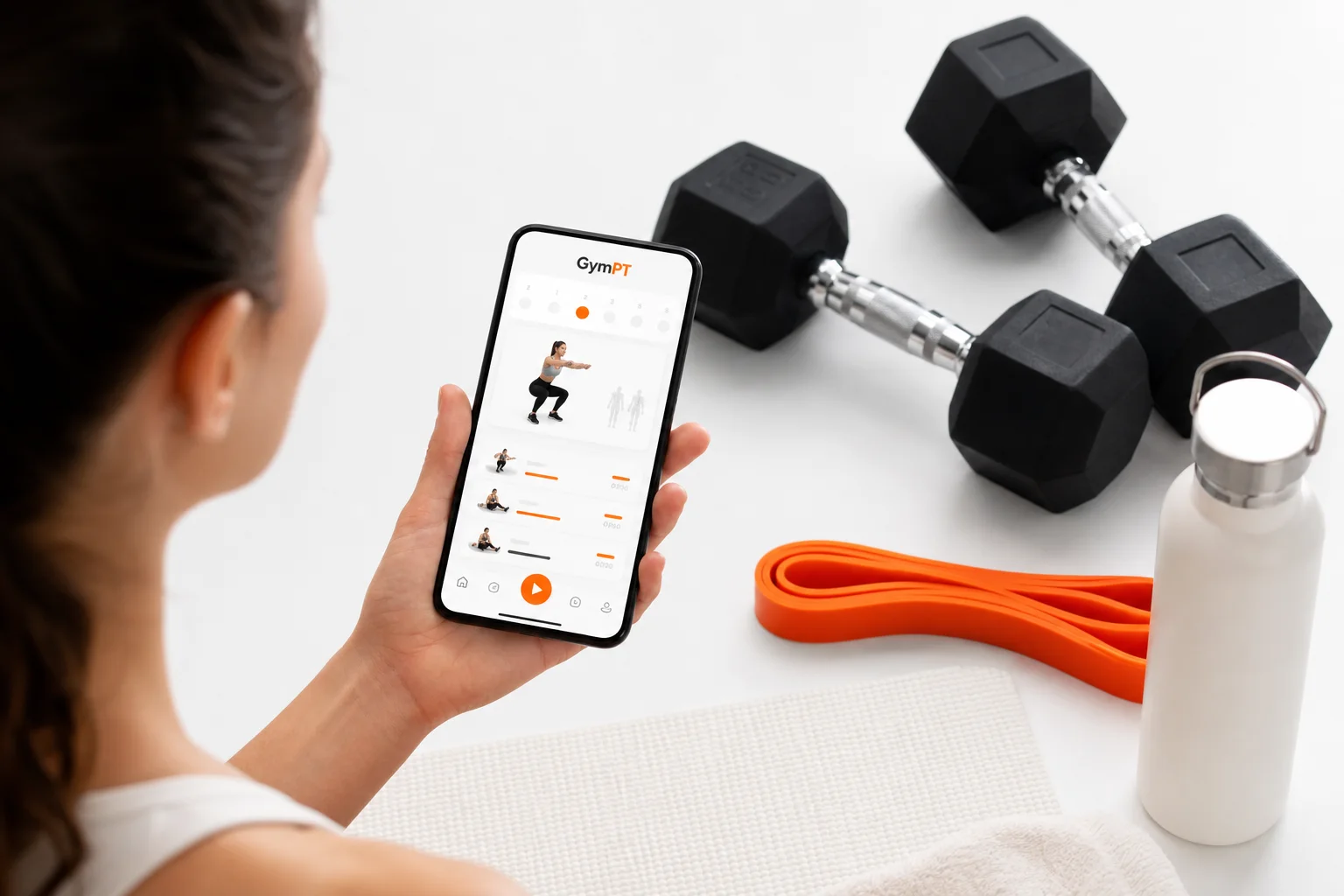
If you are new to training, the biggest challenge is rarely motivation alone. It is usually uncertainty: What should I do first? How hard should I train? How do I know if I am progressing? That is where an AI workout coach for beginners can be useful. The best version does not try to replace a real coach’s judgment. Instead, it helps you make better decisions, avoid random workouts, and build a plan you can actually follow.
GymPT is designed for that kind of support. It can create personalized workout plans, adapt to your equipment, track sessions, and give you coach-style feedback so you spend less time guessing and more time training with purpose.
What an AI workout coach can do for a beginner
A good AI coach is most helpful when it turns a vague goal into a simple training structure. For beginners, that usually means:
- Choosing a realistic weekly schedule based on your time, experience, and recovery.
- Matching exercises to your equipment, whether you train at home, in a gym, or with limited gear.
- Setting a starting volume that is challenging but not overwhelming.
- Explaining progression so you know when to add reps, weight, or sets.
- Tracking what you actually did so each week builds on the last one.
That matters because beginner training works best when it is consistent and repeatable. Public health guidance recommends adults get at least 150 minutes of moderate-intensity activity each week and muscle-strengthening work on 2 or more days weekly. A beginner does not need a perfect plan on day one, but they do need a plan that fits real life.
Why beginners often struggle without coaching
Most new lifters do not fail because they are lazy. They fail because the plan is unclear. One week they do a random full-body workout from social media. The next week they skip legs, repeat chest twice, and never know whether they are improving.
An AI coach helps reduce that noise. Instead of asking you to invent a program from scratch, it gives you structure. That structure is especially valuable for beginners because early progress depends on learning movement patterns, building a habit, and recovering well enough to come back again.
It also helps you avoid the common beginner mistake of doing too much too soon. Starting with a manageable workload is usually better than trying to train like an advanced athlete on week one. The goal is not to win the first workout. The goal is to still be training in month three.
How to use an AI workout coach safely
AI can be helpful, but beginners should use it with a realistic mindset. Treat it like a smart planning tool, not an all-knowing authority. A safer approach looks like this:
- Start with your actual schedule. If you can train three days a week, build around three days.
- Use the equipment you really have. A plan that requires machines you never touch is not a good plan.
- Keep the first phase simple. Focus on basic movement patterns, good form, and steady effort.
- Track how sessions feel. If you are constantly exhausted, sore for days, or dreading workouts, the plan may be too aggressive.
- Adjust based on feedback. The best beginner plan changes as you learn what your body tolerates and what you can repeat.
This is where GymPT can help. Its workout tracking and progress insights make it easier to see whether your plan is too easy, too hard, or just right. Its AI coach chat can also help you refine the plan when your schedule changes or when an exercise does not feel right.
What beginners should not expect from AI
AI is not a shortcut to perfect form, and it should not be used to diagnose pain or injury. If something hurts in a sharp, unusual, or worsening way, stop and get qualified help. For general training decisions, though, AI can still be useful by helping you organize the basics and spot patterns you might miss on your own.
That realistic expectation is important. The best beginner experience is not “the app does everything.” It is “the app helps me make better choices faster.”
What a beginner plan should include
If you are using an AI workout coach for beginners, look for a plan that covers these essentials:
- Frequency: enough weekly sessions to build momentum without burning out.
- Exercise selection: simple movements that train major muscle groups.
- Progression: a clear way to improve over time.
- Recovery: rest days and manageable volume.
- Tracking: a record of sets, reps, and load so progress is visible.
That aligns with broad exercise guidance from public health organizations: adults should combine aerobic activity with muscle-strengthening work, and beginners can break activity into smaller sessions across the week.
In practice, that might mean a simple three-day routine with full-body sessions, a few cardio sessions or brisk walks, and enough rest to recover. The exact split matters less than whether you can repeat it consistently.
How GymPT supports safer beginner training
GymPT is built to make beginner training feel less random. Here is how it helps:
- Personalized workout plans: based on your goal, schedule, and equipment.
- AI coach chat: for quick guidance when you need to adjust a workout or understand a movement.
- Body analysis: to help you monitor changes and stay aware of your starting point.
- Equipment-based training: so your plan matches what you can actually use.
- Workout tracking: so you can see what you did last time and progress with intention.
- Progress insights: to help you notice trends instead of relying on memory.
That combination is especially useful for beginners because it reduces decision fatigue. Instead of wondering what to do every session, you can follow a plan, log the work, and make small improvements over time.
If you want a deeper look at how AI coaching fits into training, read What an AI Workout Assistant Can Actually Do: Smarter Planning, Better Feedback, Safer Training. If you are comparing apps, What to Look for in a Smart Fitness Coach App: 9 Features That Actually Help You Train Better is a useful next step.
A simple beginner framework you can follow
If you are not sure where to start, use this framework:
- Pick a realistic weekly target. Start with 2 to 4 training days.
- Choose a full-body or upper/lower structure. Keep it simple.
- Use a few core exercises. Focus on movements you can repeat and learn well.
- Leave room to recover. Soreness is normal; being wrecked is not the goal.
- Review progress every 1 to 2 weeks. Adjust only when the data says you should.
For many beginners, that is enough. You do not need a complicated split, a huge exercise library, or a perfect routine. You need a plan you can follow long enough to improve.
The bottom line
An AI workout coach for beginners is most valuable when it helps you train with structure, not hype. It should make your plan clearer, your sessions easier to track, and your progress easier to understand. GymPT does that by combining personalized planning, coach-style chat, equipment-aware workouts, tracking, and progress insights in one place.
If you are just getting started, the best next move is simple: choose a realistic schedule, keep the plan manageable, and let the app help you stay consistent long enough to see results.