machine based workout plan
Machine-Based Workout Plan: Build a Gym Routine Around Your Equipment
A practical guide to creating a machine-based workout plan that is easier to follow, easier to track, and matched to the equipment available in your gym.
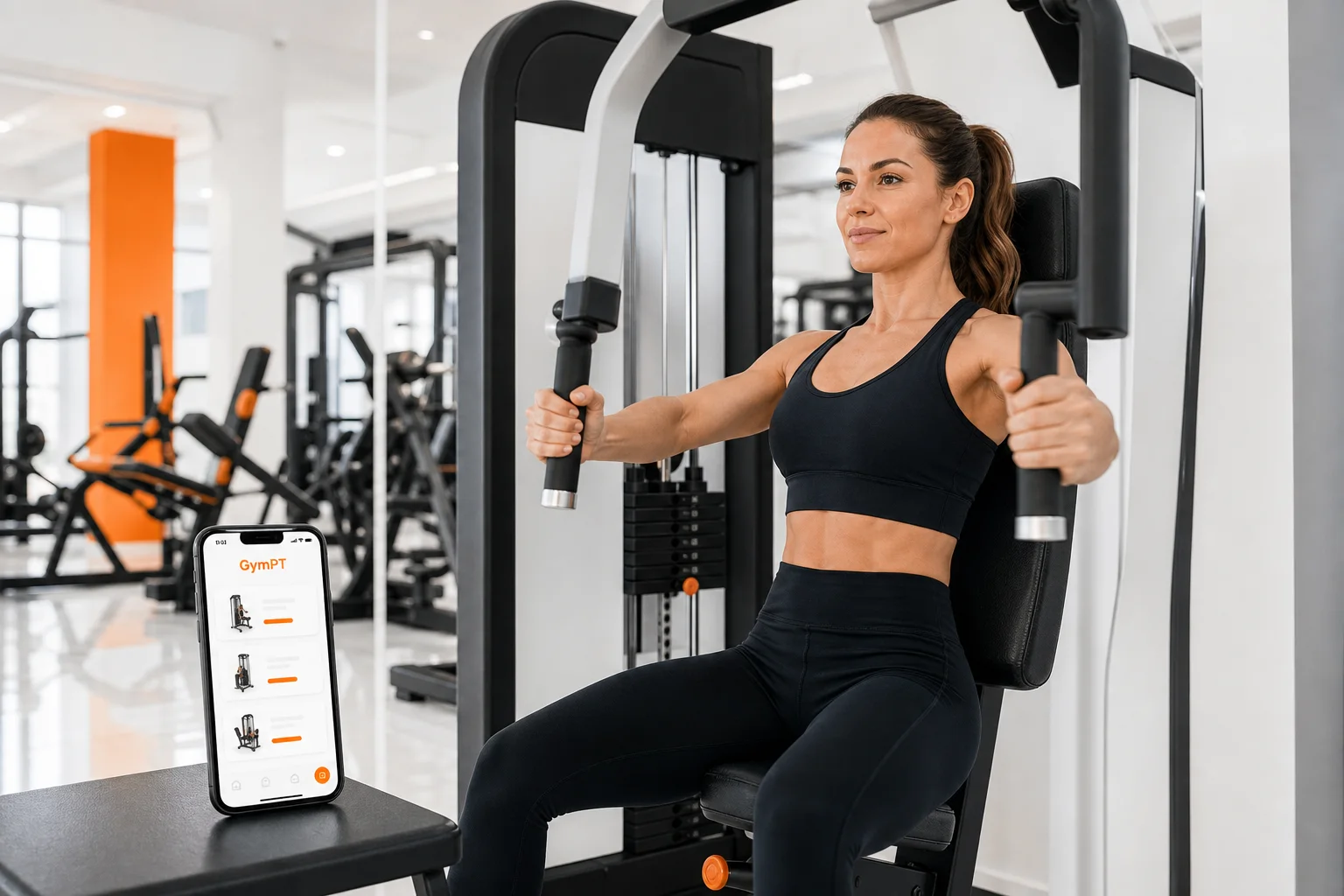
A machine based workout plan can make strength training much easier to start and much easier to repeat. Instead of choosing exercises randomly, you build each session around the machines you can actually access, then organize them around your goal, training frequency, and experience level.
That matters because the best workout plan is not only effective on paper. It also needs to be practical in your real gym. If your plan depends on equipment that is always busy, unavailable, or unfamiliar, following it becomes unnecessarily difficult. Matching exercises to available equipment removes that friction and gives you a clearer path from warm-up to final set.
What is a machine-based workout plan?
A machine-based workout plan is a structured resistance-training routine built primarily around selectorized, cable, plate-loaded, or guided gym machines. The plan may still include free weights, bodyweight movements, or cardio, but machines provide most of the resistance exercises.
Common examples include:
- Leg press, leg curl, and leg extension machines for lower-body training
- Chest press, shoulder press, and pec-deck machines for pushing muscles
- Lat pulldown and seated row machines for back training
- Cable stations for adjustable pulling, pressing, and isolation exercises
- Assisted pull-up and dip machines for supported bodyweight patterns
Machines guide the movement through a defined path, which can make exercise setup more straightforward. They may also make it easier to focus on the target movement without managing as many balance and coordination demands as some free-weight exercises.
That does not mean machines are automatically better than free weights. Current resistance-training guidance suggests that the equipment type itself does not consistently determine results for the average healthy adult. The more useful question is whether the exercise fits your body, goal, experience, available equipment, and ability to train consistently.
Why match your workout plan to the equipment you have?
1. It reduces decision fatigue
Walking into a gym without a plan can lead to wasted time and random exercise choices. A machine-based routine gives you a defined list of movements, an exercise order, and a target number of sets and repetitions.
You do not need to ask yourself what to train every few minutes. You simply move through the session and record the work you complete.
2. It makes your routine easier to follow
A workout plan should fit your environment. If you train at a commercial gym with plenty of machines, using those machines can create a more realistic routine than copying a program designed around a barbell, squat rack, or specialty equipment you rarely use.
Practical consistency is an important part of progress. A good plan that you can repeat is usually more useful than an impressive plan that is difficult to follow.
3. It can simplify exercise setup
Many machines allow you to adjust the seat, pad, handle, or weight stack before starting. Once the setup is correct, the movement may feel more predictable from set to set. Selectorized machines can also make changing resistance relatively quick, which helps keep a session organized.
Always follow the machine’s adjustment instructions and use a controlled range of motion. A guided path does not remove the need for good positioning or sensible loading.
4. It makes tracking clearer
When you regularly use the same machines, you can monitor the variables that matter: selected weight, repetitions, sets, range of motion, and perceived effort. Over time, those records help you decide when to add a small amount of resistance, complete an extra repetition, or maintain the same load while improving control.
GymPT can help organize this process by building workouts around your available equipment and tracking your completed sessions. That makes your plan more responsive to what you actually do rather than what you intended to do.
How to build a machine based workout plan
Step 1: Identify your equipment
Start with an honest list of what is available and what you feel comfortable using. Your list could include:
- Leg press or hack squat
- Leg curl and leg extension
- Chest press and shoulder press
- Lat pulldown and seated row
- Cable station
- Assisted pull-up or dip machine
- Cardio machines for warm-ups or conditioning
Also note equipment that is often busy. If a certain machine is unavailable during your normal training time, choose a backup exercise that trains a similar movement pattern.
Step 2: Choose your weekly schedule
For many people, two or three strength sessions per week are a realistic starting point. General physical-activity guidance recommends muscle-strengthening activity on at least two days per week, with exercises that involve the major muscle groups.
Your schedule can be full body, upper body and lower body, or a simple push-pull-legs structure. Beginners often benefit from repeating the major movement patterns more frequently instead of assigning every muscle to a separate day.
Step 3: Cover the major movement patterns
A balanced machine workout routine should not be built only around the machines you enjoy most. Try to include a combination of:
- Knee-dominant work: leg press, hack squat, or leg extension
- Hip-dominant work: seated or lying leg curl, cable pull-through, or a suitable hip-extension machine
- Horizontal pushing: chest press or cable press
- Vertical pushing: shoulder press
- Horizontal pulling: seated row or supported row
- Vertical pulling: lat pulldown or assisted pull-up
- Core training: cable anti-rotation work, controlled trunk flexion, or machine-based core exercises
You do not need every movement in every session. The goal is to train the major muscle groups across the week while keeping the plan manageable.
Step 4: Put demanding exercises first
Start with movements that use more muscle groups or require more effort. For example, a session might begin with leg press, chest press, or lat pulldown before moving to leg curls, lateral raises, or triceps work.
This order lets you perform the exercises that matter most while you are less fatigued. It also gives smaller isolation exercises a clear place later in the workout without allowing them to consume the entire session.
Step 5: Choose a manageable amount of work
A practical beginner machine workout may include five to seven exercises, with one to three working sets per movement. You can use a moderate repetition range such as 8 to 15 repetitions for many machine exercises, adjusting based on the movement and your goal.
Use a load that allows you to complete the planned repetitions with controlled technique. You should feel that the set is challenging, but you do not need to take every set to complete muscular failure.
Example three-day machine workout plan
The following example is a general template, not a substitute for individualized coaching. Adjust the exercises based on your gym, experience, and comfort with each machine.
Day 1: Full body emphasis
- Leg press: 2–3 sets of 8–12 repetitions
- Chest press: 2–3 sets of 8–12 repetitions
- Seated row: 2–3 sets of 8–12 repetitions
- Leg curl: 2 sets of 10–15 repetitions
- Shoulder press: 2 sets of 8–12 repetitions
- Core machine or cable core exercise: 2 sets of 10–15 repetitions
Day 2: Lower body and pulling
- Hack squat or leg press: 3 sets of 8–12 repetitions
- Lat pulldown: 3 sets of 8–12 repetitions
- Leg extension: 2 sets of 10–15 repetitions
- Seated or lying leg curl: 2–3 sets of 10–15 repetitions
- Supported row: 2 sets of 8–12 repetitions
- Calf raise machine: 2–3 sets of 10–15 repetitions
Day 3: Upper body and full-body accessories
- Chest press: 3 sets of 8–12 repetitions
- Lat pulldown or assisted pull-up: 3 sets of 8–12 repetitions
- Shoulder press: 2 sets of 8–12 repetitions
- Cable or machine lateral raise: 2 sets of 10–15 repetitions
- Triceps pressdown: 2 sets of 10–15 repetitions
- Cable curl or biceps curl machine: 2 sets of 10–15 repetitions
Leave at least one rest day between full-body sessions when possible. If you are new to resistance training, begin with fewer sets and focus on learning the machine setup and movement pattern.
How to progress with machine strength training
A machine based workout plan still needs progression. Progression does not always mean adding weight every session. You can improve by:
- Completing more repetitions with the same load
- Adding a small amount of resistance while keeping technique controlled
- Adding a set when your current workload feels manageable
- Using a smoother tempo and fuller comfortable range of motion
- Reducing unnecessary rest time without rushing your technique
- Repeating the exercise consistently so your performance becomes easier to compare
A simple approach is to work within a repetition range. For example, if your target is 8 to 12 repetitions, keep the same resistance until you can complete 12 repetitions across all planned sets with good control. Then increase the load slightly and return to the lower end of the range.
Keep a record of the machine name, seat or pad setting, weight, repetitions, and notes about difficulty. Small setup details can make a meaningful difference when you repeat an exercise weeks later.
How to handle busy or unavailable machines
Even the best equipment-based workout plan needs alternatives. Create one backup for each major movement pattern:
- Leg press unavailable: use a hack squat, supported squat variation, or split squat
- Chest press unavailable: use a cable press, dumbbell press, or push-up variation
- Seated row unavailable: use a cable row or supported dumbbell row
- Lat pulldown unavailable: use an assisted pull-up or another vertical-pull station
- Leg curl unavailable: use a different curl machine or a controlled hip-hinge variation
The replacement does not need to look identical. It should simply train a similar pattern and fit your ability level. This flexibility keeps you from abandoning the session when one machine is occupied.
Common mistakes to avoid
Choosing machines only because they feel easy
Comfort matters, but your plan should still cover the major muscle groups. Include both compound machine movements and smaller isolation exercises.
Ignoring machine setup
Seat height, back-pad position, handle placement, and range of motion affect how an exercise feels. Adjust the machine before loading it, and stop if the movement causes sharp or unusual pain.
Changing exercises too often
Variation can be useful, but changing every exercise every week makes progress harder to evaluate. Keep key movements stable for several weeks unless the equipment, setup, or movement is not working for you.
Using more weight than you can control
A guided machine path does not make momentum a good strategy. Choose a resistance that lets you control both the lifting and lowering phases.
Make your equipment work for you
The most useful machine-based workout plan is one that matches your actual gym, schedule, goal, and training experience. Machines can make exercise selection more approachable, but the plan still needs balance, progression, and consistent tracking.
GymPT helps turn your available equipment into a structured routine. You can use it alongside a workout plan for your first month at the gym, explore a dumbbell workout plan when machines are busy, or use a fitness progress app approach to review your performance over time. If building muscle is your primary goal, a hypertrophy workout plan can help you think more carefully about weekly volume and exercise organization.
Start with the equipment you can access consistently, train the major movement patterns, and make small improvements that you can measure. That is how a simple gym setup becomes a repeatable training system.