fat loss workout plan
Fat Loss Workout Plan: A Sustainable 4-Week Training Routine
A sustainable fat loss workout plan combines resistance training, manageable cardio, recovery, and consistent progress tracking. Use this four-week framework to build a routine you can maintain.
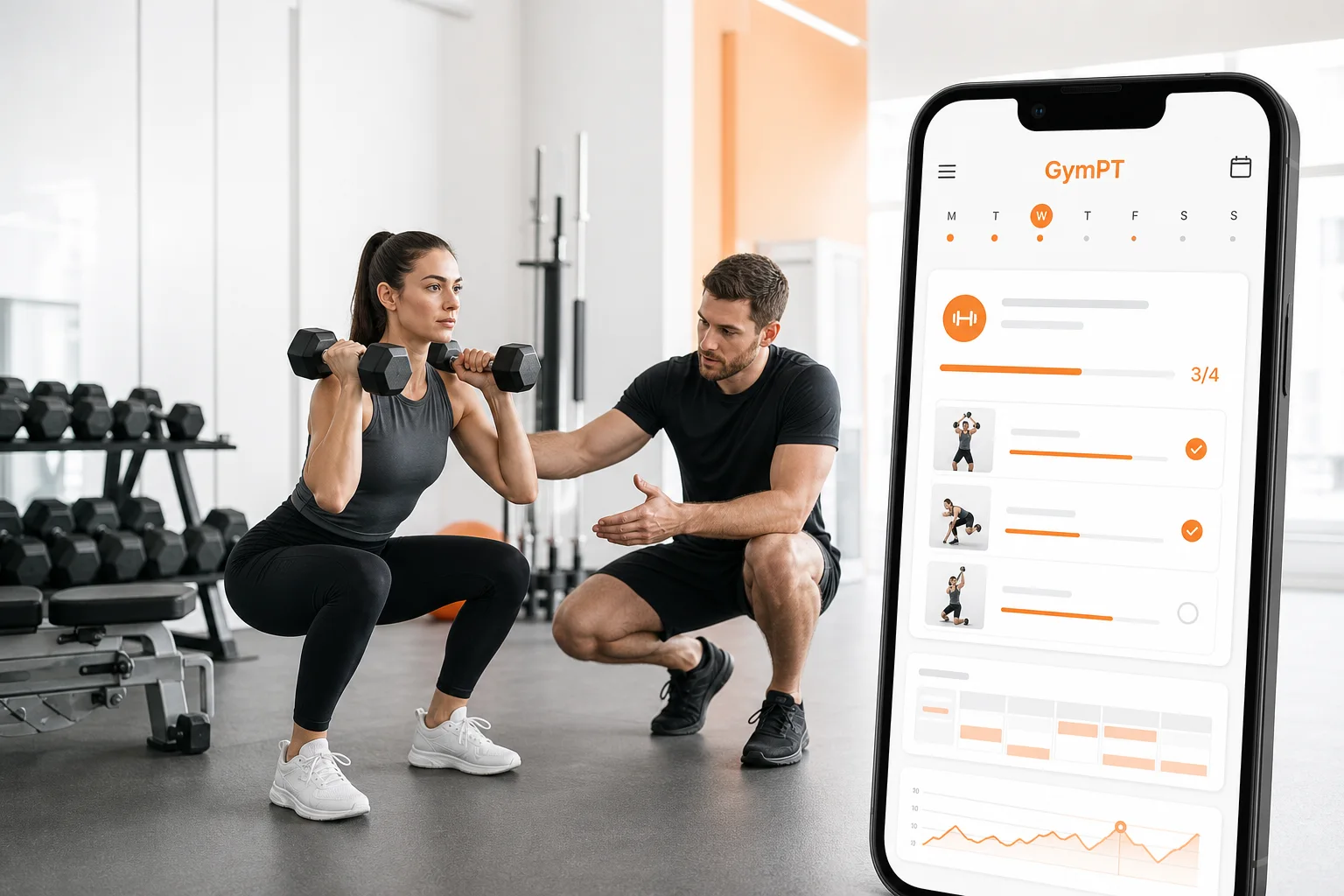
A useful fat loss workout plan should do more than burn calories during a single session. It should help you train consistently, maintain strength, improve fitness, and fit realistically into your week.
Fat loss is influenced by nutrition, daily movement, sleep, stress, and training. Exercise can support a calorie deficit, but the best routine is not necessarily the hardest one. It is the plan you can repeat, recover from, and adjust as your fitness and schedule change.
What makes a fat loss workout plan effective?
A practical plan usually combines three training elements:
- Resistance training: Helps you build or maintain muscle while improving strength and movement quality.
- Aerobic activity: Adds energy expenditure and develops cardiovascular fitness through walking, cycling, jogging, rowing, or similar activities.
- Daily movement: Steps, active commuting, household tasks, and short walks can make your overall activity level more consistent.
Adults are generally advised to accumulate at least 150 minutes of moderate-intensity aerobic activity per week, or an equivalent amount of vigorous activity, alongside muscle-strengthening work on at least two days. That is a useful health baseline, not a requirement to force every workout to be intense.
For fat loss, training works best when it supports—not fights against—your nutrition strategy. You do not need to earn every meal with exercise. Instead, aim for a moderate, repeatable approach that leaves enough energy for your next session.
A balanced 4-week fat loss workout plan
This routine uses four training days, with optional low-intensity movement on the other days. You can perform it at home or in a gym by choosing the exercise variation that matches your available equipment.
Weekly schedule
- Monday: Full-body strength workout A
- Tuesday: Moderate cardio or brisk walking
- Wednesday: Rest or easy movement
- Thursday: Full-body strength workout B
- Friday: Optional cardio intervals or steady cardio
- Saturday: Full-body strength workout C or a longer walk
- Sunday: Rest and recovery
If four training days do not fit your life, complete the two strength sessions and add walking when possible. A smaller plan performed consistently is more useful than an ambitious schedule that lasts one week.
Workout A: Squat, push, pull, and core
- Squat variation: 3 sets of 8–12 repetitions
- Push-up or chest press: 3 sets of 8–12 repetitions
- Row variation: 3 sets of 8–12 repetitions
- Romanian deadlift or hip hinge: 2–3 sets of 8–12 repetitions
- Plank: 3 sets of 20–45 seconds
Choose a load that allows you to complete the final repetitions with controlled technique. Stop the set if your form breaks down rather than chasing fatigue for its own sake.
Workout B: Hinge, press, lunge, and carry
- Deadlift or kettlebell deadlift: 3 sets of 6–10 repetitions
- Overhead press: 3 sets of 8–12 repetitions
- Reverse lunge: 3 sets of 8–10 repetitions per side
- Lat pulldown, assisted pull-up, or band pulldown: 3 sets of 8–12 repetitions
- Loaded carry or suitcase hold: 3 rounds of 20–40 seconds
Use a lighter variation if balance or joint control is limiting the movement. For a home fat loss workout, a backpack, resistance band, or pair of dumbbells can provide enough resistance for many exercises.
Workout C: Full-body volume and conditioning
- Step-up or split squat: 3 sets of 8–12 repetitions per side
- Incline push-up or dumbbell press: 3 sets of 8–12 repetitions
- Single-arm row: 3 sets of 10–12 repetitions per side
- Glute bridge or hip thrust: 3 sets of 10–15 repetitions
- Dead bug or side plank: 3 sets per side
Rest for roughly 60–120 seconds between most sets. You can shorten rest periods for smaller accessory exercises, but do not reduce rest so much that every set becomes rushed.
How to add cardio without overtraining
Cardio does not need to mean exhausting interval sessions. Start with one or two manageable sessions each week:
- Steady session: Walk, cycle, row, or jog for 25–40 minutes at an intensity where you can speak in short sentences.
- Short interval session: After warming up, alternate 30–60 seconds at a challenging pace with 60–120 seconds of easy movement for 6–10 rounds.
- Low-impact option: Use incline walking, cycling, swimming, or an elliptical trainer if running creates too much impact or soreness.
During week one, choose the steady option. If you recover well, introduce intervals in week two or three. You do not need high-intensity cardio every day to make progress.
How to progress over four weeks
The goal is not to make every workout harder at once. Progress one variable at a time:
Week 1: Establish consistency
Complete two or three strength sessions with conservative loads. Learn the movement patterns and record your repetitions, sets, and how difficult each exercise felt.
Week 2: Add controlled volume
Add one or two repetitions to selected exercises, or add a set to one movement if recovery has been good. Keep at least one or two repetitions in reserve on most sets.
Week 3: Increase the challenge
Increase resistance slightly, choose a harder bodyweight variation, or extend one cardio session by five to ten minutes. Do not increase load and cardio volume dramatically in the same week.
Week 4: Review and adjust
Repeat key workouts and compare your performance with week one. If you feel unusually fatigued, reduce sets by around one-third for several sessions. A planned lighter week can help you continue training rather than needing an unplanned break.
How to make the plan support fat loss
Training is only one part of the process. A sustainable approach to the calorie deficit and exercise relationship includes the following habits:
- Prioritize protein-rich meals: Include a practical protein source at meals to support recovery and fullness.
- Build meals around minimally processed foods: Vegetables, fruit, whole grains, legumes, and other filling foods can make a moderate calorie reduction easier to maintain.
- Track enough to learn: Food logging is optional, but monitoring meals, steps, workouts, or body measurements can reveal patterns.
- Protect sleep: Poor sleep can make training feel harder and may increase cravings or reduce daily movement.
- Avoid compensating for workouts: Feeling hungry after training is normal, but automatically eating back every estimated exercise calorie can reduce your overall deficit.
Weight can fluctuate from hydration, sodium, digestion, stress, and training-related changes. Review trends over several weeks instead of judging your plan from one weigh-in.
What to track besides body weight
A stronger progress system uses several signals:
- Weekly average body weight, if weighing is appropriate for you
- Waist or other consistent body measurements
- Workout repetitions, resistance, and exercise quality
- Daily steps or general activity
- Energy, sleep, soreness, and motivation
- How clothing fits and how daily movements feel
Body analysis and progress insights can help organize these signals, but they should support your decisions rather than create pressure. If performance is improving and measurements are changing slowly, the plan may be working even when day-to-day weight is inconsistent.
Common mistakes to avoid
Doing only high-intensity workouts
Hard sessions can be useful, but using them as the foundation of every workout often creates excessive soreness and poor recovery. Combine challenging sessions with strength training, walking, and easier cardio.
Changing the plan every week
Constantly switching exercises makes it difficult to measure progress. Keep the main movement patterns stable for at least four weeks while adjusting equipment or difficulty when needed.
Using exercise as punishment
A workout should help you become fitter and more capable, not compensate for eating or create guilt. Choose training that you can repeat without dreading the next session.
Ignoring equipment and schedule limitations
A plan that requires machines you cannot access will not be sustainable. Match each exercise to your real environment, whether that means a full gym, dumbbells, resistance bands, or bodyweight movements.
How GymPT can personalize your routine
A general fat loss workout routine is a starting point. Your best version depends on your training level, available equipment, schedule, exercise preferences, and recovery.
GymPT can help turn those details into a more personal weekly plan. You can use equipment-based exercise selection, AI coach chat for practical questions, body analysis, workout tracking, and progress insights to make your training easier to follow and adjust.
Start with a routine you can complete consistently. Build strength, add manageable cardio, monitor your response, and make small changes when your schedule or recovery changes. That process is less dramatic than an extreme challenge, but it is far more likely to support lasting progress.