body analysis fitness app
Body Analysis Fitness App: How to Use Your Data for Smarter Training
A body analysis fitness app can help you understand trends in body measurements, training performance, and progress. Here is how to use the data wisely without chasing unreliable single-day numbers.
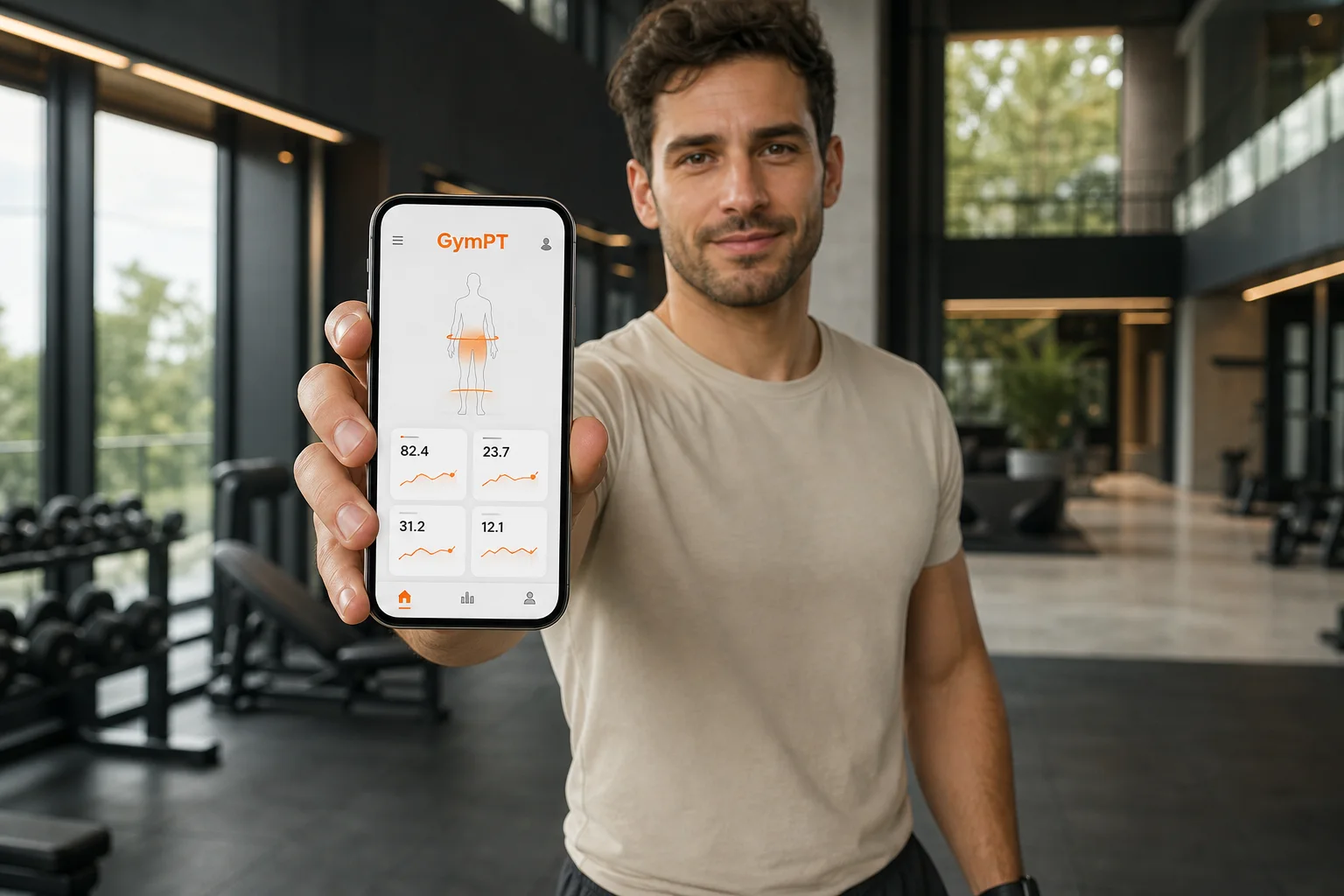
A body analysis fitness app can make progress easier to understand—but only when you use its measurements as part of a bigger picture. Body weight, estimated body fat, measurements, photos, workout performance, and recovery can all tell you something different about how your training is going.
The challenge is knowing which numbers deserve attention, which are only rough estimates, and how to turn the information into practical training decisions. A useful app should not make you obsess over a single reading. It should help you notice trends, adjust your workouts, and stay consistent.
What does a body analysis fitness app actually do?
Most body analysis features use information such as your height, weight, age, training goals, measurements, or progress photos to create an estimate of your current starting point. Depending on the app, the analysis may also organize your data into categories such as body composition, proportions, training focus, or progress over time.
It is important to understand the difference between measurement and estimation. A scale measures body weight directly. A tape measure records a circumference. An app may use those inputs, along with an algorithm, to estimate body fat percentage, muscle mass, or other body-composition values.
Those estimates can be useful for spotting broad changes, but they are not a medical diagnosis and should not be treated as laboratory results. The best use of an app is to combine body analysis with real training evidence: Are you lifting more? Completing more repetitions? Moving with better control? Recovering well enough to train consistently?
Why one body analysis result is rarely enough
Body-composition readings can change because of hydration, food intake, exercise, posture, temperature, and the measurement method itself. Even when a device or app produces the same result repeatedly, it may still have a systematic bias compared with a more advanced assessment method.
That is why a single reading should not determine whether your workout plan is working. Instead, compare measurements collected under similar conditions and look for a trend across several weeks.
Use consistent conditions
- Measure at a similar time of day.
- Use the same device, camera setup, or measurement method.
- Keep clothing, posture, and lighting as consistent as practical.
- Avoid comparing a reading taken immediately after a hard workout with one taken after rest.
- Record results on a regular schedule instead of checking multiple times per day.
Consistency does not make an estimate perfect. It makes comparisons more useful. If the conditions are similar, changes are more likely to reflect a real trend rather than normal short-term variation.
What data should you track besides body composition?
A strong body composition app should support more than visual analysis. Your training data provides important context for interpreting changes in body weight or measurements.
1. Workout performance
Log exercises, sets, repetitions, resistance, and perceived effort. If you are gradually performing more work with good technique, that is meaningful progress—even if body weight has not changed.
2. Body measurements
Waist, hip, chest, arm, and thigh measurements can add context to the scale. Take them consistently and avoid treating small changes as meaningful before enough time has passed.
3. Progress photos
Photos can help you notice changes that are difficult to see day to day. Use the same pose, distance, lighting, and clothing where possible. Photos are most useful as a private trend-tracking tool, not as a comparison with other people.
4. Energy and recovery
Note how you feel before and after training, how well you sleep, and whether soreness is interfering with your next session. A plan that produces impressive numbers but leaves you unable to train consistently may need adjustment.
5. Training consistency
The number of sessions you complete is often more actionable than a short-term body-composition estimate. Consistent training, adequate recovery, and sustainable eating habits create the foundation for long-term progress.
How GymPT turns body analysis into training decisions
GymPT is designed to connect assessment with action. Instead of viewing body analysis as a final score, you can use it as one input when building a more practical routine.
For example, your goals, experience, available equipment, schedule, and training history can all affect the type of workout that makes sense. Someone training at home with adjustable dumbbells needs different exercise options from someone using a fully equipped gym. Someone with three available training days also needs a different weekly structure from someone training five days.
GymPT combines these details with personalized workout planning, equipment-based training, workout tracking, progress insights, and AI coach chat. That makes the process more useful than simply checking a number and guessing what to do next.
If your current routine feels generic, start with a personalized workout plan that reflects your goal and schedule. If your equipment changes from week to week, an equipment-based workout plan can help you choose realistic exercise variations.
Four practical ways to use AI body analysis
1. Establish a starting point
Use your first analysis to document where you are now, not to judge your body. Record your current measurements, training experience, available equipment, and main objective. A clear starting point makes future comparisons more meaningful.
2. Choose a measurable training goal
Body-composition goals can be difficult to evaluate quickly. Pair them with performance or consistency goals such as completing three workouts each week, improving a key lift, or increasing repetitions with controlled form.
3. Review trends at reasonable intervals
Daily changes can be noisy. A weekly or biweekly review is usually more useful than reacting to every fluctuation. Look at several signals together: measurements, workout completion, performance, energy, and how your clothes fit.
4. Adjust one variable at a time
If progress has stalled, avoid changing everything at once. You might adjust exercise selection, weekly training volume, rest periods, or schedule. Making one deliberate change helps you understand what is actually working.
What to look for when choosing a body analysis fitness app
Not every app handles body data equally well. Before choosing one, look for features that encourage useful habits rather than unrealistic promises.
- Clear explanations: The app should explain whether a result is measured or estimated.
- Trend tracking: You should be able to compare progress over time rather than only viewing the latest result.
- Training integration: Body analysis should connect to workouts, not exist as an isolated dashboard.
- Equipment awareness: Exercise suggestions should reflect the equipment you can actually use.
- Flexible goals: The app should support strength, muscle building, general fitness, conditioning, or sustainable fat loss without promising guaranteed transformations.
- Actionable coaching: Insights should help you decide what to do next.
- Privacy-minded design: If you upload photos or personal measurements, review how the app handles your information before using the feature.
A fitness progress tracking system is most valuable when it helps you maintain perspective. If the app encourages you to change your plan after every small fluctuation, it may create confusion. If it helps you compare consistent data and make gradual adjustments, it can become a useful training companion.
Common mistakes to avoid
Chasing a precise body-fat number
Consumer estimates can have meaningful error, especially when measurement conditions or algorithms differ. Focus on direction and context instead of treating a percentage as exact.
Using photos as a promise of results
Progress photos can document change, but they cannot guarantee what your body will look like after a specific period. Lighting, posture, camera angle, and water balance can all affect appearance.
Ignoring performance
A stronger, more capable body is one important outcome of training. Track what you can do, not only what an app estimates about your appearance.
Changing plans too quickly
Training adaptations take time. Give a well-structured routine enough time to evaluate unless pain, excessive fatigue, or another clear issue requires an earlier adjustment.
Build a better feedback loop with GymPT
The best body analysis fitness app is not the one with the most numbers. It is the one that helps you understand your current starting point, choose realistic workouts, and make better decisions over time.
Use body analysis as a reference—not a verdict. Combine it with consistent workout logging, performance trends, recovery notes, and a plan that matches your real life. GymPT helps bring those pieces together through personalized training, AI coach support, equipment-based exercise selection, and progress insights.
Ready to make your data more useful? Learn how a gym workout plan app can simplify training decisions, or explore workout progress tracking for a more complete view of your results.