AI gym coach
AI Gym Coach: How to Use AI for Smarter, More Consistent Training
An AI gym coach can make training more personalized and easier to follow. Learn what AI can realistically do, where it helps most, and how to use it well with GymPT.
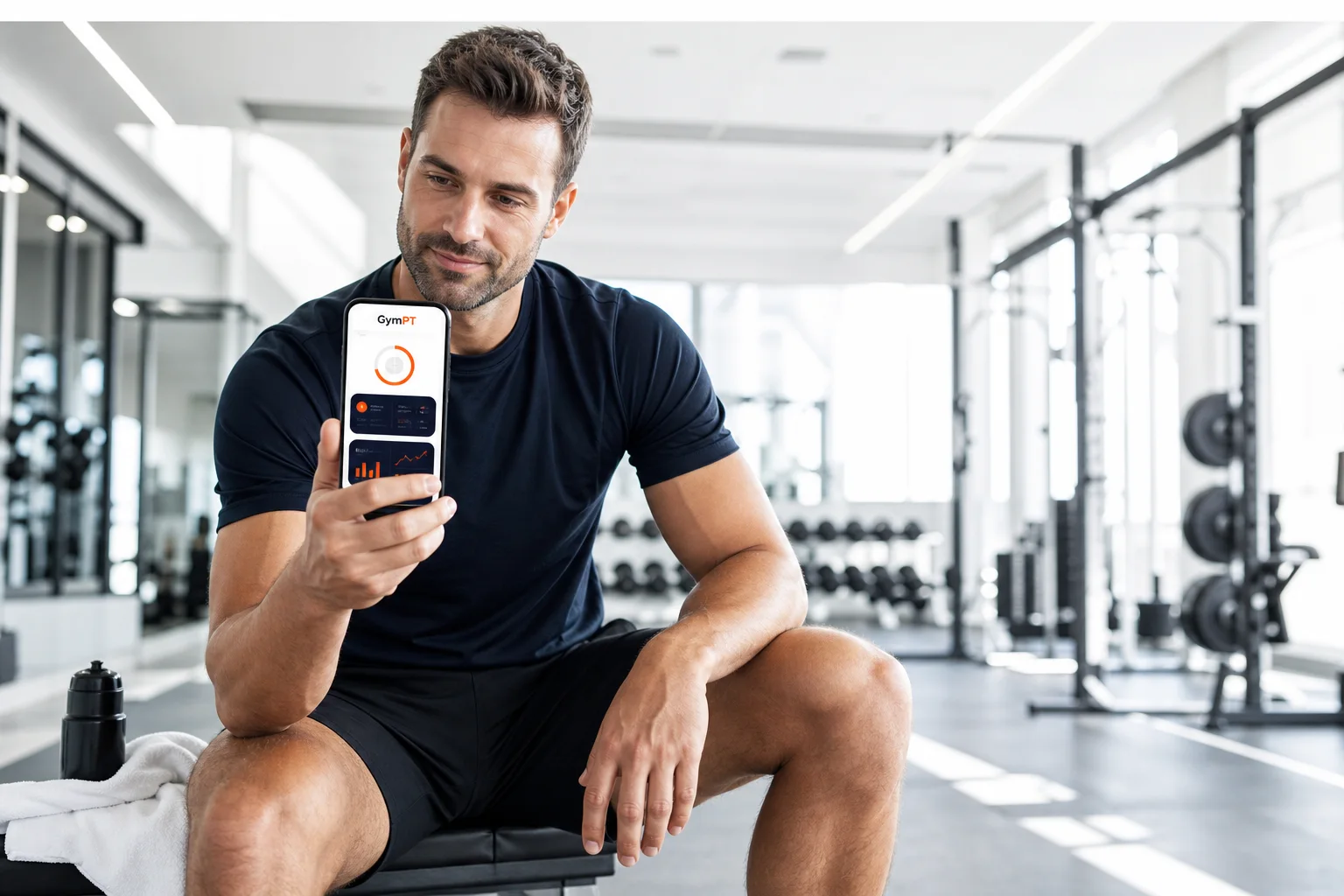
An AI gym coach can help turn a vague fitness goal into a practical training routine. Instead of searching for a new workout every day, you can receive a structured plan based on your goals, schedule, experience, available equipment, and recent performance.
That does not mean AI replaces a qualified personal trainer, medical professional, or your own judgment. The most useful role for AI is more practical: it helps organize decisions, reduce friction, and give you a clearer next step when motivation, time, or training experience is limited.
GymPT is designed around that role. It can create personalized workout plans, support coach-style chat, analyze body measurements or images, adapt sessions to available equipment, record completed workouts, and turn training history into useful progress insights.
What does an AI gym coach actually do?
An AI gym coach uses the information you provide to make training recommendations. Depending on the app, that may include your primary goal, training frequency, experience level, preferred exercises, available equipment, session length, and feedback from previous workouts.
In practice, the process usually has four parts:
- Plan: Build a weekly routine around your goal and schedule.
- Guide: Explain exercises, sets, repetitions, rest periods, and technique cues.
- Adapt: Adjust the plan when your equipment, availability, performance, or preferences change.
- Track: Use completed sessions and performance history to make future workouts more relevant.
This is different from a static exercise library. A library gives you options. An AI coach attempts to connect those options into a repeatable process.
Where an AI gym coach can be genuinely useful
1. Turning goals into a weekly structure
“I want to build muscle” or “I want to get stronger” is not yet a complete program. You still need to decide how often to train, which movement patterns to include, how much work to perform, and how to progress over time.
An AI coach can help translate a broad goal into a manageable schedule. For example, someone with three available sessions may receive a full-body plan, while someone training four days per week may use an upper-lower or push-pull-legs structure.
The important point is not that one split is universally best. The better choice is the structure you can perform consistently and recover from. Current resistance-training guidance emphasizes regular participation and individualization over unnecessarily complicated programming.
2. Making limited equipment less limiting
A good plan should work with the equipment you actually have. If your gym is crowded, your home setup is small, or a particular machine is unavailable, an AI fitness coach can suggest substitutions based on the same movement pattern or training objective.
For example, a machine chest press might be replaced with dumbbell pressing, push-ups, or a resistance-band variation. A cable row might be replaced with a dumbbell row or supported row. The exact choice depends on your experience, comfort, and equipment.
This is one reason equipment-aware planning matters. A workout that looks excellent on paper is not useful if half of its exercises are unavailable when you arrive.
3. Reducing decision fatigue
Many people do not stop training because they lack information. They stop because every session requires too many decisions. What should I do today? How many sets? Should I add weight? What if I only have 25 minutes?
An AI gym coach can provide a ready-to-follow session while still allowing adjustments. That makes it easier to move from intention to action. You can spend more energy performing the workout and less time assembling one from scratch.
4. Using feedback instead of pretending every day is identical
Your performance can change with sleep, stress, recent training, nutrition, and general readiness. A rigid plan may tell you to use the same load regardless of how you feel or perform that day.
AI-supported coaching can make training more flexible by considering completed repetitions, perceived difficulty, missed sessions, and recent progress. This reflects the broader coaching principle of autoregulation: adjusting training based on performance or readiness rather than following fixed numbers blindly.
That does not mean reducing every difficult workout. It means using feedback intelligently. On a strong day, you may be ready to progress. On a difficult day, maintaining good technique with a slightly lighter load may be the more productive choice.
How to use an AI gym coach without overtrusting it
The best results come when you treat AI as a decision-support tool, not an unquestionable authority.
Start with accurate information
Your plan is only as useful as the information behind it. Be specific about:
- How many days you can realistically train
- How long each session can last
- Your current experience level
- Any equipment you can consistently access
- Exercises you enjoy, dislike, or cannot perform comfortably
- Your main goal and secondary priorities
If your schedule changes often, say so. A realistic three-day plan is more useful than an ambitious six-day plan that you rarely complete.
Use effort feedback honestly
When an app asks how difficult a set felt, answer based on the set you actually performed. Do not mark every session as easy because you want faster progress, and do not mark every session as extremely difficult because the workout felt challenging overall.
Useful feedback can include whether you had repetitions left with good form, whether the final set slowed substantially, and whether discomfort came from normal effort or a concerning sensation. Training difficulty and pain are not the same thing.
Look for progression, not novelty
A new workout can feel productive simply because it is different. However, progress usually requires repeating key movement patterns long enough to practice them and measure improvement.
An effective AI strength-training plan should help you see whether you are gradually improving repetitions, load, control, range of motion, or consistency. It should not constantly replace exercises just to keep the program entertaining.
Keep human judgment in the loop
Stop or modify an exercise if you experience sharp pain, unusual symptoms, or a loss of control. An app cannot see every detail of your movement, understand your complete health history, or diagnose an injury.
If you are returning from an injury, managing a health condition, pregnant, or unsure whether a particular exercise is appropriate, seek individualized guidance from a qualified professional. GymPT provides fitness guidance, not medical diagnosis or treatment.
What to look for in a personalized workout app
Not every app that uses the word “AI” provides meaningful coaching. Before choosing an AI gym coach, assess the practical features behind the label.
- Goal-based planning: The app should distinguish between goals such as strength, muscle gain, general fitness, or improved consistency.
- Schedule flexibility: You should be able to train around your real availability rather than an idealized calendar.
- Equipment awareness: Plans should account for home equipment, gym access, substitutions, and unavailable machines.
- Progress tracking: Logging sets, repetitions, loads, and completed sessions creates a useful feedback loop.
- Coach interaction: Chat or explanations can help you understand why a workout is structured a certain way.
- Clear boundaries: The app should avoid exaggerated promises and make it clear that general fitness guidance is not medical care.
For a wider checklist, read Personal Trainer App Alternative: 7 Features That Actually Matter.
How GymPT fits into the coaching process
GymPT combines several features that are useful when you want more than a collection of exercises. You can begin with a goal and receive a personalized plan, then use AI coach chat to ask questions about exercise selection, substitutions, or how to approach a session.
Its equipment-based training tools can help make a routine more realistic for your environment. Workout tracking records what you actually complete, while progress insights help you review patterns instead of relying only on memory.
Body analysis can add another source of context, but it should be treated as one input rather than a complete assessment of health, athletic ability, or future results. Measurements and images can change for many reasons, so they are most useful when considered alongside performance, consistency, and how you feel during training.
If you are new to structured training, you may also benefit from AI Personal Trainer: What It Can Do, What It Cannot, and How to Use One Well.
A simple way to start with an AI gym coach
- Choose one primary goal. Keep the first training block focused instead of trying to maximize everything at once.
- Set a sustainable schedule. Pick the number of weekly sessions you can maintain during a normal month.
- List your real equipment. Include what you can access consistently, not what you might use occasionally.
- Complete the first few workouts before judging the plan. Give yourself enough sessions to learn the structure and identify practical problems.
- Log meaningful feedback. Record completed work, difficulty, exercise substitutions, and any movements that felt unsuitable.
- Review progress periodically. Look for improved consistency, better technique, more repetitions, increased load, or greater control.
For beginners who are unsure how often to train, How Many Days Should Beginners Train? A Simple Weekly Guide offers a useful starting point. If your equipment is limited, see AI Workout Plan for Limited Equipment: How to Train Effectively With What You Have.
The bottom line
An AI gym coach is most valuable when it helps you train consistently, make better-informed adjustments, and understand what to do next. It can organize a plan, explain options, adapt to equipment and schedule changes, and turn workout history into practical insights.
It cannot guarantee results, replace professional medical advice, or remove the need for good judgment. The strongest approach is a partnership: let AI handle routine planning and pattern recognition, while you provide accurate feedback, use safe technique, and decide when a qualified human professional is needed.
With that mindset, GymPT can become a useful part of your training system—not because it promises a perfect workout, but because it helps make a sensible workout easier to follow.