how many days should beginners train
How Many Days Should Beginners Train? A Simple Weekly Guide
Most beginners should start with two or three training days per week. Learn how to choose the right schedule, structure simple workouts, and progress without burning out.
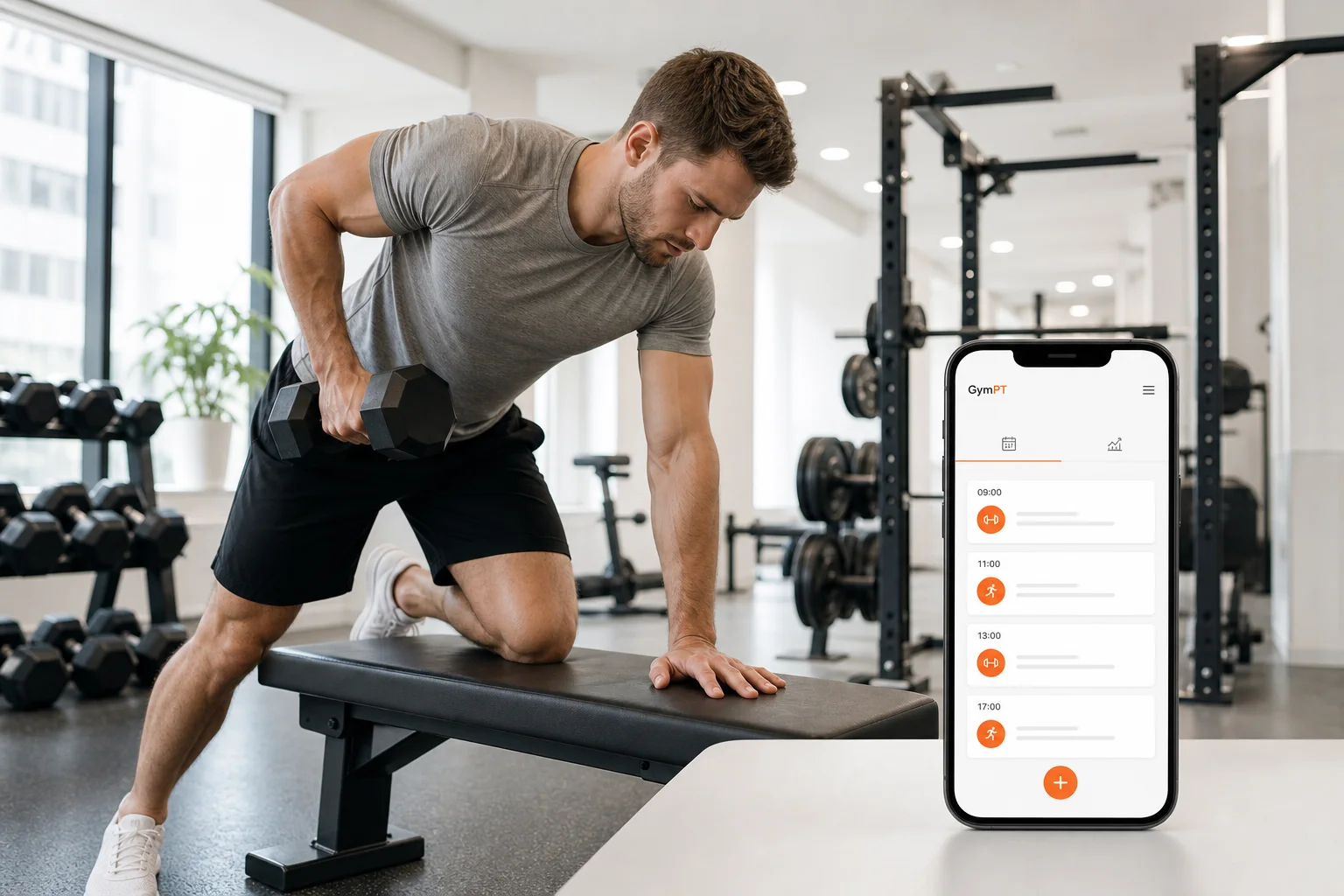
How many days should beginners train? For most people starting resistance training, two or three workouts per week is a practical starting point. That frequency gives you enough practice to build consistency while leaving time for recovery, everyday movement, and learning good exercise technique.
You do not need to train every day to make progress. In fact, doing too much too soon is one of the most common beginner mistakes. A simple plan that you can repeat for several weeks is usually more effective than an ambitious schedule that leaves you exhausted after the first few sessions.
How many days should beginners train each week?
A good beginner training schedule usually looks like this:
- Two days per week: A strong option if you are completely new, busy, or returning after a long break.
- Three days per week: A useful next step for most beginners who can recover well between sessions.
- Four or more days per week: Possible, but usually unnecessary at the beginning unless the workouts are short, well-structured, and your recovery is strong.
For general health, adults are also encouraged to include regular aerobic activity and muscle-strengthening work during the week. Official guidance recommends muscle-strengthening activity on at least two days weekly, covering the major muscle groups. That does not mean you need a complicated bodybuilding split. Two or three full-body sessions can cover the basics effectively.
The best number of training days is the one that fits your current schedule, experience, energy, and recovery. A consistent two-day routine is better than a three-day plan you frequently skip.
Why two or three days works well for beginners
Beginners benefit from repeating the main movement patterns regularly without overwhelming the body. Training two or three times per week allows you to practice exercises such as squats, presses, rows, hinges, and carries while spacing sessions far enough apart to recover.
This frequency also gives you time to learn how your body responds. You may notice that some exercises feel comfortable while others require a lighter variation, less range of motion, or more coaching. Starting with fewer sessions makes it easier to adjust instead of forcing your way through fatigue.
Another benefit is consistency. A beginner does not need to chase maximum intensity in every workout. The early goal is to build a repeatable habit, improve movement confidence, and gradually handle more work over time.
Two-day beginner schedule
Train on non-consecutive days, such as Monday and Thursday or Tuesday and Saturday.
- Workout A: Full-body strength session
- Rest or light activity
- Workout B: Full-body strength session
- Optional walking, mobility, or recreational activity on other days
Three-day beginner schedule
Use a schedule such as Monday, Wednesday, and Friday. The rest day between sessions gives you a chance to recover while keeping practice frequent enough to build momentum.
- Monday: Full-body workout A
- Wednesday: Full-body workout B
- Friday: Full-body workout A or a slightly lighter variation
The following week, you can begin with workout B so both sessions receive similar attention.
What should a beginner do during each workout?
A beginner workout does not need dozens of exercises. Start with a small selection that trains the major movement patterns and can be performed with safe, controlled technique.
- Warm up: Spend five to ten minutes with easy movement and simple practice sets.
- Lower-body push: Try a bodyweight squat, goblet squat, leg press, or sit-to-stand variation.
- Upper-body push: Use an incline push-up, machine chest press, or dumbbell press.
- Upper-body pull: Choose a cable row, machine row, resistance-band row, or supported dumbbell row.
- Hip hinge: Practice a light Romanian deadlift, hip hinge drill, or machine-based alternative.
- Core and carry: Add a plank variation, dead bug, suitcase carry, or another controlled core exercise.
For many beginners, one or two comfortable sets per exercise is enough at first. Use a load that allows controlled repetitions without needing to strain or lose your position. You should finish most sets feeling that you could perform a few more good repetitions.
If you are unsure which exercises match your available equipment, GymPT can help build a plan around the equipment you have. You can also explore this AI workout plan for limited equipment for ideas when your home or gym setup is limited.
How many rest days do beginners need?
Most beginners should have at least one rest day between full-body strength workouts. Rest does not have to mean complete inactivity. Walking, gentle mobility work, or an easy recreational activity can fit well between training sessions.
A rest day is especially useful when you notice that your performance is dropping, your technique feels less controlled, or normal soreness is making everyday movement difficult. You do not have to wait until you feel perfectly fresh before every workout, but you should avoid repeatedly training hard when your body is not recovering.
Sleep, food, hydration, and stress also affect how well you recover. If your life is unusually demanding, two weekly workouts may be more appropriate than trying to force three or four.
Signs your schedule may be too demanding
- You are regularly skipping workouts because the plan feels overwhelming.
- Your technique becomes worse from set to set.
- You feel unusually tired for several days after training.
- Your joints feel irritated or you experience sharp pain.
- You are adding more sessions but not improving your performance.
These signs do not automatically mean you must stop all activity, but they are reasons to reduce training volume, choose easier exercise variations, add recovery time, or seek qualified guidance. Stop an exercise that causes sharp or concerning pain.
How to progress without doing too much
Progress does not require adding training days every week. Beginners can improve by making small changes while keeping the schedule stable.
- Improve technique: Use a controlled tempo and a comfortable range of motion.
- Add repetitions: When your current repetitions feel easy and consistent, add one or two reps within your planned range.
- Add a small amount of resistance: Increase weight only when you can maintain good form.
- Add a set carefully: Increase work on one or two exercises before changing the entire workout.
- Track your sessions: Record exercises, resistance, repetitions, and how the workout felt.
Keep the same beginner training schedule for at least a few weeks before deciding that it is not working. Changing exercises and training days constantly makes it difficult to tell whether you are actually progressing.
A workout tracking tool can make this easier. GymPT can help you follow planned sessions, record performance, and use progress insights to see trends instead of relying only on memory.
Common beginner mistakes to avoid
Starting with too many days
Training five or six days per week may look motivating, but a high frequency often adds unnecessary fatigue before you have built the habits to support it. Start with two or three days and increase only when your recovery and consistency are reliable.
Making every workout extremely hard
Hard training has a place, but beginners do not need to reach exhaustion in every set. Leave some effort in reserve so you can repeat the workout with good technique and recover for the next session.
Copying an advanced routine
Advanced routines often assume years of technique practice, work capacity, and recovery experience. A beginner plan should be shorter, simpler, and easier to adjust.
If you want to understand what makes a plan practical, read these fitness program builder features that help turn a routine into something you can actually follow.
Ignoring the equipment available
A plan is only useful if you can perform it with the equipment around you. Choose movements that match your home setup or gym access rather than forcing exercises you cannot perform safely. An equipment-based workout app can make this planning process more convenient.
Changing the plan too quickly
Beginners often switch routines because they expect dramatic changes after a few sessions. Give a manageable plan time to work, focus on steady improvements, and use your training notes to make decisions.
A simple four-week beginner progression
Here is one way to build a sustainable routine without rushing:
- Week 1: Train two days, learn the exercises, and keep the effort moderate.
- Week 2: Repeat the same schedule and aim for smoother technique.
- Week 3: Add a small number of repetitions or a modest amount of resistance where appropriate.
- Week 4: Review your workout notes and decide whether to maintain two days or add a third session.
If you choose three days, keep at least one day between full-body sessions. If you prefer two days, you can continue progressing for a long time with that schedule. More training days are not automatically better; they are simply another tool when your goals, schedule, and recovery support them.
The bottom line
For most beginners, training two or three days per week is the right starting point. Use full-body workouts, leave rest days between sessions, keep exercise choices simple, and progress gradually. Add more days only when you can recover well and stay consistent.
The most effective beginner workout frequency is not the most impressive one. It is the schedule you can follow, track, and improve over time. GymPT can help you build a personalized plan, adapt it to your equipment, chat with an AI coach, and monitor your progress as your training experience grows.
For another practical planning example, see this beginner workout generator guide and use it as a starting point for creating a routine that fits your week.