2 day workout plan for fat loss
2 Day Workout Plan for Fat Loss: A Practical Full-Body Routine
A two-day workout plan can support fat loss when it combines full-body strength training, manageable conditioning, daily movement, and a sustainable calorie deficit.
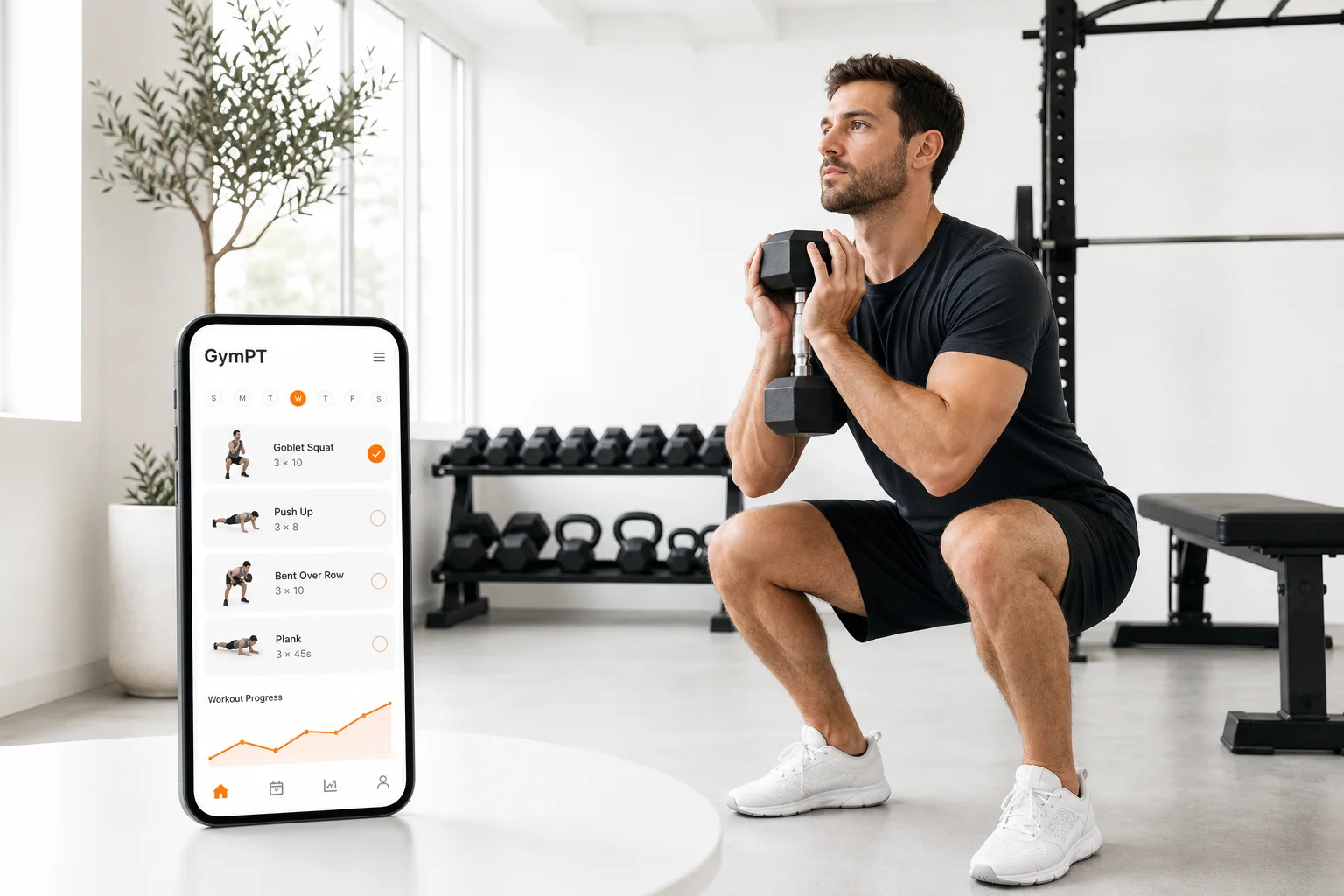
A 2 day workout plan for fat loss can be enough to create meaningful momentum, especially when you have a busy schedule or are returning to training. The key is not trying to squeeze an entire week of exercise into two exhausting sessions. Instead, use two focused full-body workouts, stay active between sessions, and support your training with an eating pattern that creates a realistic calorie deficit.
Training can help you burn energy, maintain strength, and preserve muscle while your body weight changes. However, workouts do not guarantee a specific amount of fat loss. Results depend on your overall calorie balance, daily movement, recovery, consistency, starting point, and individual response.
Can a 2 day workout plan help with fat loss?
Yes. Two weekly workouts can be effective if they train the major muscle groups and fit into a routine you can repeat. A plan that you follow consistently is more useful than a demanding five-day routine that lasts only two weeks.
For fat loss, strength training is valuable because it gives your body a reason to maintain muscle as you reduce calories. Full-body sessions also make efficient use of limited training days: your legs, back, chest, shoulders, arms, and core can all receive regular training without requiring a complicated split.
Still, fat loss is driven primarily by a sustained energy deficit. Exercise contributes to that deficit, but food and drink intake matter as well. Think of the plan as one part of a larger system rather than a promise that a particular workout will burn a fixed number of calories.
How to structure a 2 day fat loss workout
Schedule the sessions with at least one rest day between them. For example, you could train on Monday and Thursday, Tuesday and Friday, or Wednesday and Saturday. This spacing gives your muscles time to recover and leaves room for walking or other light activity on the remaining days.
Each session should include four elements:
- Warm-up: Prepare your joints and raise your body temperature with five to eight minutes of easy movement.
- Strength work: Prioritize large movement patterns such as squatting, hinging, pushing, pulling, and carrying.
- Optional conditioning: Add a short, moderate finisher if your recovery and fitness level allow it.
- Progress tracking: Record exercises, sets, repetitions, resistance, and how the workout felt.
Choose loads that let you perform each repetition with controlled technique. You should usually finish a set feeling that you could complete one or two more good repetitions. If your form breaks down, reduce the weight, shorten the range of motion temporarily, or choose an easier variation.
2 day workout plan for fat loss
This full-body workout for weight loss is designed for a gym, but most exercises can be adapted for home training with dumbbells, resistance bands, or body weight. Rest for about 60 to 120 seconds between challenging sets. Beginners can start with two sets per exercise; more experienced trainees may use three sets.
Day 1: Full-body strength and steady conditioning
- Goblet squat or bodyweight squat: 2–3 sets of 8–12 repetitions
- Dumbbell bench press or incline push-up: 2–3 sets of 8–12 repetitions
- Romanian deadlift with dumbbells: 2–3 sets of 8–12 repetitions
- One-arm dumbbell row or resistance-band row: 2–3 sets of 10–12 repetitions per side
- Reverse lunge or supported split squat: 2 sets of 8–10 repetitions per leg
- Plank: 2–3 sets of 20–45 seconds
After the strength work, finish with 10 to 20 minutes of moderate cardio. Brisk walking, cycling, rowing, or an elliptical machine are good options. Choose a pace that raises your breathing but still allows you to speak in short sentences.
Day 2: Full-body strength and optional intervals
- Leg press, front squat, or sit-to-stand: 2–3 sets of 8–12 repetitions
- Lat pulldown or assisted pull-up: 2–3 sets of 8–12 repetitions
- Dumbbell shoulder press or elevated push-up: 2–3 sets of 8–12 repetitions
- Hip thrust or glute bridge: 2–3 sets of 10–15 repetitions
- Step-up or walking lunge: 2 sets of 8–10 repetitions per leg
- Dead bug or side plank: 2–3 sets of 8–12 repetitions per side, or 20–40 seconds
If you recover well, add a short interval block after the workout. Try six rounds of 30 seconds at a challenging but controlled pace followed by 90 seconds of easy movement. Use a low-impact option such as a bike, rower, incline walk, or elliptical if running feels uncomfortable. Intervals are optional; they should not interfere with your strength training or recovery.
How to progress when you train only twice a week
Progress does not require adding a new exercise every week. Use a simple progression method:
- Begin at the lower end of the repetition range.
- Keep the same resistance until you can complete the upper end with strong technique.
- Increase the load slightly, then return to the lower end of the range.
- Track performance so you can distinguish a real plateau from a difficult day.
You can also progress by improving control, increasing range of motion, reducing unnecessary rest, or choosing a more demanding variation. Avoid increasing weight, volume, cardio intensity, and training frequency all at once. A small, repeatable improvement is more useful than a dramatic change that causes excessive soreness.
GymPT can help organize this process by adapting exercises to your available equipment, recording your sessions, and using your progress to inform future workouts. A personalized plan is especially useful when your schedule, energy, or training environment changes from week to week.
What to do on the other five days
Your two lifting sessions are the foundation, but everyday movement can make a major difference. Add low-intensity activity in ways that fit your life:
- Take a brisk walk during lunch or after dinner.
- Use short movement breaks during long periods of sitting.
- Walk for errands when practical.
- Choose stairs when they are comfortable and safe.
- Do light cycling, swimming, dancing, or recreational activity.
General activity guidance encourages adults to work toward at least 150 minutes of moderate aerobic activity per week, along with muscle-strengthening activity on at least two days. If you are currently inactive, begin with smaller amounts and build gradually. Your two workouts can cover the strength requirement, while walks and other activities help you increase total weekly movement.
You do not need to complete all your cardio in long sessions. Several short walks can add up. The best option is the one you can perform regularly without making your schedule or recovery feel overwhelming.
How calorie balance fits into a fat loss plan
Exercise supports fat loss, but a workout cannot compensate reliably for a consistently higher calorie intake. To lose body fat, your average energy intake needs to be lower than your average energy expenditure over time.
That does not mean using an extreme diet. Start with practical changes that reduce calories without leaving you constantly hungry:
- Build meals around protein-rich foods, vegetables, fruit, whole grains, or other minimally processed foods you enjoy.
- Pay attention to liquid calories, large portions, and frequent unplanned snacks.
- Prepare convenient meals so busy days do not decide your food choices for you.
- Keep enjoyable foods in your routine in portions that fit your overall plan.
- Review your progress over several weeks rather than reacting to daily scale changes.
Weight can fluctuate because of hydration, sodium, food volume, stress, sleep, and training soreness. Use multiple signals, such as waist measurements, progress photos for your own reference, workout performance, clothing fit, and weekly weight trends. Avoid setting unrealistic deadlines or expecting identical results every week.
Common mistakes with a 2 day fat loss workout
Making every session exhausting
Fat loss does not require finishing every workout completely drained. Excessive fatigue can reduce training quality and make it harder to stay active on other days. Finish most sessions feeling challenged but capable of recovering.
Using cardio instead of strength training
Cardio is useful, but replacing all resistance training with cardio may make it harder to maintain strength and muscle during a calorie deficit. Keep the major movement patterns in your week and adjust cardio around them.
Changing the plan too quickly
Give a routine enough time to become familiar. If you change exercises every session, it becomes difficult to track progression. Keep the main movements stable and make substitutions only when equipment, comfort, or skill level requires it.
Ignoring recovery
Sleep, rest days, hydration, and manageable training volume all influence how consistently you can exercise. If soreness lasts several days or performance declines repeatedly, reduce the volume or intensity before adding more work.
How to make this plan sustainable
Choose fixed training appointments, keep a short backup version for busy days, and decide in advance what equipment you will use. A 25-minute session that you complete is more valuable than a perfect 60-minute workout you regularly skip.
For a more flexible weekly structure, see the AI weekly workout planner guide. If you train at home, the AI workout planner without equipment guide can help you adapt movements to limited space. You can also compare this routine with a 2 day full body workout plan focused more broadly on strength and recovery.
GymPT can make the plan easier to follow by creating workouts around your goals, available equipment, and experience level. You can also use its AI coach chat for exercise questions, track completed sessions, and review progress insights instead of guessing what to change next.
Final takeaway
A two-day routine can support fat loss when it combines full-body strength training, regular daily movement, and a sustainable approach to calorie balance. Train both major muscle groups twice per week, progress gradually, keep cardio manageable, and measure trends rather than chasing instant results.
The most effective plan is not the one with the most exercises. It is the one that fits your life well enough to repeat for months.