2 day home workout plan
2 Day Home Workout Plan: Build Strength in Limited Space
A well-designed 2 day home workout plan can build strength, improve movement, and fit a busy schedule. Use this simple full-body routine and progression guide to train effectively with limited space.
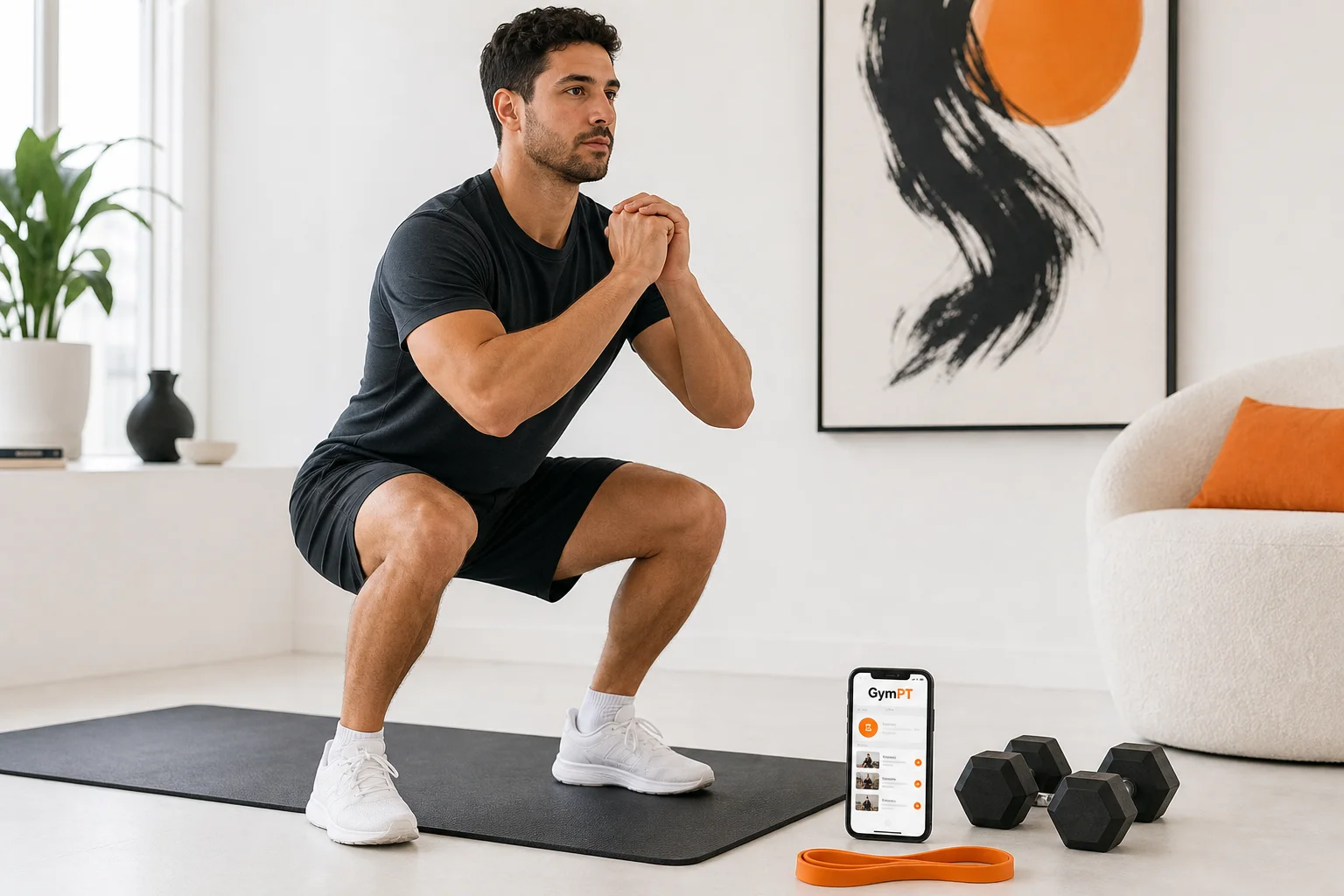
A 2 day home workout plan can be enough to build a consistent strength-training habit, especially when each session trains the major movement patterns and gradually becomes more challenging. You do not need a full gym, a large room, or complicated equipment. A clear structure, steady effort, and a way to track progress matter more.
This plan uses two full-body sessions per week. You can complete it with bodyweight alone, or add a pair of dumbbells, resistance bands, or a loaded backpack. Leave at least one rest day between sessions—for example, train on Tuesday and Friday—so you have time to recover and repeat quality work.
Why a 2 day home workout plan works
Training twice per week is a practical starting point because it is frequent enough to practice key exercises while remaining manageable for beginners and busy adults. General activity guidance recommends muscle-strengthening work on at least two days per week, with exercises that involve the major muscle groups.
The most important principle is progressive overload: over time, your muscles need a little more work than they are used to. At home, that does not always mean buying heavier weights. You can add repetitions, slow the lowering phase, increase range of motion, use a harder variation, reduce rest slightly, or add another set.
Keep most sets challenging but controlled. Finish with roughly one to three good repetitions still available rather than forcing every set to complete failure. This makes it easier to maintain technique and recover for your next session.
How to use this 2 day full body workout at home
- Frequency: Complete Workout A and Workout B once each week.
- Session length: Allow about 35 to 50 minutes, including your warm-up.
- Rest between sets: Rest 60 to 120 seconds, or longer when your breathing and technique need it.
- Equipment: Start with bodyweight. A backpack, resistance band, or dumbbells can make progression easier.
- Tempo: Use a controlled lowering phase and move smoothly through the lifting phase.
- Effort: Stop a set when your form would noticeably change or your range of motion becomes inconsistent.
Before each session, spend five to eight minutes preparing. Walk in place, perform gentle hip and shoulder movements, then complete easy practice repetitions of the first few exercises. A warm-up should prepare you for the workout rather than exhaust you.
Workout A: squat, push, pull, and core
Complete the exercises in order. If you are new to training, begin with two sets per exercise. After two or three weeks, move toward three sets when you can recover comfortably.
- Squat to a chair or bodyweight squat: 2–3 sets of 8–15 repetitions. Keep your feet stable, lower under control, and use a chair as a depth target if needed.
- Push-up variation: 2–3 sets of 6–15 repetitions. Choose wall, countertop, knee, or full push-ups based on your current ability. Keep your body in one controlled line.
- Backpack row or resistance-band row: 2–3 sets of 8–15 repetitions. Pull toward your ribs while keeping your shoulders away from your ears.
- Reverse lunge: 2–3 sets of 6–12 repetitions per side. Step back softly, keep the front foot planted, and use a wall for balance if necessary.
- Glute bridge: 2–3 sets of 10–20 repetitions. Pause briefly at the top without arching your lower back.
- Dead bug: 2–3 sets of 6–12 repetitions per side. Move slowly and keep your lower back gently connected to the floor.
For a shorter session, perform the squat, push-up, row, and dead bug. For a higher-effort session, pair exercises into simple supersets—for example, squats with push-ups and rows with glute bridges—while maintaining good form.
Workout B: hinge, press, single-leg, and stability
Workout B uses different variations so you can train the same major muscle groups without repeating the exact same movements.
- Hip hinge or Romanian deadlift: 2–3 sets of 8–15 repetitions. Hold a backpack or dumbbells if available. Push your hips back, keep your spine neutral, and stand by squeezing your glutes.
- Incline or pike push-up: 2–3 sets of 6–12 repetitions. Use an elevated surface for an easier pressing variation, or a pike position to place more emphasis on the shoulders.
- Split squat: 2–3 sets of 6–12 repetitions per side. Keep a comfortable stance and lower as far as you can while maintaining control.
- One-arm backpack row: 2–3 sets of 8–15 repetitions per side. Support one hand on a stable surface and avoid twisting your torso.
- Calf raise: 2–3 sets of 12–20 repetitions. Use a wall for balance and pause briefly at the top.
- Side plank: 2–3 sets of 15–40 seconds per side. Keep your hips lifted and choose a bent-knee version if the full position is too demanding.
If you have limited space, this routine can be completed beside a bed, desk, or open floor area. Make sure the surface is stable and clear of loose rugs, cables, or furniture that could interfere with your movement.
How to progress with limited equipment
A home strength training plan only works if the exercises gradually become more demanding. Use one progression at a time and repeat the same plan long enough to notice a trend.
1. Add repetitions within a range
Choose a repetition range, such as 8–15. When you can complete all sets near the top of the range with consistent form, make the exercise harder or add light resistance. This is simple double progression and works well for bodyweight movements.
2. Change the leverage
Move from a wall push-up to a countertop push-up, then to a lower surface and eventually a floor push-up. For squats, progress from a chair squat to a bodyweight squat, split squat, and eventually a loaded variation.
3. Increase the range of motion
A controlled, comfortable range of motion can make an exercise more challenging without additional equipment. For example, use a deeper squat, a longer split-squat stance, or a deficit-free push-up with a slightly greater range when your mobility and control allow it.
4. Add resistance carefully
A backpack filled with books, water bottles, or other secure items can provide useful resistance. Keep the load close to your body, check that the backpack is stable, and increase weight gradually rather than making a large jump.
5. Track performance, not just appearance
Record the exercise variation, sets, repetitions, and how difficult the final set felt. Progress may show up as more repetitions, smoother technique, a harder variation, shorter rest, or better consistency. These are useful training signals even when body weight does not change.
A simple weekly schedule
- Monday: Workout A
- Tuesday: Easy walking, mobility, or rest
- Wednesday: Optional light activity
- Thursday: Rest
- Friday: Workout B
- Saturday and Sunday: Walking, recreational activity, or rest
The days can change to fit your schedule. If your week becomes busy, prioritize the two strength sessions rather than trying to make up missed work with an exhausting workout. Consistency over several weeks is more valuable than one perfect session.
Common mistakes to avoid
- Changing exercises every workout: Keep the main movements stable long enough to measure improvement.
- Training too hard too soon: Start with manageable volume and add work gradually.
- Ignoring pulling movements: Include rows or band pulls to balance pressing exercises.
- Rushing every repetition: Slower, controlled repetitions make technique easier to evaluate.
- Skipping rest because the workout is at home: Recovery still matters, even when the session uses bodyweight.
- Using discomfort as the only goal: A workout does not need to leave you exhausted to be productive.
How GymPT can personalize your home routine
A generic routine is a useful starting point, but your best exercise variations depend on your goal, training experience, available equipment, schedule, and current ability. GymPT can help turn those details into a more personalized plan, suggest equipment-based alternatives, and keep your sessions organized.
Use the app to track completed workouts, review progress, and adjust the plan when an exercise is too easy, too difficult, or no longer fits your space. If you want to compare schedules, explore a 3 day home workout plan or see how a 4 day home workout plan changes weekly volume.
You can also combine this routine with a dumbbell-based AI workout planner when you add more equipment, or learn what to monitor in a workout app with progress tracking.
Final takeaway
The best 2 day home workout plan is one you can repeat, progress, and recover from. Train the major movement patterns, use exercise variations that match your current level, and record enough information to make your next week slightly more effective. With limited space and simple equipment, two focused full-body sessions can provide a strong foundation for long-term fitness.
If you have an injury, a medical condition, or uncertainty about whether a movement is appropriate for you, seek individual guidance from a qualified professional before training.