weekly workout routine for beginners
Weekly Workout Routine for Beginners: A Simple Plan That Progresses
A beginner workout plan should be simple enough to repeat and flexible enough to fit real life. Use this three-day strength routine, optional walking sessions, and gradual progression guide to build consistency without common beginner mistakes.
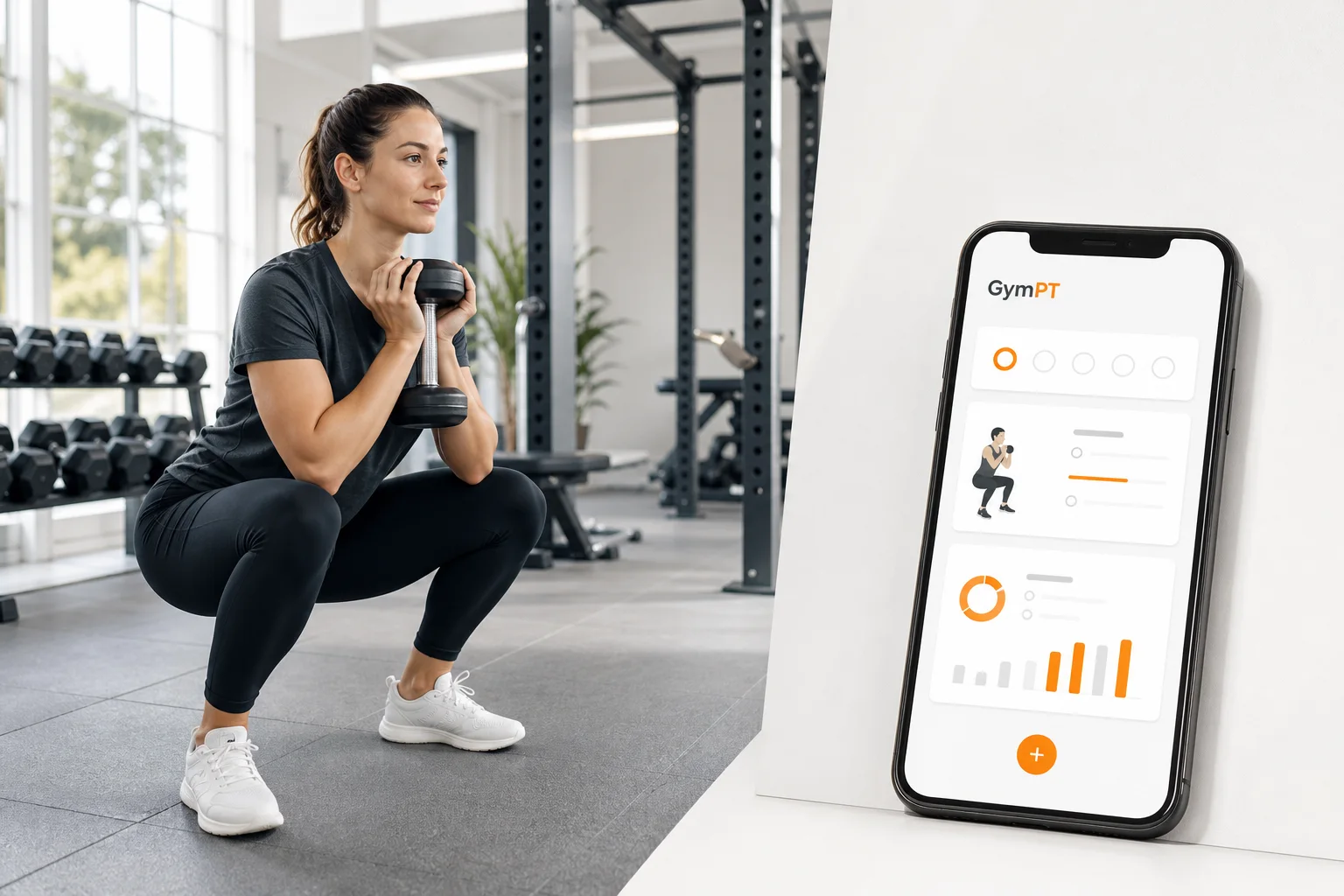
Starting a new exercise routine can feel more complicated than it needs to be. A good weekly workout routine for beginners does not require advanced exercise variations, exhausting daily sessions, or a perfect gym schedule. It needs a manageable number of training days, basic movement patterns, enough recovery, and a way to make small improvements over time.
This guide gives you a simple three-day strength plan, optional walking or cardio sessions, and practical rules for choosing exercises safely. You can perform the routine in a gym or adapt it at home with bodyweight movements, resistance bands, or dumbbells.
What should a beginner workout week include?
For general health, adult activity guidelines recommend combining aerobic activity with muscle-strengthening work on at least two days each week. If you are currently inactive, you do not need to reach the full recommendation immediately. Starting with small amounts and building gradually is a more practical way to develop consistency.
For many beginners, a useful starting structure is:
- Three strength sessions: Practice full-body movements on non-consecutive days.
- Two optional walking or cardio sessions: Keep the pace comfortable to moderate.
- One mobility or light activity day: Move without turning it into another hard workout.
- One complete rest day: Allow your body and schedule to reset.
You can also begin with two strength sessions if three feels unrealistic. The best beginner gym routine is the one you can repeat for several weeks, not the one that looks most impressive on paper.
Weekly workout routine for beginners: a simple 3-day plan
Use the following schedule as a starting template. Choose a resistance that lets you complete the planned repetitions with controlled technique. Stop a set if your form changes substantially or if you feel sharp, unusual, or worsening pain.
Monday: Full-body strength session A
- Squat variation: 2 sets of 8 to 12 repetitions. Try a bodyweight squat, goblet squat, or leg press.
- Horizontal push: 2 sets of 8 to 12 repetitions. Use an incline push-up, machine chest press, or dumbbell press.
- Row variation: 2 sets of 8 to 12 repetitions. Use a resistance band, cable row, chest-supported row, or one-arm dumbbell row.
- Hip hinge: 2 sets of 8 to 12 repetitions. Try a light dumbbell Romanian deadlift or hip hinge drill.
- Core exercise: 2 sets of 20 to 30 seconds or 8 to 12 repetitions. Choose a plank, dead bug, or controlled carry.
Rest long enough to repeat the next set with good control. For many beginners, one to two minutes is a reasonable starting point, although the exact amount depends on the exercise and your current fitness.
Tuesday: Easy movement or rest
Take a 15- to 30-minute walk, cycle at an easy pace, or simply keep your normal daily activity. This session should leave you feeling better, not depleted. If Monday was more demanding than expected, make Tuesday a rest day.
Wednesday: Full-body strength session B
- Split squat or step-up: 2 sets of 6 to 10 repetitions per side. Hold onto support if balance is still developing.
- Vertical push: 2 sets of 8 to 12 repetitions. Try a light shoulder press or elevated push-up variation.
- Vertical pull: 2 sets of 8 to 12 repetitions. Use a lat pulldown or assisted pull-up machine.
- Glute-focused movement: 2 sets of 8 to 12 repetitions. Choose a glute bridge, hip thrust, or light machine variation.
- Carry or anti-rotation exercise: 2 short sets. Try a farmer carry or a light Pallof press.
Do not rush to add more exercises. A beginner usually benefits more from learning a small group of movements than from changing the routine every workout.
Thursday: Walking, mobility, or rest
Choose 20 to 30 minutes of comfortable walking or another low-impact activity. You can also spend 5 to 10 minutes moving through a gentle range of motion for the hips, shoulders, ankles, and upper back. Mobility work should feel controlled rather than forced.
Friday: Full-body strength session A or B
Repeat the session that felt more comfortable earlier in the week, or alternate between A and B each week. For example, use session A on Monday and Friday during week one, then session B on Wednesday. During week two, use session B on Monday and Friday, with session A on Wednesday.
This small rotation gives you repeated practice while distributing stress across different exercises.
Saturday: Optional cardio or enjoyable activity
Choose an activity you are likely to continue: a brisk walk, cycling, swimming, dancing, or a recreational sport. Keep the intensity appropriate for your current fitness. A useful practical test is whether you can still speak in short sentences during moderate activity.
Sunday: Rest and weekly review
Use the day to recover and review your week. Record which sessions you completed, which exercises felt comfortable, and whether any movement needs to be simplified. The goal is not to judge the week; it is to collect information for the next one.
How to progress without doing too much
Progression means gradually asking your body to do a little more. It does not mean increasing everything at once. Start by keeping the exercise selection stable for several weeks and change only one variable at a time.
- Add repetitions first: If your target is 8 to 12 repetitions, work toward the top of the range with steady form.
- Then add a small amount of resistance: Increase the load only when the current weight feels controlled across all planned sets.
- Add a set later if needed: Beginners often do not need high volume immediately.
- Improve technique: A smoother, more controlled repetition is meaningful progress.
- Repeat the plan: Consistency is more valuable than constant novelty.
You do not need to train every set to exhaustion. Leave some effort in reserve while you learn the movement and assess how your body responds. If soreness, fatigue, or reduced performance continues to build, reduce the load, shorten the session, or take an additional rest day.
Common beginner mistakes to avoid
Starting with too many training days
Training hard six or seven days per week can make a new routine difficult to sustain. Begin with two or three strength sessions and add activity only when recovery and scheduling are working well.
Changing exercises every session
Variety can be useful, but constant variation makes it harder to learn technique and measure progress. Keep the main movements consistent long enough to understand how they feel.
Choosing weight based on appearance
The correct starting load is the one you can control through a comfortable range of motion. A lighter weight is often the better choice while you learn the movement.
Ignoring recovery
Sleep, rest days, food, hydration, and manageable training volume all influence how well you can repeat your routine. Recovery is part of the plan, not a reward for finishing it.
Following a plan that does not fit your life
A theoretically excellent program is not useful if the travel time, session length, or equipment makes you skip it. Adjust the schedule, exercise variation, and session duration so the plan matches your circumstances.
How to use GymPT to organize your beginner routine
GymPT can help you turn this outline into a repeatable training record without requiring a paid subscription for core training. With a free account, you can save workout records and connections, then build a manual program without using AI credits.
A practical workflow is:
- Start with the weekly structure: Create two or three full-body strength days and add walking or rest days around them.
- Record the details: Save exercises, sets, repetitions, resistance, and notes about technique or energy.
- Review after two to four weeks: Look for exercises that feel comfortable, movements that need an easier variation, and sessions you regularly miss.
- Ask for help when useful: You can request optional AI assistance or review a personal trainer's program proposal. AI actions may require credits, and eligible Premium features have separate requirements shown before use.
- Keep control of sharing: A personal trainer can review only the programs, workout records, and notes you choose to share. Optional weekly summaries also require the appropriate permissions.
If you want professional input, a trainer can prepare a program proposal manually or with optional AI support in the web workspace. You review the proposal and decide whether to save and use it. GymPT is designed to support that conversation, not replace a real trainer's judgment.
For a broader planning framework, see the simple weekly gym plan. If you are unsure whether two or three training days is the right starting point, the guide to how many days beginners should train can help you choose a realistic schedule. You can also compare this routine with the 3-day workout plan for strength or learn how to adapt sessions in a workout plan with limited equipment.
When to adjust the plan
Make the routine easier if you are consistently exhausted, your technique is deteriorating, or you are unable to recover before the next session. Substitute a simpler exercise, reduce the number of sets, or take another rest day.
If you have a health condition, an injury, or concerns about starting vigorous exercise, seek guidance from an appropriately qualified healthcare professional. During training, stop and seek advice for symptoms that are severe, unusual, or worsening.
The most effective beginner workout plan is usually straightforward: practice the major movement patterns, increase difficulty gradually, record what you do, and repeat the process long enough to learn from it. Start smaller than your ambition requires, then build from there.