simple weekly gym plan
Simple Weekly Gym Plan: Build a Routine You Can Repeat
A simple weekly gym plan does not need complicated splits or endless exercises. Learn how to choose your training frequency, structure sessions, recover well and progress over time.
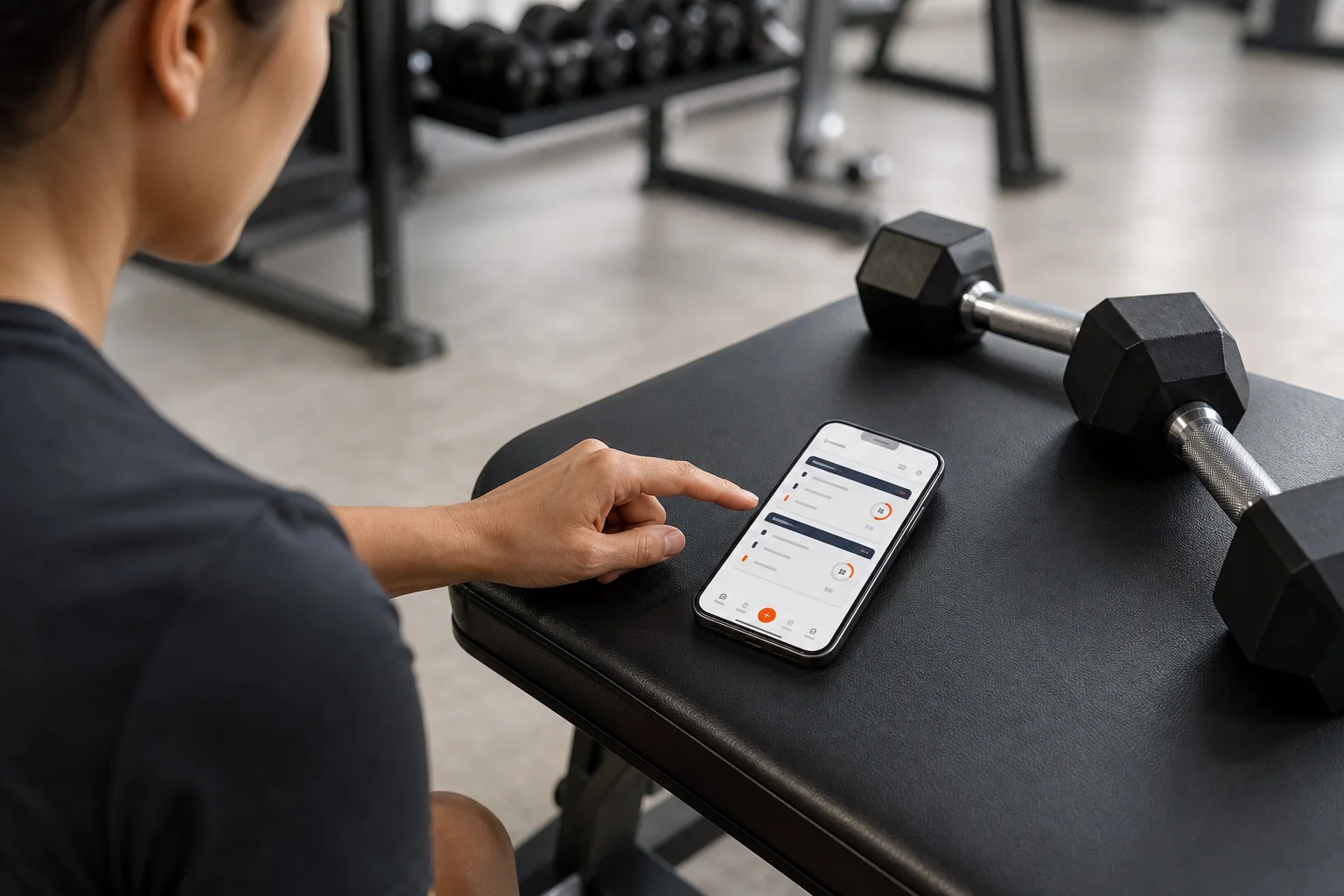
A simple weekly gym plan should make it easier to train consistently, not make your week harder to manage. The best routine is one that fits your schedule, covers the major movement patterns, leaves enough time for recovery and gives you a clear way to progress.
For many people, three resistance-training sessions per week are a practical starting point. Two sessions can work when your schedule is busy, while four sessions may suit experienced members who enjoy shorter, more focused workouts. The number matters less than choosing a repeatable structure and recording what you actually do.
What makes a simple weekly gym plan effective?
A useful plan answers five questions before you enter the gym:
- How often will you train? Choose a frequency you can maintain for several weeks.
- What is the main goal? Strength, muscle growth, general fitness and confidence may use similar exercises but different priorities.
- Which exercises will you perform? Select movements that cover the legs, hips, pushing, pulling, trunk and general conditioning.
- How will you recover? Place demanding sessions so the same muscles and joints are not challenged hard on consecutive days.
- How will you progress? Track repetitions, load, sets, technique and how the session felt.
Adults are generally encouraged to include muscle-strengthening activity on at least two days per week, alongside regular aerobic activity. That does not mean every person needs a complicated five- or six-day split. It means a well-organized two- or three-day routine can provide a realistic foundation.
Research on resistance-training frequency also suggests that frequency is often most useful because it helps distribute training volume. When total work is similar, training more often is not automatically better. A schedule that lets you complete good-quality work and recover is usually more useful than an ambitious plan you regularly skip.
Choose your weekly training frequency
Two days per week: the minimum effective structure
Two full-body sessions are a strong choice for beginners, busy members or anyone returning after a long break. Leave at least one day between sessions when possible, such as Monday and Thursday.
Each workout can include:
- One squat or leg-press pattern
- One hip-hinge pattern, such as a deadlift variation or hip thrust
- One upper-body push
- One upper-body pull
- One trunk or carry exercise
Start with one to three working sets per exercise. Use a load that allows controlled repetitions with good technique rather than forcing maximal effort on every set.
Three days per week: the best all-purpose starting point
A three-day full-body plan gives you regular practice without requiring daily gym visits. A Monday-Wednesday-Friday schedule is easy to remember, but Tuesday-Thursday-Saturday can work just as well.
Use slightly different emphasis across the week:
- Day A: Squat, horizontal push, horizontal pull, hamstring accessory, trunk
- Day B: Hip hinge, vertical push, vertical pull, single-leg exercise, optional conditioning
- Day C: Leg press or squat variation, incline push, rowing variation, glute or calf work, trunk
This is not a strict rule. Machines, dumbbells, barbells, cables and bodyweight exercises can all fit. The important point is to cover the major muscle groups and repeat key movement patterns often enough to improve your skill.
For a more detailed strength-focused version, see 3 Day Workout Plan for Strength.
Four days per week: divide the workload
Four days can work well when you prefer shorter sessions or want to give more attention to specific exercises. A simple upper/lower structure is:
- Monday: Upper body A
- Tuesday: Lower body A
- Thursday: Upper body B
- Friday: Lower body B
Keep at least one rest or low-intensity day between the second and third sessions. Four days is not automatically more effective than three. It is simply another way to distribute the work.
A practical three-day gym plan
The following example is designed for a generally healthy adult who wants a balanced, repeatable gym routine. Adjust exercise selection to your experience, equipment and comfort. If you are new to an exercise, ask a qualified trainer to check your setup and technique.
Day 1: balanced full body
- Goblet squat or leg press: 2–3 sets of 6–12 repetitions
- Dumbbell bench press or machine chest press: 2–3 sets of 6–12 repetitions
- Seated cable row: 2–3 sets of 8–12 repetitions
- Romanian deadlift with dumbbells: 2 sets of 8–12 repetitions
- Plank or dead bug: 2–3 controlled sets
Day 2: hinge and vertical movement emphasis
- Trap-bar deadlift, kettlebell deadlift or hip thrust: 2–3 sets of 5–10 repetitions
- Lat pulldown or assisted pull-up: 2–3 sets of 8–12 repetitions
- Overhead press with dumbbells or a machine: 2–3 sets of 6–12 repetitions
- Reverse lunge or split squat: 2 sets of 8–12 repetitions per side
- Easy cycling, walking or rowing: 10–20 minutes if desired
Day 3: repeatable volume
- Front squat, hack squat or leg press: 2–3 sets of 8–12 repetitions
- Incline dumbbell press or push-up: 2–3 sets of 8–12 repetitions
- One-arm dumbbell row or chest-supported row: 2–3 sets of 8–12 repetitions
- Leg curl or back extension: 2 sets of 10–15 repetitions
- Farmer carry, side plank or cable anti-rotation press: 2–3 sets
Rest long enough to repeat the next set with control. A shorter rest may be fine for smaller isolation exercises, while heavier compound movements often benefit from more time. You do not need to train every set to failure. Stop with repetitions still available when that helps you preserve technique and recover for the next session.
How to match the plan to your level
Beginners
Start with two or three sessions, two working sets per exercise and conservative loads. Your first goal is not to test your limits. It is to learn the movements, establish a routine and finish sessions feeling capable of returning.
Use a simple effort check: the final repetitions should feel challenging, but you should still be able to perform them without losing control. Keep the same exercises for several weeks before changing everything.
Intermediate members
If you already train consistently, add a small amount of volume where it supports your goal. For example, add one set to a priority movement, use a second exercise for a major muscle group or move from three to four weekly sessions.
Avoid increasing frequency, sets, load and intensity all at once. Change one main variable, observe your recovery and then decide whether another adjustment is needed.
Members returning after time away
Use the first two weeks as a re-entry phase. Reduce the load and number of sets, leave more repetitions in reserve and focus on regular attendance. A lighter plan that you complete is more useful than immediately repeating your previous best workload.
Build recovery into your weekly gym schedule
Recovery is part of the plan, not a sign that the plan is failing. Schedule easier days between demanding sessions, vary the muscles emphasized and avoid adding hard conditioning on every rest day.
Useful recovery habits include:
- Keeping at least one lower-demand day after a difficult lower-body session when needed
- Maintaining a regular sleep routine
- Eating enough to support your training goals
- Using walking or easy mobility work on non-lifting days
- Reducing sets or load temporarily when fatigue accumulates
Normal training effort and mild post-workout soreness can occur, but persistent pain, unusual symptoms or a major drop in performance deserves attention from an appropriate qualified professional. Do not use a general gym plan to manage an injury or medical condition.
Use progression without making your plan complicated
Progression means gradually asking your body to do more high-quality work over time. It does not always mean adding weight every workout.
Try a repetition-range method:
- Choose a range, such as 8–12 repetitions.
- Keep the same load until you can complete all planned sets near the top of the range with controlled technique.
- Add a small amount of load the next time.
- Return to the lower end of the range and build again.
You can also progress by adding a set, improving technique, increasing range of motion where appropriate, reducing unnecessary rest or completing the same work with less perceived effort. Record the details so your decisions are based on your training history rather than memory.
GymPT can help you keep a practical record of workouts, notes and program details. You can build a manual program without AI credits, request optional AI assistance when useful or review a program proposal prepared by a personal trainer. If you work with a trainer, only the programs, workout records and notes you permit them to see are available for review.
Make your plan easier to follow with a weekly review
At the end of each week, spend five minutes reviewing four points:
- Which sessions did you complete?
- Which exercises felt stable and repeatable?
- Where did fatigue, time pressure or discomfort affect the workout?
- What is one small adjustment for next week?
If you want professional input, you can connect with a personal trainer through an approved GymPT connection and share the records or notes relevant to that relationship. A trainer can review what you have permitted them to access, prepare a program proposal manually or with optional AI support in the web workspace, and let you decide whether to save and use it. The proposal is not automatically applied to your training.
For a closer look at this process, read Personal Trainer Workout Program Proposals and Personal Trainer Client Progress Tracking.
Adjust the plan when life changes
A simple plan should be flexible. If you miss Monday, do not try to cram every missed set into Tuesday. Move the session to the next realistic day or reduce the week to two full-body workouts.
If your gym access changes, substitute movements that train a similar pattern. If you have limited equipment, use the principles in Workout Plan With Limited Equipment. If you train at more than one location, keep the same movement categories while changing the equipment.
The aim is not to create a perfect calendar. It is to create a routine you can repeat, measure and improve. Choose a realistic number of days, train the major movement patterns, protect recovery and make one small progression at a time. That is enough to turn a simple weekly gym plan into a sustainable training habit.