gym member onboarding with personal trainers
Gym Member Onboarding With Personal Trainers: A Practical Workflow for Gyms
A strong gym member onboarding process helps new members find the right personal trainer, choose a realistic training path and begin with clear expectations. This practical workflow shows gym owners and staff how to coordinate introductions, permissions, program proposals and follow-up without overstepping member privacy.
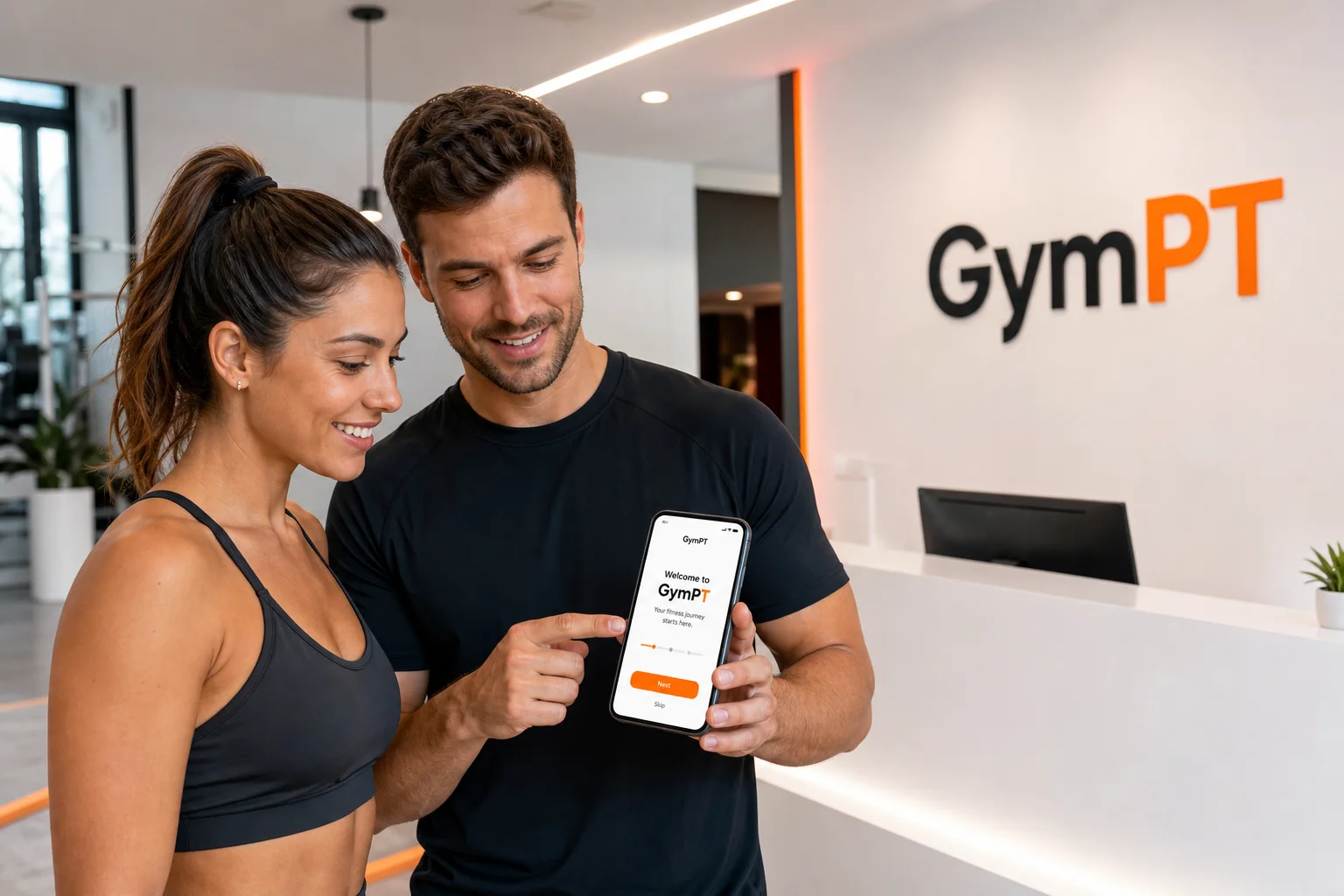
Effective gym member onboarding with personal trainers is more than introducing a new member to whoever is available. It is a structured process that helps the member understand their options, identify a suitable trainer, choose an appropriate starting point and approve the connection before training information is shared.
For gym owners and staff, the goal is not to control every part of the member’s training. The goal is to create a clear handoff between the gym, the member and the personal trainer. A good workflow protects member choice, supports trainer judgment and gives staff enough visibility to manage approved connections across the right branch or team.
What a strong gym member onboarding process should achieve
New members often arrive with different levels of experience. One person may want help learning basic movements, while another may already have a training history and need a more focused strength or conditioning plan. Treating both members the same can create confusion before the first session begins.
A practical onboarding workflow should help a member:
- Understand how personal training support works at the gym.
- Discover available trainers and compare their coaching focus.
- Explain goals, preferences, schedule and previous training experience.
- Choose between creating a manual plan, requesting optional AI assistance or reviewing a trainer proposal.
- Approve which trainer or gym connection is allowed to access shared training information.
- Know what happens next and who is responsible for follow-up.
This approach also gives staff a repeatable process. Instead of relying on informal messages or assumptions, the gym can guide members through a sequence that is easy to explain and review.
Step 1: Start with a useful member welcome
The first onboarding conversation should be short, specific and member-centered. Staff do not need to design a complete program during the welcome. They need to help the member understand the next decision.
Useful opening questions include:
- What would you like your training to help you do?
- How many days per week can you realistically train?
- What type of support would make starting easier?
- Have you followed a structured program before?
- Would you prefer to begin independently, work with a trainer or consider both?
These questions create a better starting point than leading with a sales pitch or assuming that every new member wants the same service. Client-centered goal setting is especially important because the member should remain the decision-maker. The trainer’s role is to clarify options, identify practical next steps and help the member make an informed choice.
Staff should also explain the boundaries of the process. A personal trainer can provide fitness guidance within their scope of practice, but onboarding is not a substitute for medical evaluation or diagnosis. If a member raises a concern that requires another professional, the appropriate next step is referral rather than speculation.
Step 2: Help the member discover the right personal trainer
Trainer-member matching works best when it is based on practical fit, not only availability. A member may benefit from a trainer whose communication style, coaching experience and preferred training environment match their needs.
Gyms can organize the discovery step around a few simple categories:
- Training focus: strength, general fitness, mobility, sport preparation or another appropriate area.
- Coaching style: instructional, encouraging, highly structured or collaborative.
- Experience level: beginner-friendly support, ongoing program development or performance-focused coaching.
- Availability: preferred training days, times and branch access.
- Communication preferences: in-person conversations, app-based updates or a combination.
Gym staff can introduce two or three suitable options rather than overwhelming the member with every possible choice. The member can then review the options and decide whom to contact or connect with.
For multi-location organizations, this step should also respect branch access. Staff should only present trainers and locations that are relevant to the member’s approved gym connection and the branches they can access.
For a broader view of how to structure these relationships, see Gym Member and Personal Trainer Connections: A Gym Workflow Guide.
Step 3: Make permissions part of onboarding
Permission management should not be hidden in the background. Members should understand what they are sharing, who can see it and why the information may be useful for their training.
In a permission-based workflow, the member decides whether to connect with a personal trainer and which training information to share. This may include selected programs, workout records or notes. A trainer should not be assumed to have access to every piece of member information simply because both people are associated with the same gym.
A clear explanation can be as simple as:
- Your trainer can review the information you choose to share.
- You can decide whether to approve the trainer connection.
- Shared records help the trainer understand your current training and follow-up needs.
- Optional summaries or additional features require the appropriate permission and may have separate eligibility or credit requirements.
This is useful for both privacy and coaching quality. Members are more likely to make informed choices when the gym explains access in plain language. Trainers also receive a clearer picture of what they are allowed to review, reducing the risk of relying on incomplete assumptions.
Gym owners and staff can reinforce this by maintaining clear roles and approved connections. A gym may manage branches, staff roles and connection approvals, but that does not mean the entire gym has unrestricted access to member training or health-related information.
For more detail, read Gym Staff Roles and Member Permissions: A Practical Access Guide.
Step 4: Offer three clear training paths
Once the member understands the connection process, present a small number of practical choices. Giving members a path forward is more helpful than presenting technology without context.
Path one: Build a manual program
A member can create a manual workout program based on their available time, equipment and preferred training schedule. This option is useful for members who want to start independently or already know the type of routine they want to follow.
A manual plan does not require AI credits. It also gives the member a simple way to begin recording training activity before deciding whether trainer support is needed.
Path two: Request optional AI assistance
Some members may want help organizing a routine or thinking through possible exercise selections. Optional AI assistance can support that process, but it should be presented as a tool rather than a replacement for a real personal trainer.
Some AI actions may require credits, and eligible Premium features can have separate requirements shown before use. Staff should avoid promising that every AI action is included or available to every member. The member should see the relevant requirement before choosing to use the feature.
Path three: Review a personal trainer proposal
A trainer can prepare a program proposal manually or with optional AI support in the web workspace. The proposal may reflect the member’s goals, available training time and shared records, but the member still reviews it before saving and using it.
This review step matters. It gives the member an opportunity to ask questions, request adjustments and confirm that the proposed routine fits their schedule and preferences. The trainer remains responsible for professional judgment, while the member decides whether to save and follow the proposal.
Trainers who want to improve this process can use Personal Trainer Workout Program Proposals: A Better Client Review Workflow.
Step 5: Create a first-week follow-up plan
The first follow-up should confirm that the member completed the next step, not pressure them into a larger commitment. A simple check-in can prevent a promising onboarding experience from ending after the first conversation.
Within the first week, staff or the trainer can ask:
- Were you able to connect with the trainer you selected?
- Did you understand which records or notes were shared?
- Were you able to begin the manual plan or review the proposal?
- Did the training schedule fit your available time?
- What should be clarified before the next session?
Trainers can review the workout records and notes the member has permitted them to access. If the member has granted the appropriate permissions, a weekly AI summary may help organize recent information for review. The summary should support—not replace—the trainer’s own interpretation and conversation with the client.
For a related approach to ongoing review, see Personal Trainer Client Progress Tracking: A Weekly Review Workflow.
Step 6: Review and adjust the onboarding workflow
Gyms should periodically review where members become confused or stop progressing through the onboarding process. This does not require collecting unrestricted personal data. Staff can focus on workflow questions such as:
- Can new members explain how to find a trainer?
- Do members understand the difference between a manual plan, AI assistance and a trainer proposal?
- Are connection approvals handled consistently?
- Do trainers know exactly which records and notes a client has shared?
- Are branch and staff permissions aligned with the gym’s operating structure?
- Does every member receive a clear next step after the welcome conversation?
Keep the review focused on clarity, safety, privacy and follow-through. Avoid turning onboarding into a broad data-collection exercise or promising outcomes that the gym cannot guarantee.
A simple GymPT workflow for gym teams
GymPT can support a practical member onboarding sequence without removing member choice or trainer responsibility:
- Welcome: A staff member explains the gym’s training options and asks about the member’s goals.
- Discover: The member reviews suitable personal trainers and chooses whom they want to contact.
- Connect: The member approves the trainer connection and selects the information they want to share.
- Choose: The member creates a manual program, requests optional AI support or reviews a trainer proposal.
- Review: The trainer uses permitted programs, workout records and notes to guide follow-up.
- Continue: The member saves and uses an approved plan, records workouts and discusses adjustments with the trainer.
The strength of this workflow is its division of responsibility. The gym manages its branches, staff roles and approved connections. The trainer provides professional guidance and reviews only permitted information. The member chooses the trainer, controls the connection and decides whether to use a proposed program.
Final takeaway
Good gym member onboarding with personal trainers makes the first training decision easier. It gives members a clear route from welcome conversation to trainer discovery, approved connection, program selection and first-week follow-up.
For gym owners and staff, the best process is structured but not restrictive. Keep the member in control, make permissions visible, support trainer judgment and use optional AI only where it adds practical value. With those principles in place, onboarding becomes a repeatable member experience rather than an informal handoff.