Beginner Strength Training Plan: A Simple 2-Day Start
A practical beginner strength training plan with two full-body sessions, simple exercise options and clear steps for building confidence and progressing gradually.
In this article
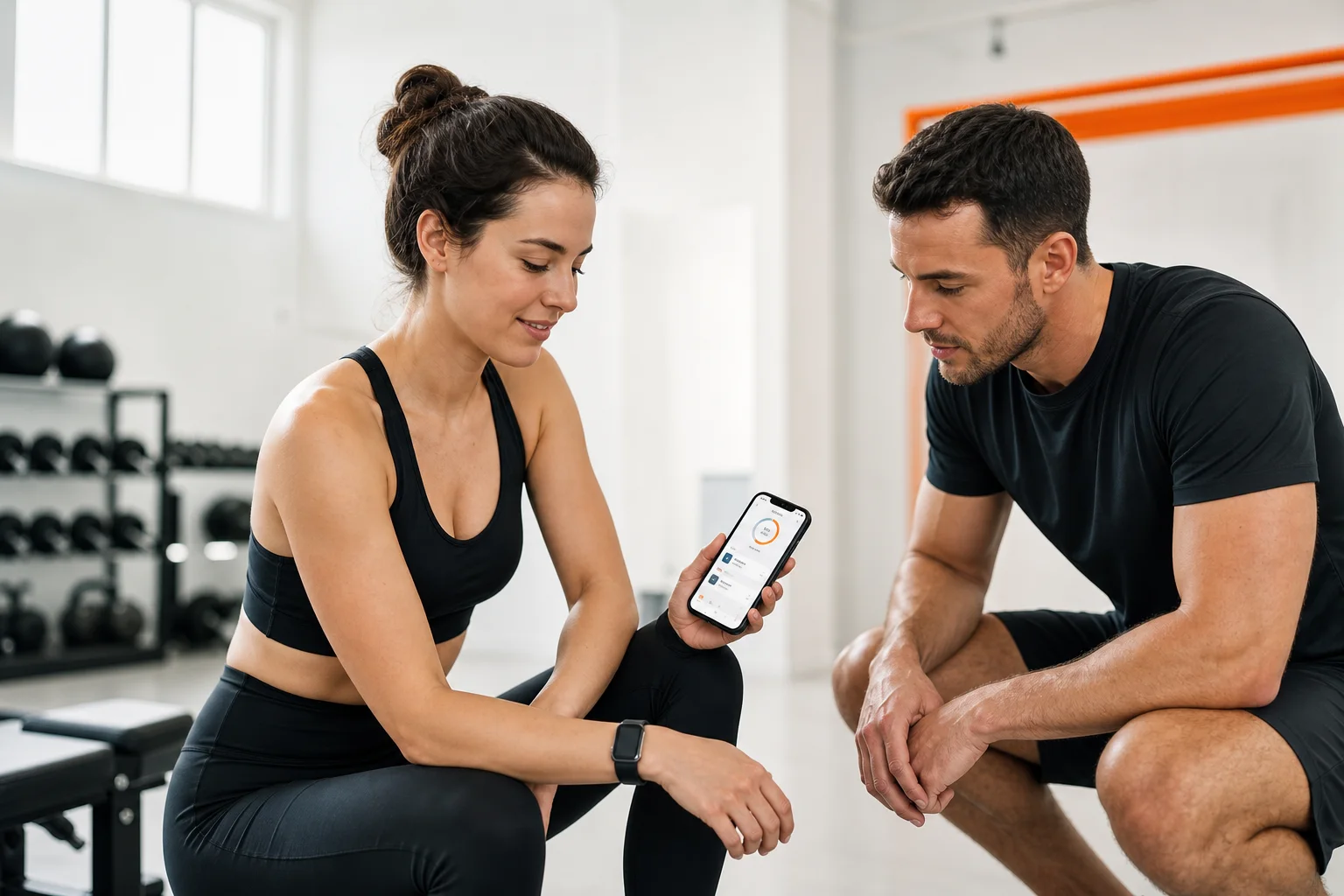
A beginner strength training plan should make it easier to start, not give you a dozen decisions to make before every workout. Two manageable full-body sessions each week are a practical starting point: you can learn the basic movements, practise them regularly and leave recovery time between sessions.
You do not need to test your maximum lifts or train to exhaustion. Start with controlled repetitions, a load you can handle confidently and a routine that fits your actual week. Use the plan below as a template, adjusting exercises for your equipment and comfort.
What makes a good beginner strength training plan?
For many adults, public activity guidance recommends muscle-strengthening activity on at least two days a week and includes all major muscle groups. A beginner can use that as a helpful direction without treating the first week as a pass-or-fail test. If two sessions feel like too much at first, begin with one and build toward two as your routine settles in.
Keep the first version of your plan deliberately small. Each workout should cover a squat or knee-dominant movement, a hip movement, a push, a pull and a simple trunk exercise. Machines, dumbbells, resistance bands and bodyweight exercises can all work; the best choice is one you can set up and perform with control.
- Train twice weekly: Leave at least a day between sessions when your schedule allows.
- Choose a manageable effort: Finish each set feeling that you could still do a few more good repetitions.
- Begin with one or two sets: Add more only when the current workload feels familiar and manageable.
- Keep a record: Note the exercise, weight or variation, repetitions and any useful observations.
Your two-day full-body beginner gym workout
Alternate Workout A and Workout B on nonconsecutive days. For example, train Monday and Thursday, or Tuesday and Saturday. A session may take around 35–50 minutes depending on equipment availability and rest breaks; take the time you need to set up and move safely.
Before your first working set, spend a few minutes moving comfortably and practise the day’s exercises with very light resistance or an easier variation. Those practice repetitions help you learn the setup; they do not need to feel like hard work.
Workout A
- Leg press or box squat: 1–2 sets of 8–12 repetitions.
- Machine chest press or elevated push-up: 1–2 sets of 8–12 repetitions.
- Seated cable row or band row: 1–2 sets of 8–12 repetitions.
- Dumbbell Romanian deadlift or a light hip-hinge practice: 1–2 sets of 8–10 repetitions.
- Dead bug or comfortable plank variation: 1–2 controlled sets.
Workout B
- Supported split squat or step-up: 1–2 sets of 8–10 repetitions per side.
- Lat pulldown or band pulldown: 1–2 sets of 8–12 repetitions.
- Dumbbell shoulder press or machine shoulder press: 1–2 sets of 8–12 repetitions.
- Glute bridge or hip-thrust machine: 1–2 sets of 10–12 repetitions.
- Bird dog or another comfortable trunk exercise: 1–2 controlled sets per side.
These are options, not tests. If a station is occupied, choose a similar movement pattern rather than rushing. A practical guide to choosing alternatives is planning around equipment availability. For more on adapting exercise selection to the tools you have, see this equipment-based exercise selection guide.
How to choose your starting weight
Pick a resistance that lets you complete the planned repetitions with steady control. The final repetitions may take effort, but your technique should stay consistent and you should not need to twist, bounce or rush to finish. If you could comfortably do many more repetitions, add a small amount of resistance next time. If you cannot reach the lower end of the range with control, reduce the load or choose an easier variation.
Rest long enough to feel ready for the next set. A beginner does not need to race a timer or copy someone else’s pace. For your first couple of weeks, you can even do just one work set per exercise while learning the equipment and movements.
How to progress without making the plan complicated
Use a simple progression rule: first build repetitions, then consider a small increase in resistance. For example, if your target is 8–12 repetitions, keep the same weight while you gradually move from 8 toward 12 with controlled form. When you can complete the top of the range comfortably across your planned sets, increase the resistance by the smallest practical step and build up again.
There is no need to add weight every workout. Repeat a load when you are learning, when the last session felt unusually demanding or when you are unsure about the setup. Consistent practice is useful progress, too. Update one variable at a time—such as repetitions or resistance—so you can tell how the change feels.
A realistic first-month routine
- Weeks 1–2: Practise the exercise setup, use light-to-moderate resistance and keep to one or two sets.
- Weeks 3–4: Keep the schedule steady. Add repetitions within the target range when they feel controlled.
- After week 4: Review what you can perform consistently. Make a small adjustment if the current plan feels manageable; do not add exercises just because you think a longer workout must be better.
If you miss a session, continue with the next workout when it suits your schedule. You do not need to double up or restart the plan. If a movement causes sharp pain or feels wrong, stop that movement and choose an easier alternative. If you have health concerns or need exercise adapted to your situation, seek guidance from an appropriate qualified professional.
Make the plan fit your life
A plan works better when its days and exercises are realistic for you. Choose session times you can usually keep, write down equipment alternatives and set a modest goal such as completing both sessions this week. If you prefer a different schedule, the two-day strength workout guide offers another practical structure.
GymPT can help you keep your training organized: you can build a manual program without AI credits and save training records with a free account. Optional AI support may require credits, and eligible Premium features have their own requirements shown before use. You can also review a personal trainer’s program proposal and decide whether to save and use it. A useful next step is this guide to reviewing a trainer’s program proposal. If you choose to connect with a trainer, they can review only the programs, workout records and notes you permit them to share.
Keep the first month focused on learning, showing up and recording what you did. A simple plan you can repeat is a stronger starting point than a complicated routine you cannot fit into your week.