2 Day Workout Plan for Strength: A Practical Full-Body Routine
A well-planned two-day routine can make strength training manageable and consistent. Use this full-body plan, then progress with steady technique and sensible load increases.
In this article
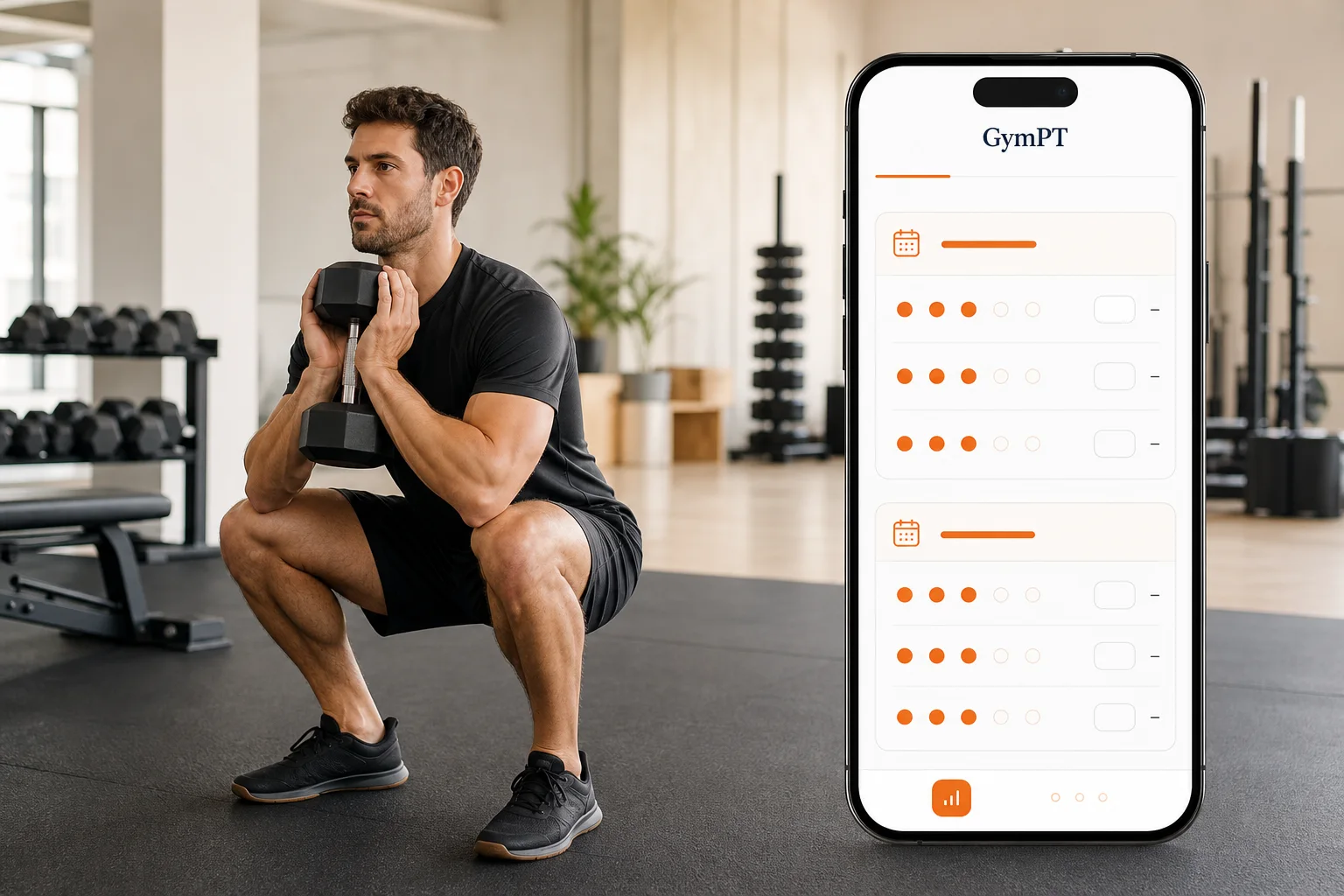
A 2 day workout plan for strength can fit a busy week without turning every gym visit into a marathon. The key is to train your major movement patterns on both days, use loads you can control, and repeat the same core exercises long enough to improve your skill.
Two sessions are a useful starting structure—not a guarantee of a particular result. Current resistance-training guidance emphasizes consistency and individualizing the plan, while research reviews suggest that training frequency alone does not determine strength gains when weekly training volume is comparable. This plan gives you a repeatable framework, with clear ways to scale it up or down.
How to organize a 2 day workout plan for strength
Schedule the sessions on nonconsecutive days when possible, such as Monday and Thursday. That spacing gives you time between workouts and makes it easier to bring good attention to both sessions. If your week changes, keep the order and aim for a rest day between them rather than abandoning the plan.
Each workout includes a squat or lunge, a hip hinge, a push, a pull, and a simple trunk exercise. These patterns cover the major areas of a general strength routine while keeping exercise selection manageable. Choose a variation that matches your experience and equipment; a machine or dumbbell version can work just as well as a barbell variation for a general plan.
Two-day full-body strength routine
Before working sets, spend a few minutes warming up with easy movement and practice repetitions of the first exercises. Add light ramp-up sets as needed; those are preparation, not sets to push hard.
Day 1: Squat and horizontal push focus
- Squat variation—3 sets of 5–8 reps. Choose a goblet squat, machine squat, or barbell squat that you can perform consistently.
- Bench press or push-up—3 sets of 5–8 reps. Use an incline or elevated push-up if needed to keep repetitions controlled.
- Romanian deadlift—3 sets of 6–8 reps. Keep the weight close and move through a range you can control.
- Seated row or one-arm dumbbell row—3 sets of 6–10 reps.
- Plank—2 sets of 20–40 seconds, stopping while you can still maintain a steady position.
Rest around 2–3 minutes between challenging sets of the first four exercises. Take more rest if your breathing or technique has not settled; shorter rest is fine for the plank.
Day 2: Hinge and overhead push focus
- Deadlift variation—3 sets of 4–6 reps. A trap-bar deadlift, kettlebell deadlift, or another coach-approved option may be appropriate.
- Overhead press or machine shoulder press—3 sets of 5–8 reps.
- Split squat or leg press—3 sets of 6–8 reps per side for split squats, or 6–10 reps for leg press.
- Lat pulldown or assisted pull-up—3 sets of 6–10 reps.
- Dead bug—2 sets of 6–10 controlled reps per side.
Use the listed repetitions as a guide, not a test. If you are new to lifting, begin with 2 sets per exercise and a load that lets you practice the movement smoothly. Add a third set after the routine feels familiar and your sessions remain manageable.
Choose a load that lets you repeat good technique
Strength training often involves challenging loads, but “heavy” should not mean uncontrolled. For most sets, finish with roughly two or three good repetitions still possible. You should be able to keep your chosen range of motion, balance, and tempo without a last-minute change in form.
If you are experienced and already know your movements, some working sets can be heavier. If you are learning an exercise, start lighter and build familiarity before attempting demanding loads. There is no need to test a one-repetition maximum to use this plan. If a rep becomes a grind or the movement changes, end the set rather than forcing more repetitions.
Keep technique cues simple and repeatable: brace before the lift, control the lowering phase, and use a consistent setup each time. For a new or technically demanding lift, ask a qualified trainer to check your setup or choose a simpler variation while you learn.
Progress gradually with a simple rule
Use double progression: first add repetitions within the listed range, then increase the load by a small amount when all work sets reach the top of the range with steady technique. For example, with 3 sets of 5–8, stay at the same weight while you work from 6, 6, 5 toward 8, 8, 8. Once you can complete all three sets at 8 clean reps, add a modest amount of weight and return to the lower end of the range.
- Record the exercise variation, load, repetitions, and any notes about technique or effort.
- Repeat the same movement variation for several weeks when it feels appropriate; frequent changes make progress harder to compare.
- If you miss the target range, keep the load steady or reduce it slightly next time instead of adding weight automatically.
- If a session feels unusually difficult, preserve technique and do fewer reps or sets. One workout does not need to be a personal best.
Progress is not perfectly linear. Sleep, schedule, experience, and the demands of other activities can affect how a session feels. Judge the trend across several workouts, not just one day.
Manage weekly effort so both sessions stay productive
A common mistake in a two-day routine is trying to fit every possible exercise into each visit. Start with the listed work, and resist adding extra sets simply because you have time. If the sessions feel too long, remove a final accessory or do two sets rather than rushing your main lifts.
Use the gap between workouts for normal daily activity or other training that does not leave you too fatigued to lift well. If you add sports or conditioning, keep an eye on how your performance and energy feel in the next strength session. When your usual loads become difficult for several workouts in a row, consider reducing the load or trimming a set temporarily.
Sharp or concerning pain is a reason to stop that exercise rather than push through it. If you have an injury, health concern, or uncertainty about whether a movement is suitable, ask an appropriately qualified health professional or trainer for individual guidance.
Make the plan fit your equipment and experience
You do not need to copy every exercise exactly. If a barbell is unavailable, choose a stable machine, dumbbell, or bodyweight variation that trains a similar movement. For a home setup, see this two-day dumbbell workout plan. If you want help matching barbell exercises to your equipment, use this barbell exercise-selection guide.
When you already lift regularly, the routine can be a simple base rather than a complete answer to every goal. You might need exercise choices or weekly workload adjusted around your experience and priorities. Compare options in the four-day dumbbell workout plan if you have room for another training day, or use this training-history review guide to think through what your records can tell you.
Track what matters, then adjust
For the first four to six weeks, focus on showing up, learning the movements, and recording each session. Look for small, repeatable improvements in repetitions, load, or control—not a dramatic jump every week.
GymPT lets members build a manual program and save training records with a free account; core training does not require a paid subscription. You can also request optional AI support or review and save a program proposal from a real personal trainer. Your trainer only sees the programs, workout records, or notes you permit them to share. Use these options to support your own planning and discussion—not as a substitute for professional judgment.
A two-day schedule works best when you can sustain it. Keep the exercises familiar, progress in small steps, and adjust the workload when your technique or recovery calls for it. Consistent practice is more useful than a complicated routine you cannot repeat.