Personal Trainer Equipment Based Programming: A Practical Framework for Better Exercise Selection
Equipment-based programming is more than listing exercises available in a gym. It is a structured way to match client goals, movement patterns, equipment access and progression options without forcing every client into the same routine.
In this article
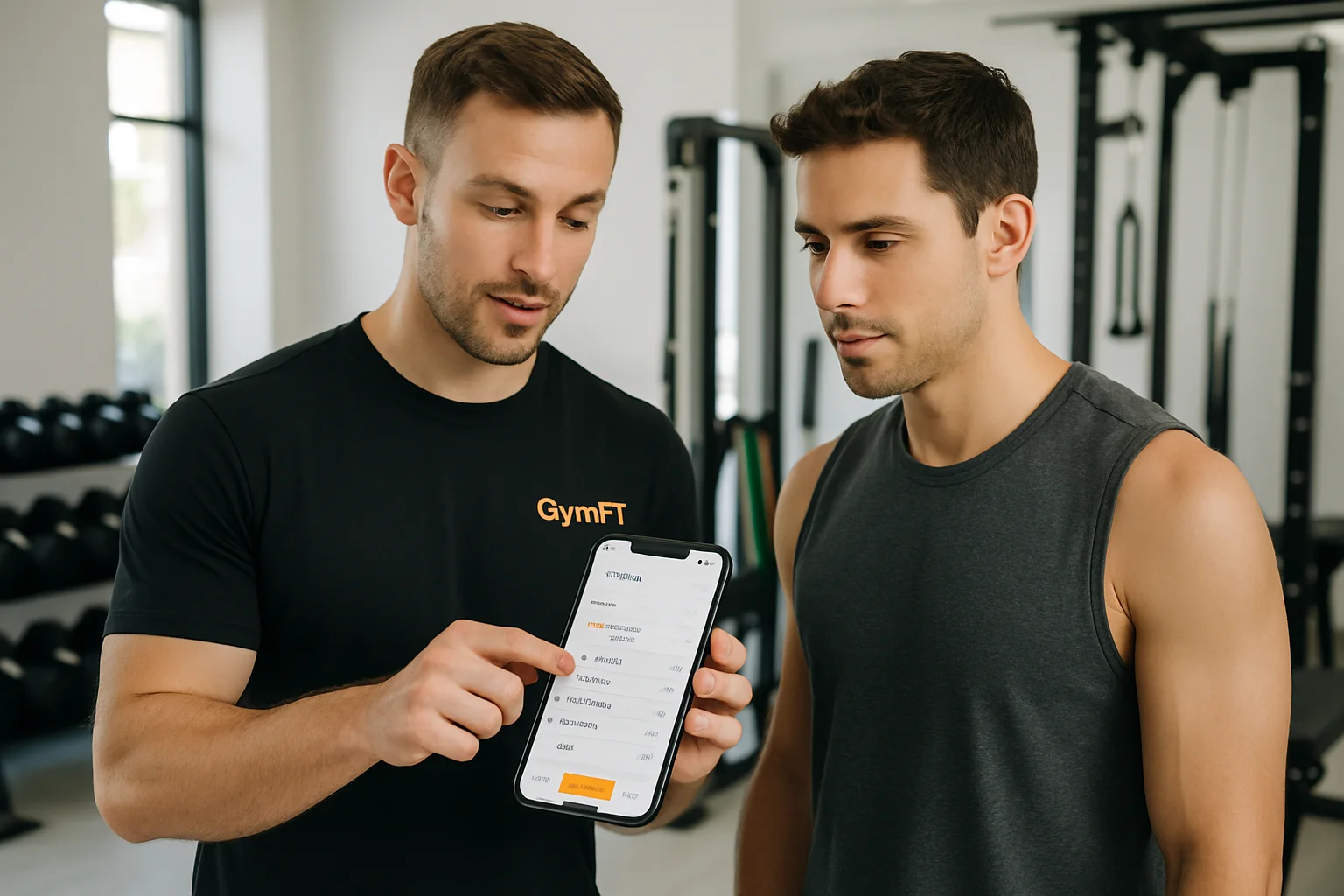
Personal trainer equipment based programming helps you design training that a client can actually perform, repeat and progress. Instead of starting with a favorite exercise list, you begin with the client’s goals, available equipment, experience, preferences and training environment.
This approach matters because the best exercise on paper may not be available, comfortable, technically appropriate or practical in the client’s usual setting. A well-designed program can use barbells, dumbbells, machines, cables, bands or bodyweight movements while preserving the intended training outcome.
What equipment-based programming means
Equipment-based programming is the process of selecting and organizing exercises around the tools a client can reliably access. The equipment is an important constraint, but it is not the program’s main purpose. The main purpose is still to train relevant movement patterns, muscle groups, skills or performance qualities with suitable loading and progression.
For example, a client may want to improve lower-body strength but train at home with adjustable dumbbells. You do not need to reproduce a barbell back squat exactly. You can select a squat or knee-dominant pattern such as a goblet squat, double-dumbbell front squat or split squat, then decide how to progress load, repetitions, range of motion, tempo or exercise difficulty.
Research comparing machines and free weights suggests that outcomes are influenced by the test and training method used. In practice, this supports a specific programming principle: choose equipment that matches the client’s goal and the movement they need to improve, rather than treating one equipment category as universally superior.
Start with the client’s real training environment
Before selecting exercises, clarify what “available equipment” actually means. A client may have access to a full gym, but that does not mean every machine is free during their preferred training time. Another client may own dumbbells but have limited floor space, low ceilings or no stable place to anchor bands.
Ask practical equipment questions
- Where will most sessions take place: a commercial gym, private studio, home or several locations?
- Which equipment is consistently available rather than occasionally accessible?
- What load increments are possible?
- Can the client safely set up and adjust the equipment without assistance?
- Are there time, space or noise restrictions?
- Which tools does the client prefer or avoid?
- Will the program need a travel or busy-day alternative?
Record the answers as programming constraints, not as minor preferences. A program built around equipment the client rarely uses is likely to create friction even if the exercise selection is technically sound.
In GymPT, a member can share relevant training information with a personal trainer, while the trainer reviews only the programs, workout records and notes the client permits them to see. That permission-based workflow makes it easier to clarify the client’s equipment context before drafting a proposal, without assuming unrestricted access to the member’s information.
Map equipment to movement patterns
Once you understand the training environment, organize exercise choices by movement pattern and training purpose. This creates a flexible framework for substitutions without turning the program into a random collection of exercises.
A practical movement-pattern map
- Knee-dominant: squat variations, split squats, step-ups and leg press variations.
- Hip-dominant: deadlift variations, hip hinges, hip thrusts and back extensions.
- Horizontal push: push-ups, dumbbell presses, barbell presses and chest press machines.
- Horizontal pull: dumbbell rows, cable rows, inverted rows and supported row machines.
- Vertical push: overhead presses, landmine presses and shoulder press machines.
- Vertical pull: pull-ups, assisted pull-ups and pulldown variations.
- Loaded carry or bracing: farmer carries, suitcase carries, marches and anti-rotation exercises.
The purpose of this map is not to claim that every exercise is interchangeable. It is a way to identify reasonable alternatives when the original exercise does not fit the client’s equipment, skill level or setting.
Choose substitutions by training outcome, not appearance
A common programming mistake is replacing an exercise because it looks similar. A better substitution preserves the most important training variables for that client.
Use a substitution hierarchy
- Preserve the primary movement pattern. If the goal is a knee-dominant strength exercise, begin with another knee-dominant option.
- Preserve the intended emphasis. Consider whether the exercise is chosen for strength, muscle development, power, skill practice, stability or general conditioning.
- Match the client’s current ability. The substitute should be teachable and repeatable at the planned load and volume.
- Match the available loading method. A cable, machine, dumbbell and bodyweight exercise may all provide resistance, but they do not load the body in exactly the same way.
- Define how progression will work. If the client cannot increase load, plan another progression method before the program starts.
For example, a barbell bench press could be replaced with a dumbbell press, machine chest press or push-up variation. The correct choice depends on the client’s goal, skill, equipment, stability demands, available load and ability to progress. The visual resemblance between exercises is less important than the programming reason for using them.
Build progression around the equipment
Equipment-based programming becomes more useful when progression is explicit. A client should know what to do when a set feels easier, when the available weight jumps are large or when the gym is busy.
Useful progression options
- Load: increase resistance when the client completes the target work with consistent technique.
- Repetitions: progress within a defined repetition range before adding load.
- Sets: add a set when more training volume is appropriate and recovery is adequate.
- Range of motion: use a controlled increase when the client can maintain the required position.
- Tempo and pauses: adjust the challenge when heavier equipment is unavailable.
- Leverage or stability: move from an assisted or supported variation toward a more demanding version.
- Density: organize rest periods carefully when the goal allows it.
Progression should remain specific to the exercise and the client. A band may not offer the same measurable increments as a machine stack, while a dumbbell rack may have large jumps between available weights. Write a practical next step for each main exercise instead of assuming that “add weight” will always be possible.
Design the primary plan and the fallback plan together
A strong program does not treat substitutions as an emergency. It includes a primary exercise and one or two planned alternatives from the beginning.
For each key exercise, document:
- The primary exercise and its purpose.
- The equipment required.
- The main coaching points.
- A home, travel or busy-gym alternative.
- The conditions for using the alternative.
- The progression method for both options.
Consider a client whose program includes a cable row. The fallback could be a chest-supported dumbbell row if a bench and dumbbells are available, or a resistance-band row at home. The trainer should still explain what to prioritize: controlled pulling, a stable trunk, an appropriate range of motion and a load that allows the prescribed work.
This workflow gives the client autonomy without asking them to invent their own substitutions mid-session. It also gives you a clearer record of what they actually performed, which improves later program reviews.
Use client records to refine equipment decisions
Equipment selection should evolve as you review training records. Look for patterns such as repeated substitutions, unfinished exercises, unusually long setup times or notes that a particular machine is uncomfortable or difficult to access.
These records do not automatically explain why a session changed. Use them as prompts for a professional follow-up question:
- Was the equipment unavailable?
- Did the client choose the alternative because it felt better?
- Was the prescribed load too light or too difficult to adjust?
- Did the exercise require more instruction than expected?
- Would a different variation be more practical next week?
With GymPT, a trainer can review permitted workout records and notes, then use that context when preparing a program proposal. The proposal may be prepared manually or with optional AI support in the web workspace, but the trainer remains responsible for reviewing the exercise choices and progression. The member then decides whether to save and use the proposal.
A simple equipment-based programming workflow
- Define the goal. Identify the primary training outcome and what success means for the current block.
- Audit the environment. List reliable equipment, space limitations, schedule constraints and client preferences.
- Select movement patterns. Choose the patterns and exercise categories that support the goal.
- Choose primary exercises. Match the client’s skill, equipment and loading options.
- Prepare substitutions. Add practical alternatives before the first session.
- Assign progression rules. Define how load, repetitions, sets or complexity will change.
- Explain the decision. Tell the client why each exercise is included and when to use an alternative.
- Review the records. Use permitted training data and notes to refine the next proposal.
This process keeps the program adaptable without making it vague. It also makes your coaching easier to communicate because each exercise has a clear role, a realistic equipment requirement and a planned next step.
How GymPT can support the trainer workflow
GymPT is designed to connect members, real personal trainers and gyms while keeping access permission-based. A member can build a manual program without AI credits, request optional AI assistance or review a trainer’s proposal. Optional AI actions may require credits, and eligible Premium features display their requirements before use.
For trainers, the useful workflow is not unrestricted automation. It is a structured review process: confirm the client’s permitted information, assess the equipment context, draft or refine a proposal, check substitutions and progression, and let the member decide whether to save and use it. Weekly AI summaries are available only when the appropriate grants are in place, and they support—not replace—professional judgment.
For more detail on organizing exercise choices around available tools, see the Gym Equipment Profile for Workout Planning. You can also use the Personal Trainer Program Review Checklist before sending a proposal. If your clients train across different settings, the Manual and AI-Assisted Workout Plans for Trainers guide offers a useful review structure, while the Personal Trainer Client Data Permissions article covers the access principles behind client-shared records.
Final takeaway
Personal trainer equipment based programming is best understood as an adaptable decision system. Start with the client’s goal and real environment, map equipment to movement patterns, select substitutions by purpose and define progression for every practical option.
The result is a program that can survive a busy gym, a home session, a limited dumbbell rack or a change in client preference without losing its direction. Equipment is the constraint; thoughtful coaching is what turns that constraint into a workable plan.