6 day dumbbell workout plan
6 Day Dumbbell Workout Plan: Build Strength With Limited Equipment
This 6 day dumbbell workout plan organizes push, pull, and lower-body training across the week while keeping exercise selection, progression, and recovery practical.
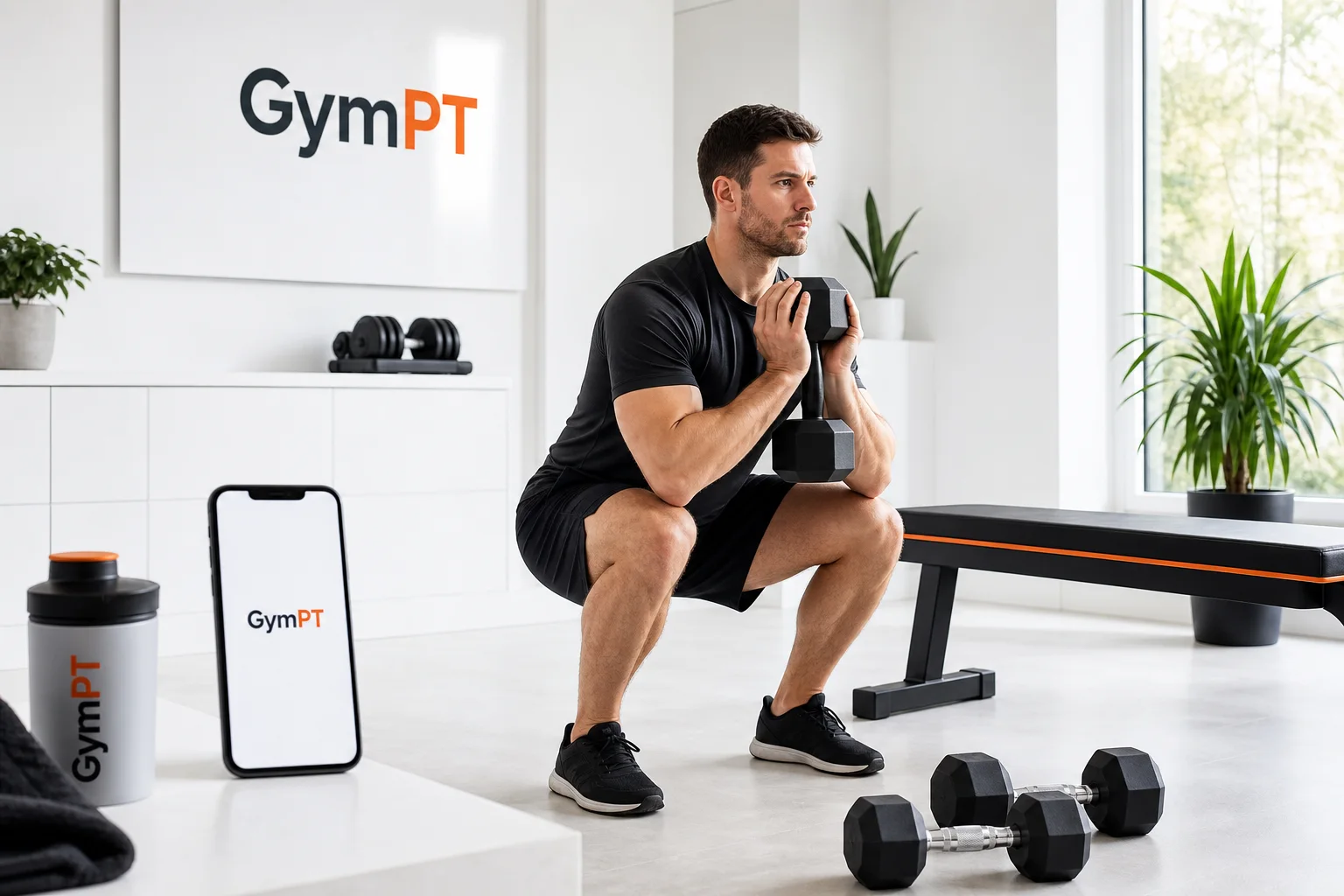
A 6 day dumbbell workout plan can be an effective way to organize strength and muscle-focused training when dumbbells are your main equipment. The key is not doing six exhausting full-body sessions. Instead, divide your weekly work across movement patterns so each muscle group receives focused training while you still have time to recover.
This plan uses a push, lower body, pull structure repeated twice per week. It is written for generally healthy adults who already have some resistance-training experience. If you are new to training, start with three or four sessions per week and build toward six only when your recovery, schedule, and technique support it.
How to use this 6 day dumbbell workout plan
Use the schedule from Monday through Saturday, then take Sunday as a full rest day or an easy movement day. You can also shift the days to fit your calendar. The order matters less than keeping the three training categories balanced.
- Day 1: Push A — chest, shoulders, and triceps
- Day 2: Lower Body A — squat-focused legs
- Day 3: Pull A — back, rear shoulders, and biceps
- Day 4: Push B — different pressing angles and shoulder emphasis
- Day 5: Lower Body B — hinge-focused legs and glutes
- Day 6: Pull B — upper back, lats, and arms
- Day 7: Rest, walking, mobility, or another low-intensity activity
Most exercises use two or three working sets. Choose a weight that lets you complete the target repetitions with controlled technique while keeping approximately one to three good repetitions in reserve. You do not need to take every set to absolute failure to make progress.
Before each workout, perform five to ten minutes of easy movement followed by lighter practice sets for the first exercise. Your warm-up should prepare you for the session rather than create additional fatigue.
The 6 day dumbbell workout plan
Day 1: Push A
- Dumbbell bench press or floor press: 3 sets of 6–10 reps
- Standing or seated dumbbell shoulder press: 3 sets of 8–12 reps
- Dumbbell squeeze press: 2 sets of 10–15 reps
- Dumbbell lateral raise: 3 sets of 12–20 reps
- Overhead dumbbell triceps extension: 2 sets of 10–15 reps
If you do not have a bench, use a floor press. The floor limits the range of motion slightly but still allows you to train the pressing muscles with a stable setup. If overhead pressing bothers your shoulders, reduce the range, use a neutral grip, or choose a lighter load that allows smooth repetitions.
Day 2: Lower Body A
- Goblet squat: 3 sets of 8–12 reps
- Dumbbell reverse lunge: 3 sets of 8–12 reps per leg
- Dumbbell Bulgarian split squat: 2 sets of 8–12 reps per leg
- Dumbbell standing calf raise: 3 sets of 12–20 reps
- Dead bug or plank: 3 controlled sets
Use a goblet squat as your main movement if you have only one heavy dumbbell. With two dumbbells, hold them at your sides or shoulders if that position feels stable. Reverse lunges are often easier to control than forward lunges because you can step back into a more predictable stance.
Day 3: Pull A
- One-arm dumbbell row: 3 sets of 8–12 reps per side
- Chest-supported dumbbell row or bent-over row: 3 sets of 8–12 reps
- Dumbbell pullover: 2 sets of 10–15 reps
- Rear-delt raise: 3 sets of 12–20 reps
- Alternating dumbbell curl: 3 sets of 8–15 reps
Keep your torso steady during rows and move the dumbbell toward your hip or lower ribs rather than shrugging it toward your neck. If you cannot support your body comfortably, perform a two-arm row with your chest angled toward the floor and a neutral spine.
Day 4: Push B
- Incline dumbbell press or feet-elevated push-up: 3 sets of 8–12 reps
- Arnold press or neutral-grip shoulder press: 3 sets of 8–12 reps
- Dumbbell fly or push-up: 2 sets of 10–15 reps
- Lean-away or standard lateral raise: 3 sets of 12–20 reps
- Dumbbell kickback or lying triceps extension: 2 sets of 10–15 reps
Day 4 should not become a repeat of Day 1 with heavier effort. Use slightly different angles or variations and stop the session if your pressing technique deteriorates. If you only have light dumbbells, increase repetitions gradually, slow the lowering phase, or add a pause instead of forcing an unstable load.
Day 5: Lower Body B
- Dumbbell Romanian deadlift: 3 sets of 8–12 reps
- Dumbbell hip thrust or glute bridge: 3 sets of 10–15 reps
- Front-foot-elevated split squat: 2 sets of 8–12 reps per leg
- Dumbbell suitcase carry: 3 carries of 20–40 seconds per side
- Side plank: 2–3 sets per side
For Romanian deadlifts, keep the dumbbells close to your legs and push your hips backward. Stop the descent when you can no longer maintain a controlled back and hip position. The goal is a strong hip hinge, not reaching the dumbbells to the floor.
Day 6: Pull B
- Dead-stop dumbbell row: 3 sets of 8–12 reps
- Renegade row or supported row: 2–3 sets of 6–10 reps per side
- Dumbbell shrug: 3 sets of 10–15 reps
- Incline curl or concentration curl: 3 sets of 10–15 reps
- Hammer curl: 2 sets of 10–15 reps
Choose supported rows instead of renegade rows if your main goal is back training rather than demanding a high level of trunk stability. The best variation is the one that lets you train the target muscles without turning the set into a balance exercise.
How to choose dumbbell exercises around your equipment
Your available equipment should shape the plan, not prevent you from training. Start by identifying which movement patterns you can perform safely:
- Press: floor press, push-up, standing press, or seated press
- Row: one-arm row, supported row, or bent-over row
- Squat: goblet squat, split squat, or lunge
- Hinge: Romanian deadlift, staggered-stance deadlift, or hip thrust
- Carry and brace: suitcase carry, farmer carry, plank, or dead bug
If you have adjustable dumbbells, use heavier loads for presses, rows, squats, and deadlifts, then lighter loads for raises and curls. If you have one fixed dumbbell, unilateral exercises are useful because each side works independently and the same weight can feel more challenging.
A bench is helpful but not essential. A sturdy elevated surface can support some variations, but do not use furniture that shifts, folds, or cannot safely support your body and the load.
How to progress without constantly buying heavier dumbbells
Use double progression. Keep the same weight until you can reach the top of the recommended repetition range for every set with solid form. Then increase the load by the smallest practical amount and return to the lower end of the range.
When heavier dumbbells are not available, progress in other ways:
- Add one repetition while maintaining technique.
- Add a controlled pause at the hardest point.
- Use a slower lowering phase.
- Increase the range of motion only when you can control it.
- Add a set cautiously to an exercise that is recovering well.
- Improve consistency by recording every completed workout.
Keep a simple record of the exercise, load, repetitions, sets, and how difficult the final set felt. A workout plan with limited equipment can help you compare substitutions when your dumbbells do not match the exercise you originally planned.
Recovery and weekly volume matter more than the six-day label
Training six days does not automatically make a program better. It mainly gives you more opportunities to distribute your weekly work. If performance declines across several sessions, your joints feel persistently irritated, or you cannot maintain technique, reduce sets or use an extra rest day.
For many people, two quality exposures per muscle group per week are enough. This plan spreads pressing, pulling, and lower-body work across the week so no single session becomes excessively long. It also keeps the final sets challenging without requiring maximal effort every day.
Sleep, regular meals, hydration, and rest between hard sets all influence how well you can perform. Rest for around two to three minutes on demanding presses, rows, squats, and Romanian deadlifts. Shorter rests can work for raises, curls, and other lower-load movements if your technique remains consistent.
If six days feels unrealistic, use Days 1–3, rest, then repeat Days 1–3. You can also convert the routine into a four-day plan by selecting one push, one pull, and two lower-body sessions each week. The simple weekly gym plan guide explains how to choose a schedule you can repeat instead of chasing an ideal routine that rarely fits your life.
How GymPT can help you adapt and track the plan
GymPT lets you build a manual program and save workout records without requiring AI assistance. That is useful when you already know which dumbbells, bench options, and exercise variations you have available.
Start by entering the exercises you can perform confidently, then record the weight and repetitions after each session. If you want help adapting the routine, you can request optional AI support or review a program proposal prepared by a connected personal trainer. AI can help organize options, but it should support—not replace—your own judgment and a real trainer’s review.
If you work with a trainer, share only the programs, workout records, and notes you choose to make available. A trainer can then review your training history, discuss recovery, and prepare a proposal for you to review. You decide whether to save and use that proposal. For a closer look at this workflow, read personal trainer workout program proposals and personal trainer client progress tracking.
Final checklist
- Choose dumbbell variations that match your available space and equipment.
- Perform two or three controlled working sets for most exercises.
- Keep one to three good repetitions in reserve on most sets.
- Progress through repetitions, load, control, or range of motion.
- Take an additional rest day when performance and recovery require it.
- Record each session so your next training decision is based on real information.
A well-designed six-day routine is simply a way to distribute manageable training. Keep the exercises practical, make gradual progress, and use your records to decide whether the plan is helping you train consistently.