2 day upper lower workout plan
2 Day Upper Lower Workout Plan: A Practical Guide to Training, Recovery, and Progression
A well-designed 2 day upper lower workout plan can build strength and muscle without requiring daily gym sessions. Learn how to structure both workouts, manage recovery, and progress week by week.
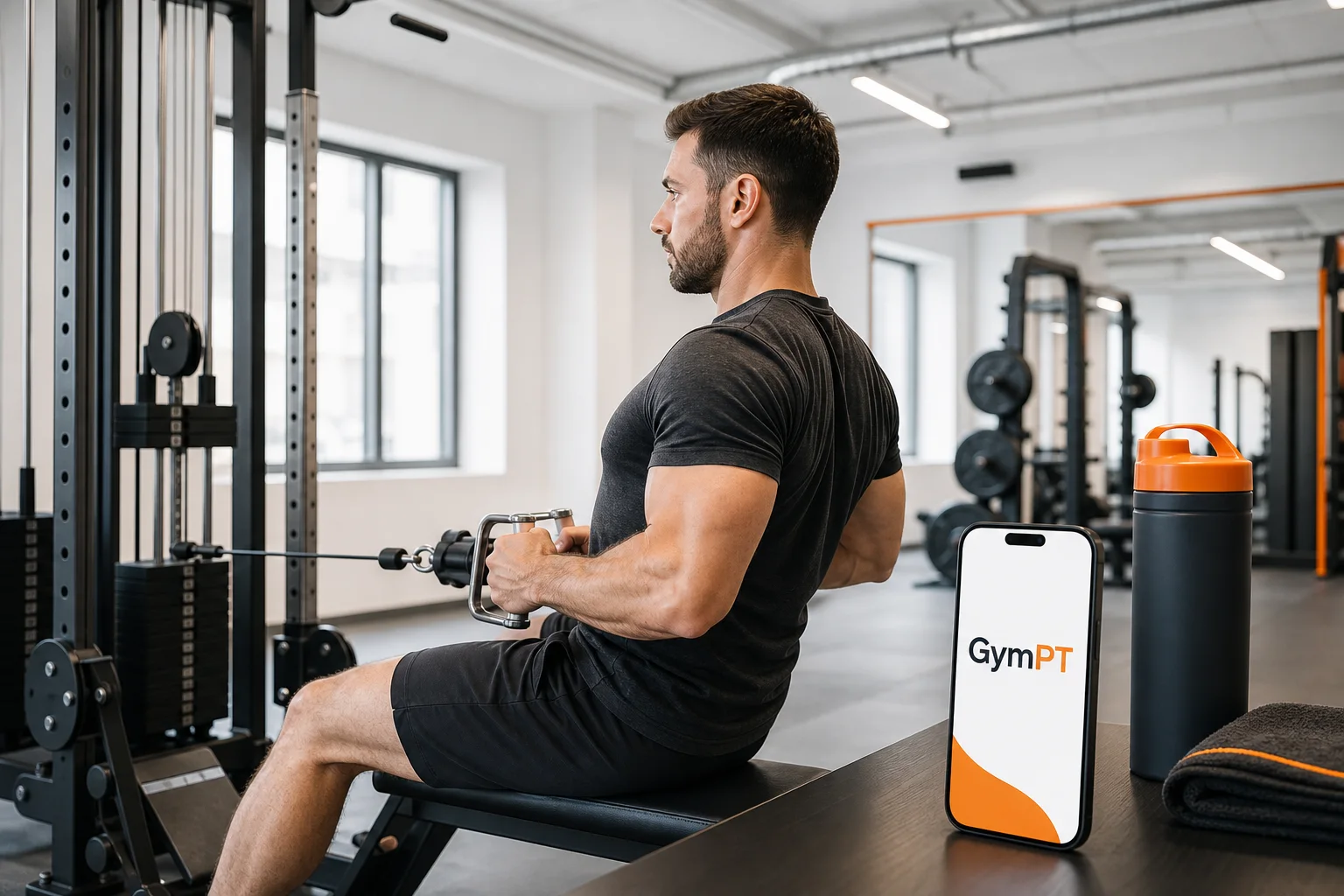
A 2 day upper lower workout plan is a practical way to train your entire body when you have limited time, prefer a simple routine, or need more recovery between gym sessions. Instead of trying to squeeze in four or five workouts, you train your upper body once and your lower body once each week.
The key is making each session purposeful. You need enough compound and accessory work to train the major movement patterns, but not so much volume that one workout leaves you exhausted for several days. With consistent effort, sensible exercise selection, and gradual progression, a two-day upper lower split can support strength, muscle gain, general fitness, and long-term consistency.
Who should use a 2 day upper lower workout plan?
This split works especially well for beginners, busy adults, people returning to training, and intermediate lifters who want a lower-maintenance routine. It can also be useful during demanding work periods, travel, or sports seasons when recovery resources are limited.
Training twice per week meets the basic muscle-strengthening frequency recommended for adults, but your results will still depend on the quality of each session, your weekly activity, nutrition, sleep, and how consistently you follow the plan.
- Beginners: Two focused sessions are enough to practice the main lifts without making training feel overwhelming.
- Busy lifters: Each workout covers several important muscle groups, so you can make progress with fewer gym visits.
- Older or returning lifters: The schedule leaves several recovery days between sessions.
- Experienced lifters: It can maintain strength and muscle during busy periods, although higher-frequency training may be useful for maximizing volume.
How to schedule your upper and lower workouts
Place at least two full days between sessions when possible. A simple schedule is:
- Monday: Upper body
- Thursday or Friday: Lower body
You can also train on Tuesday and Saturday. The exact days matter less than having enough time to recover and choosing a schedule you can repeat. Avoid placing the lower workout immediately before a demanding sport session, long hike, or another activity that heavily taxes your legs.
If you can train only on consecutive days, reduce the number of hard sets and avoid taking every exercise close to failure. The plan should fit your recovery capacity rather than forcing you to recover from an unnecessarily difficult weekend.
A complete 2 day upper lower workout plan
The following routine is designed for general strength and muscle development. Begin with the lower end of the set range, especially if you are new to resistance training. Use a weight that allows you to complete the target repetitions with controlled technique and approximately one to three good repetitions left in reserve.
Day 1: Upper body
- Bench press or machine chest press: 3 sets of 6–10 repetitions
- Seated cable row or chest-supported row: 3 sets of 8–12 repetitions
- Overhead press: 2–3 sets of 6–10 repetitions
- Lat pulldown or assisted pull-up: 2–3 sets of 8–12 repetitions
- Incline dumbbell press: 2 sets of 8–12 repetitions
- Cable curl: 2 sets of 10–15 repetitions
- Triceps pressdown: 2 sets of 10–15 repetitions
Rest for about two to three minutes after demanding compound movements. Shorter rests of 60–90 seconds are usually enough for smaller isolation exercises. If you are short on time, perform the curls and pressdowns as a controlled superset.
Day 2: Lower body
- Squat, leg press, or goblet squat: 3 sets of 6–10 repetitions
- Romanian deadlift: 3 sets of 8–10 repetitions
- Walking lunge or split squat: 2 sets of 8–12 repetitions per leg
- Leg curl: 2–3 sets of 10–15 repetitions
- Standing or seated calf raise: 3 sets of 10–15 repetitions
- Plank, cable crunch, or dead bug: 2–3 sets
Choose one main squat pattern and one hip-hinge pattern. You do not need to include every leg exercise in the same workout. If squats and Romanian deadlifts are both highly fatiguing for you, use a machine leg press or supported hinge variation to make the session easier to recover from.
How to choose exercises for a two-day split
Because each muscle group is trained directly once per week, exercise selection should cover the major movement patterns efficiently. Your upper workout should include a horizontal push, horizontal pull, vertical push, and vertical pull. Your lower workout should include a squat or knee-dominant movement, a hinge or hip-dominant movement, single-leg training, and direct calf or core work.
Free weights are not required. Machines, cables, dumbbells, resistance bands, and bodyweight exercises can all work when the resistance is challenging and the movement is performed consistently. The best choice is usually the exercise that you can perform safely, comfortably, and progressively with the equipment available.
For example, a home-based version could use push-ups, one-arm dumbbell rows, dumbbell shoulder presses, split squats, dumbbell Romanian deadlifts, glute bridges, and calf raises. GymPT can help match the plan to the equipment you actually have instead of assuming access to a full commercial gym.
How hard should each set feel?
You do not need to take every set to absolute failure. For most compound exercises, finish with roughly one to three repetitions in reserve. This means you could probably perform one to three more technically sound repetitions if required. Isolation exercises can sometimes be performed closer to failure because they usually create less whole-body fatigue.
Use technique as your first guide. If your range of motion becomes inconsistent, your posture breaks down, or you need to swing the weight, the set has probably gone far enough. A challenging set with controlled form is more useful than a heavier set that turns into a different exercise.
How to progress your 2 day upper lower workout plan
Use a simple double-progression method:
- Choose a repetition range, such as 8–12.
- Keep the same weight until you can reach the top of the range on all working sets with good form.
- Increase the load by a small amount during the next workout.
- Expect your repetitions to drop toward the lower end of the range, then build them up again.
For example, if you perform three sets of bench presses at 10, 9, and 8 repetitions, keep the same weight next time. When you can complete 12, 12, and 12 with reliable technique, add a small amount of resistance and begin building again.
Progression does not always mean adding weight. You can also improve by completing more repetitions with the same load, adding a set, improving range of motion, using more controlled technique, or reducing unnecessary rest while maintaining performance. Keep only one or two progression goals active at a time so your training remains easy to track.
Volume and recovery: what matters most?
A two-day schedule concentrates your weekly work into longer sessions, so recovery deserves attention. Beginners can often make progress with approximately two working sets per exercise. More experienced lifters may need additional sets, but adding volume too quickly can make the workouts difficult to complete and recover from.
Start with a manageable workload for three to four weeks. If your performance is improving, soreness is reasonable, and motivation remains stable, continue. If you are consistently tired, losing repetitions, or feeling joint discomfort, reduce sets before changing the entire plan.
- Sleep consistently and aim for a regular bedtime.
- Eat enough total food to support your goal.
- Include a reliable source of protein in your meals.
- Keep light walking or easy activity on rest days if it helps you feel better.
- Use a lighter week when fatigue accumulates across several workouts.
Recovery is not a reason to avoid hard training. It is the process that allows hard training to produce adaptation.
Common mistakes with a 2 day upper lower split
Trying to fit four workouts into two sessions
Adding endless exercises can turn a practical routine into a three-hour workout. Prioritize the main movement patterns first, then add only the accessory work you can recover from.
Changing exercises every week
Frequent variation makes it difficult to tell whether you are actually getting stronger. Keep your main exercises stable for at least several weeks before making major changes.
Training too hard after a long break
Muscle soreness is not a progress score. Begin with conservative weights and stop sets before technique deteriorates. You can increase effort as your work capacity returns.
Ignoring the rest of the week
Two resistance sessions are a foundation, not a complete activity plan for everyone. Depending on your goals, add walking, easy cycling, mobility work, or other enjoyable activity on non-lifting days.
How GymPT can personalize this plan
A template is a useful starting point, but the best routine depends on your goal, training experience, available equipment, time, and recovery. GymPT can help create a personalized upper lower split, suggest substitutions when equipment is unavailable, track your completed sets and repetitions, and use your progress to guide future workouts.
If you are new to structured training, you may also find our guide to an AI workout coach for beginners useful. For a broader look at how personalized digital coaching works, read our article on the AI strength coach app. If you are comparing different weekly schedules, our guides to a 3 day full body workout plan and a 2 day push pull legs workout plan offer alternative structures.
The bottom line
A well-planned 2 day upper lower workout plan can be enough to build a consistent strength-training habit and make meaningful progress. Train the major movement patterns, use exercises that fit your equipment, keep most sets challenging but controlled, and progress gradually over time.
The best split is not the one that looks most advanced. It is the one you can repeat, recover from, and improve on for months. Start with the version above, adjust the exercises to your needs, and let your training log—not guesswork—guide the next step.