2 day gym workout plan
2 Day Gym Workout Plan: A Full-Body Routine That Builds Strength and Muscle
A two-day schedule can build strength, muscle, and consistency when each session trains the major movement patterns and progression is planned. Use this practical full-body gym workout plan to get more from fewer weekly sessions.
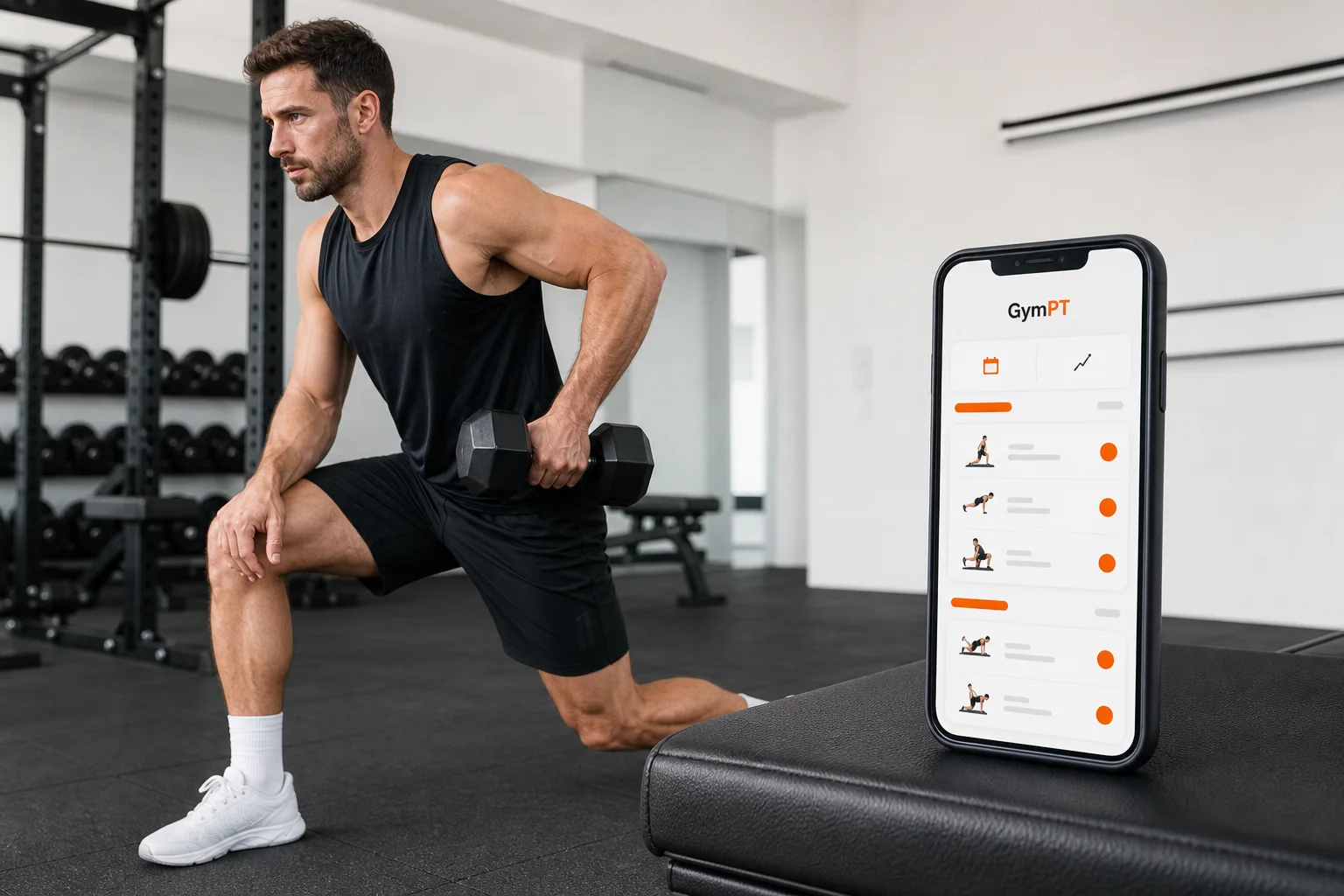
A 2 day gym workout plan can be enough to make meaningful progress, especially when your schedule makes training more often difficult. The key is not to cram every possible exercise into two exhausting sessions. Instead, use two focused full-body workouts that cover the major movement patterns, leave room for recovery, and give you a clear way to improve over time.
This approach works well for beginners, busy professionals, people returning to training, and experienced lifters who want a lower-maintenance schedule. It can support strength, muscle gain, general fitness, and consistency—as long as the plan matches your current level and you perform it regularly.
What makes a 2 day gym workout plan effective?
With only two gym visits, each session should train your whole body rather than assigning one workout exclusively to the chest or legs. A full-body structure gives each major muscle group repeated weekly exposure while keeping the total number of exercises manageable.
The most useful structure includes:
- A knee-dominant movement: such as a squat, leg press, split squat, or step-up.
- A hip-dominant movement: such as a Romanian deadlift, hip thrust, or back extension.
- A horizontal push: such as a bench press, machine chest press, or push-up.
- A horizontal pull: such as a cable row, dumbbell row, or chest-supported row.
- A vertical push or pull: such as an overhead press or lat pulldown.
- Optional smaller-muscle work: including lateral raises, curls, triceps extensions, calves, or core training.
Research comparing full-body and split routines suggests that the split itself is not the main driver of results when total training volume is similar. For a two-day schedule, full-body training is simply an efficient way to distribute that work.
The best weekly schedule for two gym sessions
Start with at least one rest day between workouts. A simple schedule is:
- Monday: Workout A
- Tuesday: Rest, walking, or light mobility
- Wednesday through Friday: Rest or low-intensity activity
- Saturday: Workout B
- Sunday: Rest
You can also train on Tuesday and Friday, Wednesday and Saturday, or any two days that you can repeat consistently. The best schedule is the one that protects your recovery and makes it realistic to show up every week.
Two weekly resistance-training sessions also align with broad physical-activity guidance recommending muscle-strengthening activity for the major muscle groups on at least two days per week. You do not need to make both gym sessions brutally intense. Consistent, repeatable training is more useful than occasional maximal effort.
A practical 2 day full-body workout plan
Use the following plan for 8–12 weeks before making major changes. Begin with the lower end of the set recommendations if you are new to resistance training, then add work gradually as your technique and recovery improve.
Workout A: Squat, press, and row emphasis
- Leg press or back squat: 3 sets of 5–8 repetitions
- Bench press or machine chest press: 3 sets of 6–10 repetitions
- Seated cable row: 3 sets of 8–12 repetitions
- Romanian deadlift: 2 sets of 8–10 repetitions
- Lat pulldown: 2 sets of 8–12 repetitions
- Plank or cable crunch: 2–3 sets
Rest about two to three minutes after the first three exercises and around one to two minutes for the remaining movements. If the session feels too long, perform two sets for each accessory exercise rather than skipping the main movements.
Workout B: Hinge, vertical press, and single-leg emphasis
- Trap-bar deadlift or hip thrust: 3 sets of 5–8 repetitions
- Overhead press or machine shoulder press: 3 sets of 6–10 repetitions
- Bulgarian split squat or walking lunge: 2–3 sets of 8–12 repetitions per leg
- Chest-supported dumbbell row: 3 sets of 8–12 repetitions
- Incline dumbbell press: 2 sets of 8–12 repetitions
- Lateral raise and cable curl: 2 sets of 10–15 repetitions each
This gives you repeated practice with the main movement patterns without making both days identical. The variation can make training more enjoyable while still keeping enough consistency to track performance.
How to adapt the plan to your experience level
Beginners
If you have little or no lifting experience, start with two sets for most exercises and choose stable variations. Machines, goblet squats, supported rows, and controlled dumbbell exercises can make it easier to learn the movement without being distracted by balance or setup.
Keep about two or three repetitions in reserve on most sets. In practical terms, you should finish the set feeling that you could have performed a few more clean repetitions. This gives you room to practice technique and recover before your next session.
Intermediate lifters
If you have trained consistently for several months, use the full set recommendations and add one or two accessory movements for areas you want to prioritize. For example, you might add calf raises, a second arm exercise, or an extra set for hamstrings.
Do not increase everything at once. Add volume only when your performance is stable, your sessions are recoverable, and you still have time to complete the workouts with good form.
Returning after a layoff
For your first two weeks back, reduce both load and volume. Two sets per exercise, moderate weights, and controlled repetitions are usually more productive than trying to match your previous numbers immediately. Rebuild momentum first, then progress.
How to progress on a two-day schedule
A plan becomes useful when it tells you what to do next. The simplest method for this routine is double progression:
- Choose a weight that allows you to reach the lower end of the repetition range with good form.
- Keep the same weight until you can complete the top end of the range for every working set.
- Increase the load slightly at the next session.
- Return to the lower end of the range and build up again.
For example, if your bench press is programmed for three sets of 6–10 repetitions, you might complete 8, 8, and 7 repetitions in week one. Keep the same load until you can perform 10, 10, and 10 with controlled technique. Then increase the weight by the smallest practical amount.
Progress does not always mean adding weight. You can also improve by completing more repetitions, using a more controlled range of motion, reducing unnecessary rest, or performing the same work with better technique. Track the exercise, load, repetitions, and how difficult the set felt so you can distinguish real progress from a good day.
How hard should each set be?
You do not need to take every set to complete muscular failure. For most compound exercises, stop when you estimate that you have one to three good repetitions left. On simpler isolation exercises, you can occasionally work closer to failure if your form remains controlled.
This approach balances training stimulus with fatigue. It also makes it easier to recover when each muscle group is trained in both weekly sessions. If your repetitions fall sharply from set to set, your technique breaks down, or soreness affects the next workout, reduce the load or stop the set earlier.
Warm-up and recovery guidelines
Before each workout, spend five to ten minutes raising your body temperature with easy cycling, walking, or rowing. Then perform a few movement-specific warm-up sets for your first major exercise. You do not need a complicated warm-up routine; the goal is to feel prepared without creating fatigue.
Between sessions, prioritize sleep, adequate food, hydration, and light daily movement. Walking on rest days can support general activity without interfering with your lifting. Avoid turning every non-gym day into another intense workout, particularly when you are still adapting to the program.
If an exercise causes sharp or unusual pain, stop and choose a comfortable alternative. Fitness programming cannot diagnose injuries, so persistent symptoms should be assessed by a qualified healthcare professional.
Equipment substitutions that keep the plan flexible
You do not need one specific piece of equipment to follow this routine. Match the movement pattern instead of chasing a particular exercise.
- Squat alternative: leg press, goblet squat, hack squat, or split squat.
- Bench press alternative: dumbbell press, machine press, or push-up.
- Row alternative: cable row, chest-supported row, or one-arm dumbbell row.
- Romanian deadlift alternative: hip thrust, cable pull-through, or back extension.
- Lat pulldown alternative: assisted pull-up or resistance-band pulldown.
- Overhead press alternative: landmine press or machine shoulder press.
If your gym is crowded, select the closest available alternative and keep the same sets, repetitions, and effort target. An equipment-based training system such as GymPT can also help organize substitutions around the machines, free weights, or home equipment you actually have.
When a two-day plan is the right choice
Choose this schedule when two sessions are the maximum you can protect each week. It is especially useful if you are building a training habit, balancing work and family commitments, or maintaining strength during a busy season.
If you consistently have a third training day available, you may eventually benefit from spreading the same weekly work across three sessions. That does not make the two-day plan ineffective; it may simply make higher training volumes easier to perform with less fatigue per session.
For more help comparing structures, see our 2 day upper lower workout plan, or explore a 3 day full body workout plan when your schedule allows an additional session. If you want more personalized exercise selection and coaching feedback, an AI strength coach app can help you adjust training around your goals and available equipment.
Make the plan personal, then repeat it
The best two-day routine is not the one with the most exercises. It is the one you can perform with good technique, recover from, and repeat long enough to measure improvement.
Start with the plan above, record every workout, and make small changes only when the data gives you a reason. After several weeks, you should know which exercises feel strongest, where progress has slowed, and whether your recovery supports more work. That information is more valuable than constantly switching programs.
Two focused gym sessions, repeated consistently, can become a strong foundation for long-term strength and muscle development.