
2 Day Push Pull Legs Workout Plan: A Practical Weekly Split
A classic push-pull-legs split uses three sessions. If you can train twice a week, use this practical hybrid to cover your major muscle groups, recover between sessions, and progress without cramming in a third workout.
In this article
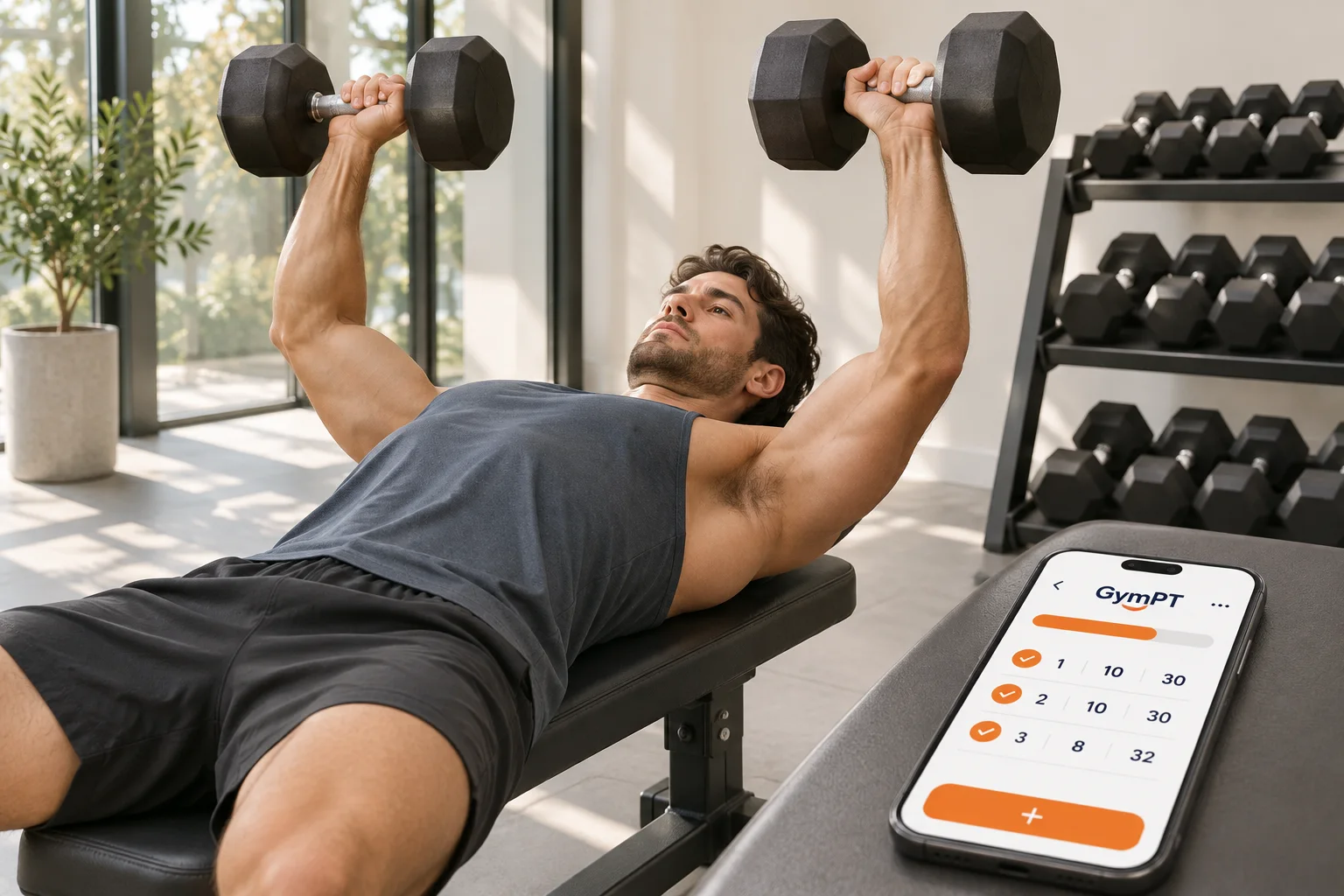
A classic push-pull-legs split separates pushing exercises, pulling exercises, and lower-body work into three different workouts. If you can train only twice a week, doing just two of those sessions each week can leave one training category out. A better 2 day push pull legs workout plan is a hybrid: train your whole body across both sessions, while giving each day a different push-or-pull emphasis.
This approach suits members who want a repeatable gym routine, whether they are new to strength training or returning to a consistent schedule. You will train major muscle groups on both days, keep a few days between sessions when possible, and build the plan around your available time and equipment.
How a two-day push-pull-legs hybrid works
Push-pull-legs is a way to organize exercises, not a rule that requires a particular number of weekly workouts. A traditional version has a push day, a pull day, and a leg day. With two weekly sessions, combine those categories so that neither workout leaves out an entire part of the body.
The sample plan below uses a push emphasis in Workout A and a pull emphasis in Workout B. Both workouts include upper-body and lower-body movements. That makes the schedule more balanced than doing only “push” on one day and only “pull” on the other, which may miss some leg or upper-body work.
For general fitness, U.S. activity guidance recommends muscle-strengthening activity involving all major muscle groups on at least two days a week. That does not mean every person needs the same exercises or amount of work. Start with a manageable number of sets, then adjust based on your experience, goals, schedule, and recovery.
Two-day push-pull-legs workout plan
Use the sessions on nonconsecutive days—for example, Monday and Thursday, or Tuesday and Friday. The exercises are examples, not requirements. Choose a comfortable variation that fits your equipment and current skill.
Workout A: Push emphasis, squat, and core
- Squat pattern: Goblet squat, leg press, or a squat variation — 2–3 sets of 6–10 reps
- Horizontal push: Dumbbell bench press or machine chest press — 2–3 sets of 6–12 reps
- Horizontal pull: Seated cable row or chest-supported row — 2–3 sets of 8–12 reps
- Shoulder push: Seated dumbbell shoulder press or machine press — 2 sets of 8–12 reps
- Hamstring accessory: Seated or lying leg curl — 2 sets of 10–15 reps
- Core: Dead bug, plank, or a controlled cable exercise — 2 sets
Time-saving option: Pair the chest press with the row, then alternate sets. Keep enough rest to perform each set with control; do not rush a challenging lift just to finish faster.
Workout B: Pull emphasis, hinge, and upper-body balance
- Hip-hinge pattern: Romanian deadlift with dumbbells, or a suitable machine variation — 2–3 sets of 6–10 reps
- Vertical pull: Lat pulldown or assisted pull-up — 2–3 sets of 8–12 reps
- Upper-body push: Incline dumbbell press or machine chest press — 2 sets of 8–12 reps
- Single-leg or knee-dominant move: Split squat, step-up, or leg press — 2 sets of 8–12 reps per side where applicable
- Shoulder or upper-back accessory: Cable lateral raise or reverse fly — 2 sets of 10–15 reps
- Optional arms: Biceps curl or triceps extension — 1–2 sets of 10–15 reps
Pick a load that lets you complete the listed reps with steady technique. As a simple effort guide, finish most sets feeling that you could still do a few good-quality repetitions. You do not need to take every set to all-out failure.
Adjust the plan to your training level
If you are a beginner
Start with two sets per movement and choose variations you can perform confidently. You can also use stable machines while you learn the movement patterns. Keep the first few weeks focused on consistent attendance, controlled repetitions, and recording what you actually complete. If six exercises feel like too much, remove the optional arms or core work first.
If you have some training experience
Use three sets for the first two or three movements in each workout, and two sets for the remaining accessories. Add volume only when you are recovering well and progressing with the work you already do. More exercises are not automatically better if they make the sessions too long or reduce the quality of later sets.
If your main goal is muscle growth
Track challenging weekly sets for each muscle group rather than judging the plan by its name. The example provides a starting point, not a guaranteed ideal amount. Research reviews generally find that training volume matters, while the best amount varies among people and goals. Build gradually: first make the routine consistent, then consider adding a set to a movement that targets a priority area.
Recovery and weekly scheduling
Leave at least a day between workouts when your schedule allows. A Monday-and-Thursday pattern gives you more room between sessions than training on consecutive days. Rest days do not need to mean complete inactivity; easy walking or other comfortable activity can fit around strength training.
Use your next workout as feedback. If performance is repeatedly falling, your technique is getting harder to maintain, or ordinary training soreness is interfering with your next session, consider reducing a set, lowering the load, or taking more recovery time. If discomfort feels sharp, unusual, or persistent, stop that movement and seek appropriate professional guidance rather than trying to train through it.
Progress the plan without changing everything
Use a simple rep-range progression so you can see whether your work is moving forward:
- Choose a load that allows you to complete the lower end of the rep range with controlled form.
- Keep the load steady and add a repetition here and there as the sets become more comfortable.
- When you can reach the top of the range on all sets with good control, increase the load by a small amount next time.
- Return toward the lower end of the range and repeat the process.
For example, if your target is 8–12 reps, you might progress from 8, 8, and 9 to 10, 10, and 10 before reaching 12s. Make one change at a time: load, reps, or sets. Keeping exercises consistent for several weeks makes your training records easier to compare.
When another split may fit better
If you can reliably train three days per week, a conventional push-pull-legs schedule becomes easier to organize. If you prefer to train the whole body each session, a two-day full-body routine may be a simpler fit. And if equipment availability shapes your choices, select variations you can repeat reliably.
Explore a beginner workout split, compare a three-day full-body plan, or use this two-day machine-only workout as an equipment-based alternative. If you want a broader guide to planning a week, see the four-day full-body workout plan.
Make the plan yours
The best two-day split is one you can repeat and adjust. In GymPT, you can build a training plan manually without AI credits, save workout records with a free account, or request optional AI support if it suits your planning process. A real personal trainer can also prepare a program proposal for you to review; you decide whether to save and use it. Shared programs, workout records, and notes are visible to a trainer only when you permit them to be shared.
Start with the two sessions above, record the exercises, loads, and repetitions you complete, and review the pattern after a few weeks. Keep what works, modify what does not fit your equipment or schedule, and progress in small steps rather than rebuilding the plan every workout.