Gym Member Engagement Through Coaching: A Practical Workflow for Gyms
Member engagement is easier to support when coaching is consistent, visible and permission-based. Learn how gyms can connect members, personal trainers and staff around better training workflows.
In this article
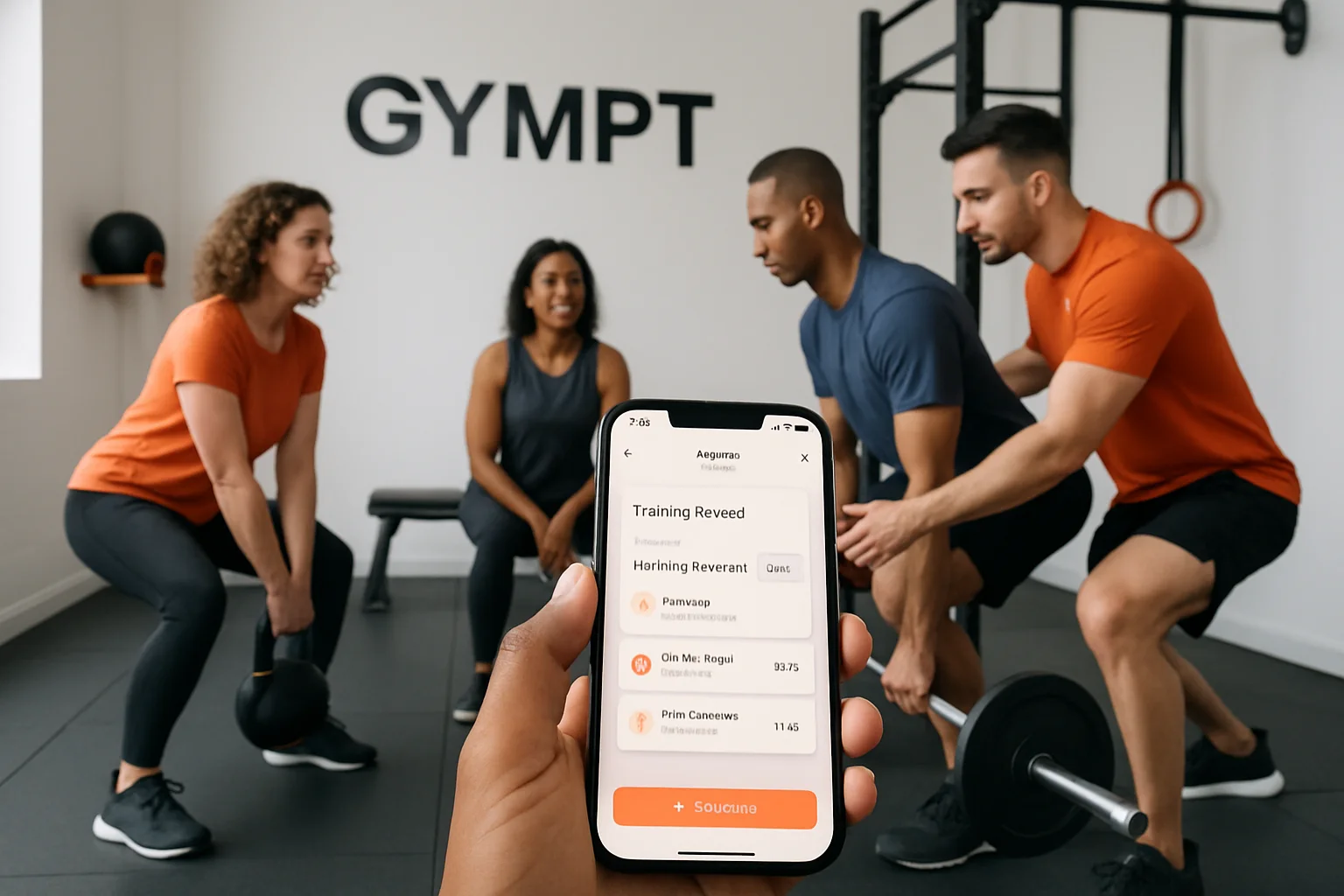
Gym member engagement through coaching is not about sending more reminders or adding more features to a member portal. It is about making useful support easier to access at the moments when members need direction, feedback or a clear next step.
For gym owners and staff, that usually means connecting three parts of the member experience: the member’s own training records, the personal trainer’s professional judgment and the gym’s approved operational structure. When these pieces work together, members can move from broad intentions to practical actions without losing control of their information.
Research on exercise adherence consistently points toward the value of goal setting, self-monitoring, instruction, feedback and social support. Those ideas do not require a complicated technology stack. They require a repeatable workflow that helps members understand their plan, record what they do and receive relevant coaching when they choose to share it.
What gym member engagement through coaching really means
Engagement is sometimes reduced to attendance or app activity. Those measures may be useful to a gym internally, but they do not explain whether a member understands their program, feels supported or knows how to adjust after a difficult week.
A coaching-led engagement model looks at the quality of the member’s next decision. For example:
- Can the member find a realistic training plan for the week?
- Can they record completed workouts and useful notes?
- Can they ask a real trainer for input when they want it?
- Can the trainer review only the information the member has permitted them to see?
- Can the gym maintain clear connections between members, trainers, staff roles and branches?
This approach keeps engagement practical. It does not promise that every member will train consistently or that every gym will achieve a specific retention or revenue result. Instead, it gives staff a structured way to reduce avoidable friction around coaching.
Why coaching can support more consistent member participation
Adults benefit from regular aerobic activity and muscle-strengthening work, but knowing the general guidelines is not the same as following a plan. Members often need help translating a broad goal into a schedule that fits their experience, available equipment and current week.
That is where coaching becomes valuable. A trainer can help a member choose an appropriate starting point, explain exercise decisions and review what happened between sessions. A clear record also gives the member something concrete to discuss instead of relying entirely on memory.
Support should be specific rather than constant. A short, relevant review of a member’s recent training may be more useful than a stream of generic motivation. The strongest workflow is usually one that combines:
- Planning: deciding what the member intends to do.
- Recording: capturing completed sessions, exercises and notes.
- Reviewing: looking for patterns, obstacles or questions.
- Adjusting: agreeing on a sensible next step.
This cycle can support autonomy because the member remains involved in the decision. The trainer provides expertise, but the process does not treat the member as a passive recipient of instructions.
Build a simple gym member coaching workflow
1. Start with a clear member goal and current context
Before recommending a program, the trainer should understand what the member is trying to accomplish and what constraints shape the week. Useful context may include training experience, preferred schedule, available equipment and the member’s own notes about recent sessions.
Gym staff do not need unrestricted access to every member detail to support this process. A permission-based system is more appropriate: the member decides what to share, and the trainer works from the information that has been made available for coaching.
For gym teams, the practical standard is simple: do not assume that a member’s connection to a gym means every staff member can view their training information. Define who is approved to connect, which branch or staff role is involved and what the member has chosen to share.
2. Make the first plan easy to understand
A plan should answer basic questions without forcing the member to interpret vague instructions:
- What should I do this week?
- How many sessions are realistic?
- Which exercises are included?
- What should I record after each session?
- When should I ask for a review?
GymPT supports several ways to begin. A member can create a manual program without using AI credits, request optional AI assistance where available or review a program proposal prepared by a personal trainer. The important point for gym operations is that AI is not the decision-maker. A trainer can prepare a proposal manually or with optional AI support in the web workspace, while the member reviews the proposal and decides whether to save and use it.
This member review step matters. It creates a clear handoff between professional programming and member choice rather than silently applying a plan the member has not accepted.
3. Use workout records as conversation material
Training records are most useful when they lead to a better conversation. A trainer might review whether the member completed the intended sessions, which exercises were difficult, whether equipment limitations affected the plan or whether the member left a question in their notes.
That does not mean every entry requires a detailed response. Gyms can define a practical review rhythm, such as a weekly check-in for actively coached members or a review after a program milestone. The rhythm should match the service being offered and the trainer’s capacity.
In GymPT, personal trainers review only the programs, workout records and notes that clients permit them to share. Optional weekly AI summaries also depend on the appropriate permissions. This keeps the workflow useful without treating private training information as automatically visible to a gym-wide audience.
Give trainers a repeatable communication pattern
Many coaching workflows become inconsistent because every trainer follows a different process. A simple communication pattern can help staff deliver a more dependable experience while preserving professional judgment.
One practical pattern is:
- Acknowledge: identify what the member completed or reported.
- Clarify: ask one focused question if the situation is unclear.
- Interpret: explain what the record suggests without overreaching.
- Recommend: provide one or two actionable adjustments.
- Confirm: ask the member whether the proposed next step fits their week.
For example, a trainer might notice that a member completed two strength sessions but skipped the third because the planned equipment was unavailable. The useful response is not simply “try harder.” It may be to offer an equipment-compatible alternative, reduce the weekly target temporarily or ask the member to select a more convenient training day.
This style of communication is specific, respectful and connected to the member’s actual record. It also creates a useful distinction between coaching and automated messaging. Technology can organize information or help draft a response, but a qualified trainer remains responsible for reviewing the recommendation and deciding what is appropriate.
Use gym technology without weakening privacy
Digital fitness tools are increasingly part of the member experience, but convenience should not replace clear access controls. A gym implementation should answer four questions before inviting staff to use a coaching platform:
- Which members have approved a connection with a trainer or gym?
- Which staff roles can manage or review that connection?
- Which branches can each staff member access?
- What information has the member explicitly permitted to be shared?
GymPT allows gyms to manage accessible branches, staff roles and approved GymPT connections. This supports a more controlled operating model for multi-location organizations. A branch manager may need branch-level visibility for approved connections, while a trainer may need access to the records shared by their own clients. Those are different responsibilities and should not be treated as the same permission.
Clear permissions also make member communication easier. Staff can explain what a trainer can see, what remains private and how a member can change their sharing choices. Trust is not a separate feature of engagement; it is part of the coaching experience.
How gyms can implement the workflow in practice
For a new member
- Introduce the available coaching and trainer connection options during onboarding.
- Explain that the member controls which programs, records and notes are shared.
- Help the member create a realistic manual plan or identify a trainer for a proposal.
- Set a first review point based on the member’s schedule.
For an existing member who has become inconsistent
- Review only the training information the member has permitted the trainer to access.
- Look for a practical barrier, such as time, equipment, unclear exercise selection or an unrealistic weekly target.
- Offer one adjustment rather than rebuilding everything automatically.
- Ask the member to confirm the revised plan before treating it as active.
For a multi-branch gym
- Define which staff roles can manage connections and branch access.
- Keep trainer-client relationships explicit rather than relying on informal assumptions.
- Use a consistent member consent explanation across branches.
- Review access periodically when staff responsibilities change.
Where optional AI can help—and where it should stop
Optional AI support can reduce administrative effort. It may help a member explore a training structure, help a trainer prepare a draft or summarize permitted information for review. These uses can be helpful when they leave room for human judgment and member choice.
AI should not be presented as a replacement for a real personal trainer, a diagnosis tool or an unrestricted gym intelligence layer. It should not be used to imply that gym staff can analyze all member health information without permission.
GymPT’s core training use does not require a paid subscription. A free account can save records and connections, while some optional AI actions may require credits. Eligible Premium features have separate requirements shown before use. Communicating these boundaries clearly helps staff set accurate expectations and keeps the coaching workflow focused on usefulness rather than automation for its own sake.
Measure workflow quality without promising outcomes
Gyms can review whether their coaching process is functioning without claiming that a particular workflow guarantees retention, attendance or revenue. Practical operational questions include:
- Are members completing the first planning step?
- Are trainer connections approved and correctly assigned?
- Are shared records sufficient for the trainer’s intended review?
- Are proposals being reviewed and saved by members when appropriate?
- Do staff understand branch and role permissions?
- Are follow-ups specific enough to create a clear next action?
These checks help managers identify process gaps. They also make staff training more concrete. Instead of telling trainers to “engage members better,” a gym can teach them how to review permitted records, ask focused questions, draft a proposal and confirm the member’s decision.
A practical standard for better coaching connections
The most sustainable approach to gym member engagement through coaching is usually not the most complicated one. Start with a clear plan, record what happened, review only what the member has shared and make the next step easy to understand.
For gyms, GymPT can support that process by connecting members, real personal trainers and approved gym teams in one permission-based workflow. Members keep control of their choices and shared information. Trainers can use professional judgment when reviewing records or preparing proposals. Gym staff can manage branches, roles and approved connections without assuming access to every member detail.
When coaching is organized this way, technology serves the relationship rather than replacing it. The result is a clearer path from member intention to practical action—one that gyms can explain, manage and improve over time.