5 Day Dumbbell Workout Plan: Build a Balanced Week With the Equipment You Have
This 5 day dumbbell workout plan helps you train your full body across the week, adapt to limited equipment and progress without making every session maximal.
In this article
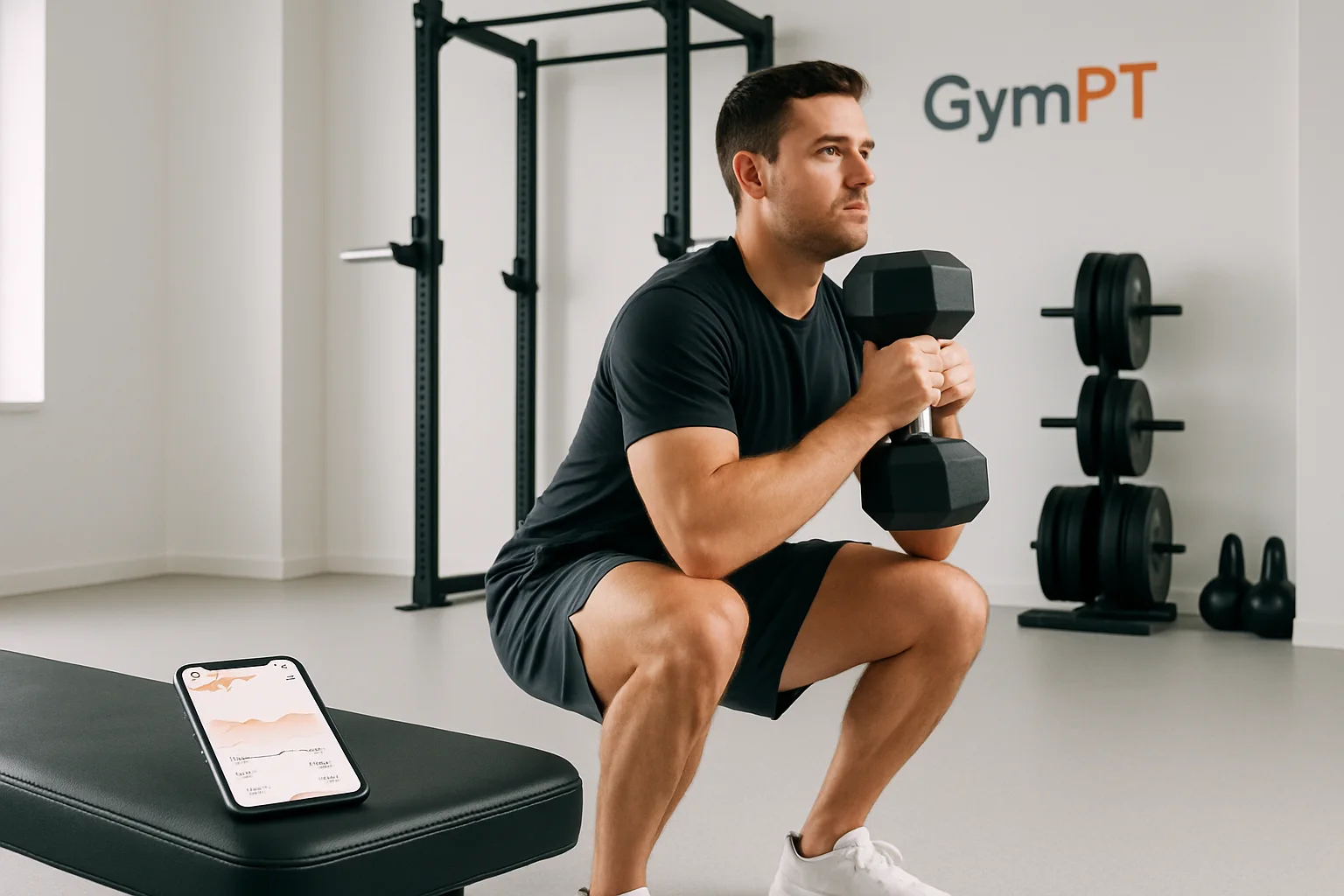
A 5 day dumbbell workout plan can be an effective way to organize strength training when dumbbells are your main equipment. The key is not simply adding five difficult workouts in a row. A useful plan distributes movement patterns, manages fatigue and gives you practical ways to adjust exercises when your dumbbells, bench or training space are limited.
The routine below is designed for generally healthy adults who want a structured dumbbell week. You can perform it at home or in a gym, and you can adapt the exercises based on the dumbbell pairs and accessories available to you. If you are returning from an injury, have a medical condition or are unsure whether an exercise is appropriate, seek qualified professional advice before training.
How to structure a 5 day dumbbell workout plan
Five training days do not need to mean five maximal-effort sessions. A balanced approach combines harder strength-focused days with moderate-volume sessions and at least one lower-stress day. This helps you train frequently while keeping the quality of your sets high.
For most exercises, begin with 2 to 4 working sets. A practical repetition range is 6 to 12 repetitions for many compound movements and 10 to 20 repetitions for smaller isolation exercises. Stop most sets with around one to three technically sound repetitions still available rather than forcing every set to failure.
Research on resistance training suggests that total weekly work matters greatly, while the best training frequency depends on how you distribute that work and how well you recover. A five-day schedule can therefore work well when each muscle group is trained with sensible volume rather than being exhausted every day.
5 day dumbbell workout plan
Day 1: Lower body strength
Start the week with the movements that require the most coordination and effort. Rest for roughly two to three minutes after challenging compound sets and keep your range of motion controlled.
- Dumbbell goblet squat: 3 sets of 6–10 repetitions
- Dumbbell Romanian deadlift: 3 sets of 8–12 repetitions
- Reverse lunge: 3 sets of 8–10 repetitions per side
- Standing calf raise: 3 sets of 12–20 repetitions
- Side plank: 2–3 sets per side
Use a goblet squat when you have one heavier dumbbell, or hold two dumbbells at your sides if that position feels more comfortable. During Romanian deadlifts, keep the dumbbells close to your legs and move through the hips rather than rounding your back to reach lower.
Day 2: Upper body push and pull
This dumbbell workout split pairs pressing and rowing so you train the upper body without relying on a large machine setup.
- Dumbbell floor press or bench press: 3 sets of 6–12 repetitions
- One-arm dumbbell row: 3 sets of 8–12 repetitions per side
- Standing dumbbell shoulder press: 3 sets of 6–10 repetitions
- Dumbbell reverse fly: 2–3 sets of 12–20 repetitions
- Dumbbell curl: 2–3 sets of 10–15 repetitions
- Overhead dumbbell triceps extension: 2–3 sets of 10–15 repetitions
If you do not have a bench, the floor press is a useful alternative. For the one-arm row, brace your free hand on a sturdy surface and keep your torso stable. If your dumbbells are light, make the exercise harder with a slower lowering phase or a brief pause near the top.
Day 3: Moderate full-body training
Day 3 should feel productive without competing with the harder sessions around it. Use slightly lighter weights, controlled repetitions and shorter but comfortable rest periods.
- Dumbbell split squat: 3 sets of 8–12 repetitions per side
- Dumbbell push-up row: 3 sets of 6–10 repetitions per side, or perform a supported row
- Dumbbell hip thrust or glute bridge: 3 sets of 10–15 repetitions
- Dumbbell lateral raise: 3 sets of 12–20 repetitions
- Farmer carry: 3 rounds of 30–60 seconds
Choose the supported row instead of a push-up row if balancing on the dumbbells causes your hips or shoulders to rotate. The goal is to train the intended muscles safely and consistently, not to make the exercise look more advanced than it needs to be.
Day 4: Lower body hypertrophy and single-leg control
The fourth day emphasizes unilateral training and moderate-to-higher repetitions. Single-leg exercises are useful when you have limited load because they can make a manageable dumbbell feel more challenging.
- Dumbbell Bulgarian split squat or rear-foot-elevated split squat: 3 sets of 8–12 repetitions per side
- Dumbbell sumo squat: 3 sets of 10–15 repetitions
- Single-leg Romanian deadlift: 3 sets of 8–12 repetitions per side
- Dumbbell step-up: 2–3 sets of 8–12 repetitions per side
- Seated or standing calf raise: 3 sets of 12–20 repetitions
Use a stable, appropriate-height step for step-ups. Drive through the working leg instead of jumping from the trailing foot. If balance limits the exercise, hold one dumbbell, use a support with your free hand or replace the movement with a regular reverse lunge.
Day 5: Upper body volume and core
Finish the week with upper-body volume and simple core work. Keep one or two repetitions in reserve on most sets so you end the week feeling trained rather than depleted.
- Incline dumbbell press or floor press: 3 sets of 8–12 repetitions
- Chest-supported dumbbell row or one-arm row: 3 sets of 8–12 repetitions
- Dumbbell Arnold press or neutral-grip shoulder press: 2–3 sets of 8–12 repetitions
- Dumbbell pullover: 2–3 sets of 10–15 repetitions
- Hammer curl: 2–3 sets of 10–15 repetitions
- Dumbbell triceps kickback or close-grip floor press: 2–3 sets of 10–15 repetitions
- Dead bug: 2–3 sets per side
Take the weekend as recovery time, or use one day for easy walking, mobility work or another low-intensity activity. Adults are also generally advised to include muscle-strengthening activity on at least two days each week, but your exact schedule should fit your experience, time and recovery.
How to adapt the plan to your available equipment
The best dumbbell workout plan is the one you can perform consistently with the equipment you actually have. Before starting, make a quick equipment profile:
- One adjustable dumbbell: Favor goblet squats, one-arm presses, one-arm rows, split squats and suitcase carries.
- One pair of fixed dumbbells: Use bilateral exercises for efficiency and unilateral exercises when you need more challenge from a moderate load.
- Adjustable dumbbells with heavier plates: Prioritize squats, deadlifts, presses and rows that can progress with added load.
- No bench: Use floor presses, glute bridges, standing presses, supported rows and reverse lunges.
- Limited space: Replace walking lunges with stationary split squats and carries with timed holds.
When substituting an exercise, preserve the movement pattern. A floor press can replace a bench press because both train horizontal pressing. A reverse lunge can replace a step-up because both challenge the legs one side at a time. This approach is more useful than trying to find an identical exercise name.
How to progress with dumbbells
Progressive overload does not require adding weight every workout. Track at least the exercise, load, repetitions, sets and a short note about effort. Then use one of these progression methods:
- Add repetitions: Work from the lower end of the target range toward the upper end.
- Add a set: Increase from two sets to three when your current workload feels manageable.
- Increase load: Move to heavier dumbbells while keeping technique and range of motion consistent.
- Improve control: Use a slower lowering phase or a pause when heavier dumbbells are unavailable.
- Reduce rest slightly: Use this mainly for accessory exercises, not as a substitute for strength-focused loading.
For example, if your dumbbell Romanian deadlift target is three sets of 8–12 repetitions, keep the same weight until you can complete 12 technically solid repetitions on all three sets. Then increase the load slightly and return closer to eight repetitions. If the next available dumbbell jump is large, add a pause or an extra set instead.
Common mistakes to avoid
- Training every day at maximum intensity: Five sessions work better when fatigue is managed.
- Changing exercises every week: Keep key movements long enough to judge progress.
- Ignoring unilateral differences: Start with the weaker side and match its repetitions on the stronger side.
- Using momentum to handle too much weight: Reduce the load when your posture or range of motion changes.
- Skipping records: Without notes, it is difficult to know whether you are progressing or simply repeating workouts.
How GymPT can help you make the plan fit
You can build this routine manually in GymPT without requiring AI credits, save your workout records and adjust exercises as your equipment or schedule changes. If you want another perspective, you can request optional AI assistance, but treat it as a planning aid rather than a replacement for professional judgment.
You can also connect with a real personal trainer and share only the programs, workout records or notes you choose to permit. A trainer can review that shared information, discuss exercise substitutions and prepare a program proposal manually or with optional AI support in the web workspace. You decide whether to review, save and use the proposal.
For more planning ideas, compare this routine with the 2 day dumbbell workout plan if you need a shorter weekly schedule, or use the custom workout generator guide to think through training goals and time constraints. If your main challenge is equipment selection, the guide to personal trainer equipment based programming offers a useful exercise-substitution framework. You can also review the personal trainer training history review workflow to understand how consistent workout records can support better coaching conversations.
Final checklist
Before starting your five-day week, confirm that you can answer yes to these questions:
- Do the exercises match the dumbbells and space you have?
- Are harder and moderate sessions distributed across the week?
- Do you know how you will progress when the same weight becomes easier?
- Can you record your sets, repetitions and notes after each workout?
- Do you have at least one or two lower-stress recovery periods?
A well-designed 5 day dumbbell workout plan is flexible, trackable and realistic. Start with the minimum amount of work that lets you train consistently, then progress gradually as your technique, recovery and confidence improve.