
2 Day Upper Lower Workout Plan: A Practical Two-Session Split
A two-day upper-lower split can make strength training easier to schedule. Learn how to build an upper-body day and a lower-body day, choose a suitable starting workload, and progress without rushing.
In this article
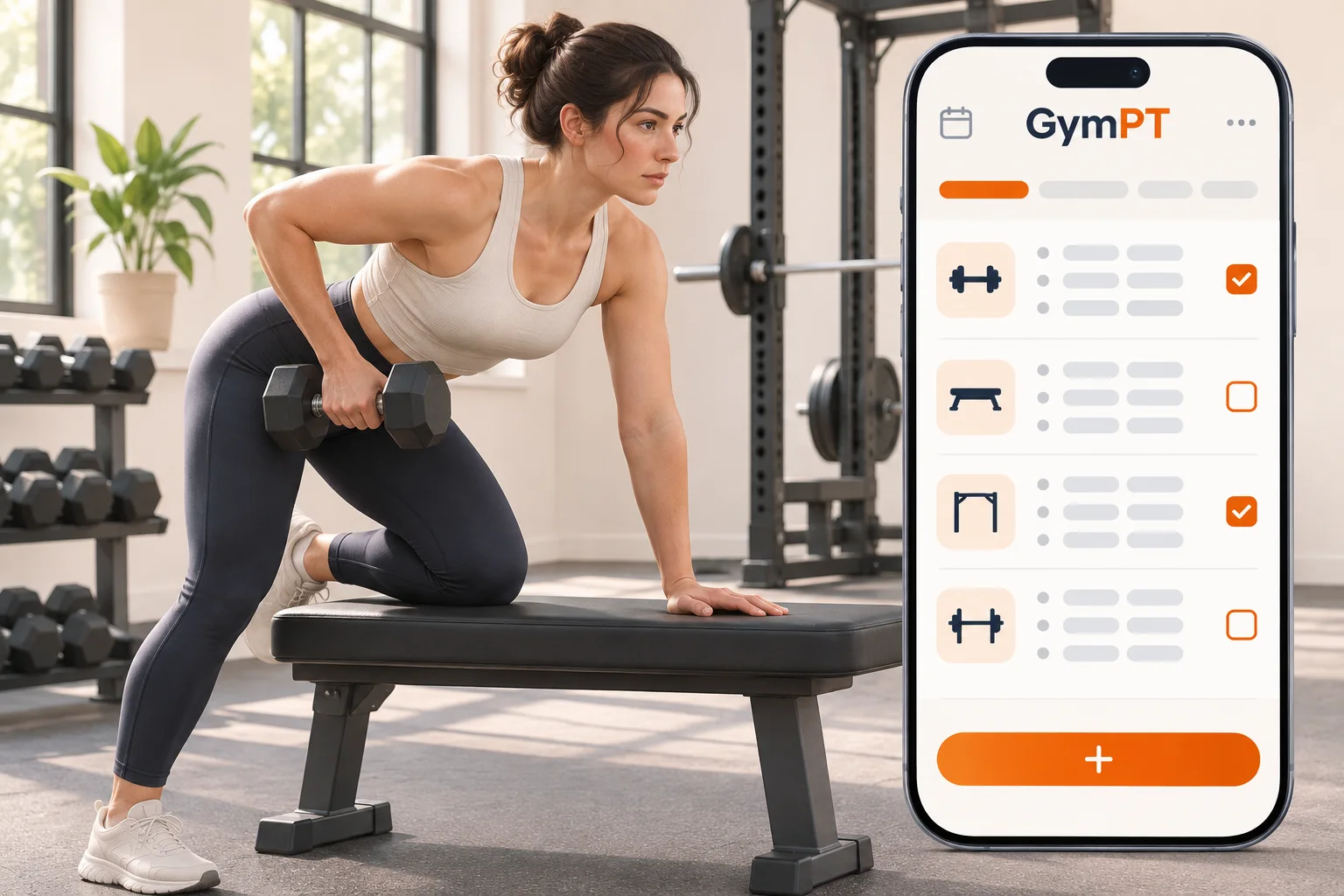
A 2 day upper lower workout plan can suit a busy week when you can consistently make time for two strength sessions. One session focuses on your upper body; the other focuses on your lower body. The trade-off is worth understanding: with just those two workouts, each area gets one main training day per week. If you want to train each major muscle group more often, a two-day full-body plan may be a better fit.
Below is a practical template, options for different experience levels, and a simple way to progress. Treat the exercises as a starting point, not a requirement to lift a particular weight or use a particular machine.
What does a 2 day upper lower split mean?
In a two-session upper-lower split, one workout trains movements for the chest, back, shoulders, and arms; the other emphasizes the legs and hips, with some core work. For example, you might train upper body on Tuesday and lower body on Friday. That gives you several days between sessions and leaves other days available for walking, cardio, sport, or rest.
It is different from a four-day upper-lower routine, which usually includes two upper-body and two lower-body workouts each week. If you only have two training days, avoid treating the two-day version as though it gives every muscle two weekly sessions. The best schedule is one you can follow and recover from.
Sample two-day upper-lower workout plan
Start each workout with a few minutes of easy movement and lighter practice sets for the first exercises. Choose loads that let you use controlled technique and finish most sets with a little more effort still available. Rest long enough to prepare for the next set; take more time after demanding compound movements than after smaller accessory exercises.
Day 1: Upper body
- Horizontal press: dumbbell bench press or push-up — 2–3 sets of 6–12 reps.
- Horizontal pull: seated cable row or one-arm dumbbell row — 2–3 sets of 8–12 reps.
- Vertical press: dumbbell shoulder press or a comfortable machine press — 2 sets of 8–12 reps.
- Vertical pull: lat pulldown or assisted pull-up — 2–3 sets of 8–12 reps.
- Optional arm work: curl and triceps extension variations — 1–2 sets of 10–15 reps each.
Alternate a press and a pull if that helps you manage time, but keep the sets controlled. You can skip the optional arm work when time is short; the pressing and pulling exercises already involve the arms.
Day 2: Lower body
- Squat pattern: goblet squat, leg press, or a squat variation you can perform comfortably — 2–3 sets of 6–12 reps.
- Hip hinge: Romanian deadlift with dumbbells or a suitable machine variation — 2–3 sets of 8–12 reps.
- Single-leg pattern: split squat, step-up, or supported reverse lunge — 1–2 sets of 8–10 reps per side.
- Hamstring or glute accessory: leg curl or glute bridge — 2 sets of 10–15 reps.
- Core exercise: dead bug, plank, or cable anti-rotation press — 2 controlled sets.
Choose a single-leg exercise only if it suits your current skill and balance. If it feels awkward, use a stable alternative and focus on steady, repeatable reps.
Adjust the plan to your experience
If you are new or returning after a break
Begin with two sets for most exercises and use a comfortable range of motion. You do not need to make every set maximal or add every optional movement. For the first few weeks, prioritize learning the exercises, recording what you did, and showing up on both planned days. If a movement is unfamiliar, ask a qualified trainer to check your setup and technique.
If you already train regularly
You can start nearer the upper end of the set ranges, provided the session still fits your time and recovery. However, this split gives each region one dedicated workout each week. If building strength or muscle is a priority and your schedule allows another session, consider whether a three-day full-body plan or a four-day upper-lower schedule is a better match. Compare the options in our three-day upper, lower, and full-body plan and five-day upper-lower split guide.
Recovery and weekly scheduling
Place the sessions on nonconsecutive days—for example, Monday and Thursday, or Tuesday and Saturday. You do not have to follow a specific weekday pattern; leave enough space that you can approach the next workout feeling ready to train. A rest day does not mean you must avoid all movement. Easy activity can fit between sessions if it works for you and does not leave you too tired for lifting.
Adults are generally advised to include muscle-strengthening activity for all major muscle groups on at least two days each week. This plan divides those two sessions by body region, rather than working every major group in each session. Keep that distinction in mind when choosing your plan. The beginner workout split guide can help if you are still deciding how to organize your week.
Pay attention to how the plan fits your real life: workout duration, energy, exercise comfort, and whether you can repeat the schedule. If a session regularly runs too long, remove an optional accessory exercise before rushing through the main lifts. If recovery is consistently difficult, reduce the number of sets or reassess how demanding the sessions are.
How to progress without guessing
Use a simple rep-range progression. Suppose an exercise is programmed for 2–3 sets of 8–12 reps. Start with a load you can control for the lower part of that range. Across later workouts, try to add a rep here or there while keeping your form consistent. Once you can complete the top of the range for all planned sets comfortably, increase the load by a small amount next time and build the reps back up.
- Change one thing at a time: add reps or a small amount of weight before adding several extra exercises.
- Keep a record: note the exercise, load, reps, sets, and any brief training notes that help you choose next time.
- Repeat before revising: a workout does not need a new exercise every week. Give a workable plan time to become familiar.
- Scale when needed: use a lighter load, a simpler variation, or fewer sets if you cannot maintain controlled reps.
For a shorter session, our 40-minute two-session workout plan offers another way to organize limited training time.
Make the plan yours
Keep the template only if it matches your equipment, experience, preferences, and available time. You can swap an exercise for a comparable movement you know how to perform, while keeping a mix of presses, pulls, squatting, and hinging patterns. If you have an injury, persistent pain, or a health concern that affects exercise, seek guidance from an appropriately qualified professional rather than using a general workout template as personal medical advice.
GymPT lets members build a manual program and save training records with a free account; manual planning does not require AI credits. You can also request optional AI assistance or review a program proposal from your personal trainer and decide whether to save and use it. Share only the programs, workout records, and notes you want your trainer to review. Optional AI features may have separate credit or eligibility requirements displayed before use.
The goal of a two-day upper-lower split is not to make every session perfect. It is to choose two manageable workouts, space them through the week, record what you do, and make small adjustments when your experience calls for them.